Thunderbolt 4 Support Arrives on Windows 98 SE: What This Means for Retro Computing Fans
An AI-assisted driver brings high-speed Thunderbolt connectivity to 25-year-old Windows systems, delighting retro computing enthusiasts.
 By Ava Herrera
Updated October 20, 2026
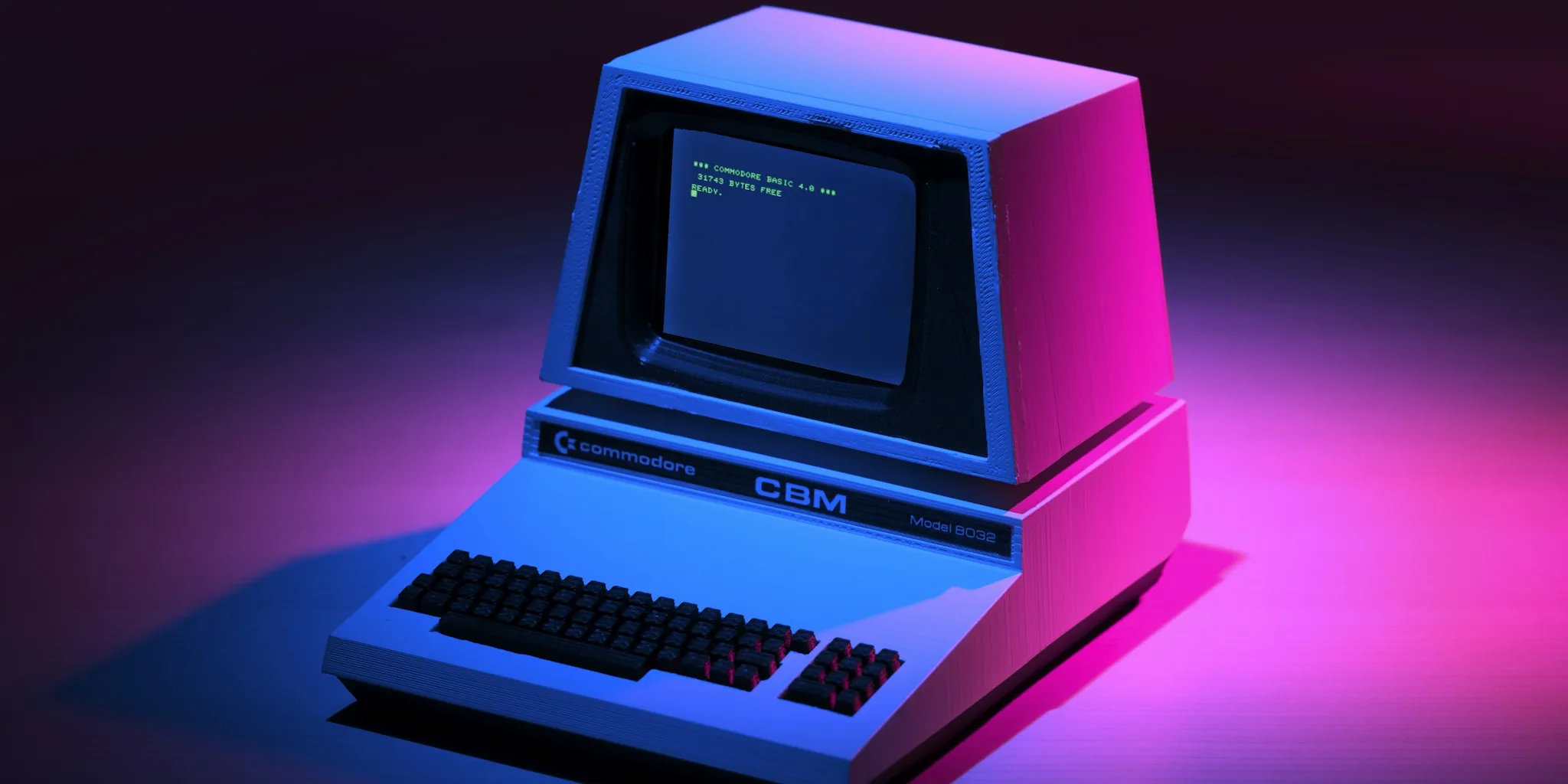
In a surprising development that showcases the intersection of artificial intelligence and legacy computing, a developer named Yeo Kheng Meng has successfully created a driver enabling Thunderbolt 4 and USB 3.x support on decades-old Windows operating systems, including Windows 98 SE, ME, 2000, XP, Vista, and 7. The project was developed using AI-assisted coding techniques, marking a notable example of how machine learning can solve problems that traditional development approaches might not address.
Why This Matters for Retro Computing Enthusiasts
While the number of people actively using Windows 98 SE remains vanishingly small in overall market share statistics, a dedicated community of retro computing enthusiasts continues to maintain and use legacy systems. These users preserve older hardware and software for historical, educational, and nostalgic reasons. The ability to connect modern peripherals like high-speed storage devices and docks to these machines opens up practical possibilities that were previously impossible.
This development is particularly relevant for those interested in modern Thunderbolt connectivity solutions. Though traditional users won’t be running Windows 98, understanding how these protocols work across different systems helps illuminate the broader landscape of peripheral compatibility.
The Role of AI in Closing the Development Gap
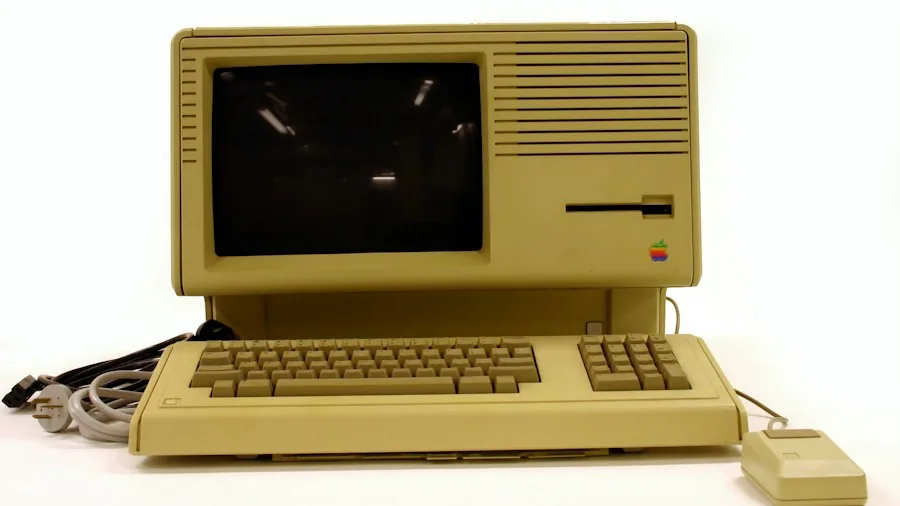
Microsoft and other large software companies have understandably moved away from supporting operating systems released in the late 1990s and early 2000s. Dedicating human programming resources to legacy systems that represent a minuscule fraction of active users is simply not a business priority. However, AI coding tools operate under different constraints. They can generate functional code for specialized use cases without requiring the same resource commitments that traditional development demands.
This approach, sometimes called vibe coding, has faced criticism in mainstream developer circles as potentially representing a shortcut or less rigorous methodology. However, the reality is more nuanced. Many projects that don’t justify dedicated human programmer attention can still benefit users if an automated solution becomes viable. The Thunderbolt driver for legacy Windows versions exemplifies this principle perfectly.
Expanding Access Beyond Professional Developers
Beyond the specific application to retro computing, this project highlights a broader potential for AI-assisted coding. Creative individuals with ideas but limited programming expertise can now explore turning those concepts into working solutions. Rather than learning programming from scratch or abandoning projects entirely, developers can collaborate with AI tools to prototype and refine their ideas while gaining knowledge about the development process itself.
For those working with modern systems, the importance of proper driver support becomes apparent when considering how many potential use cases depend on it. Anyone evaluating external storage solutions for backup or photography workflows relies on robust driver support to ensure their peripherals function correctly.
The Broader Implications for Hardware Compatibility
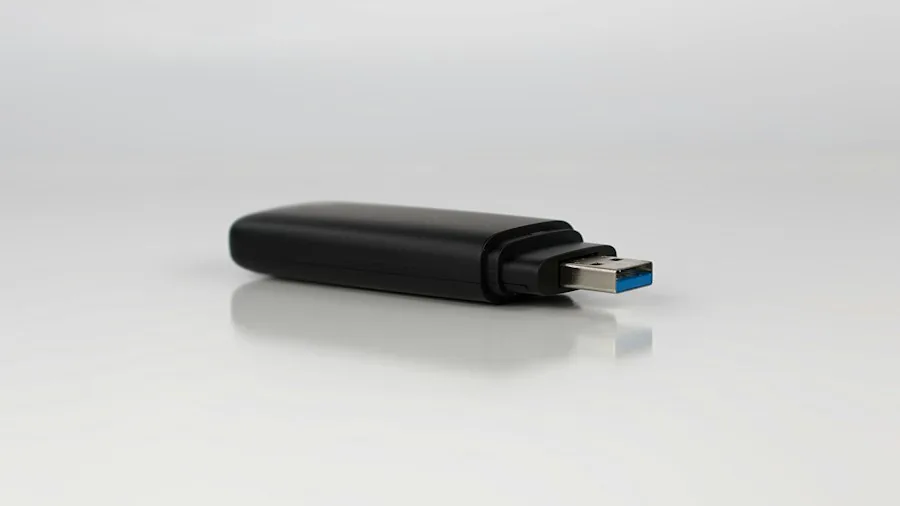
This development raises important questions about long-term hardware support and the preservation of computing history. While everyday users have no practical reason to connect Thunderbolt devices to Windows 98, the principle matters. As computing history continues to be archived and studied, maintaining functional bridges between old and new technology becomes increasingly valuable for museums, educational institutions, and historians.
The successful implementation of this driver also demonstrates that AI tools have become sophisticated enough to handle specialized, niche technical challenges. This capability may open doors to solving other legacy compatibility problems that currently seem impractical from a business standpoint. It suggests that the gap between what seems feasible and what remains possible is narrowing.
What Shoppers Should Take Away
For modern hardware buyers, this story reinforces the importance of choosing products with strong, long-term driver support. While major operating systems receive consistent updates and backing, niche or abandoned platforms offer no such guarantee. When purchasing Thunderbolt devices, SSDs, docks, or other connectivity-dependent hardware, ensure you’re using current, actively supported operating systems.
The emergence of AI-assisted solutions for legacy systems also suggests that future compatibility challenges may be addressed more creatively than traditional approaches would allow. As technology continues evolving at an accelerating pace, having alternative pathways to solve unusual problems could prove increasingly valuable.
Ultimately, this project represents both a technical achievement for retro computing enthusiasts and a demonstration of AI’s practical utility in solving real, if niche, problems. It shows that innovation isn’t reserved only for cutting-edge development and that legacy systems still deserve attention from creative developers and engineers.
About the author
Ava is REMOVU's laptop writer, balancing speed, battery life, and build quality against price across the whole range. She helps readers find the sweet spot as each new chip shifts what a dollar buys.