RAM Prices Jump 90 Percent: What Buyers Should Know About Laptop Memory Costs in 2026
Memory costs have exploded. Should you pay the upgrade, or wait? Here's what shoppers need to know.
 By Ava Herrera
Updated October 20, 2026

Laptop RAM prices have reached unprecedented levels in early 2026, with memory suppliers hiking costs by 90 to 95 percent in the first quarter alone. This spike is reshaping how manufacturers build and price their machines, and consumers are paying the price in difficult choices at checkout. Understanding what’s driving these increases and how they affect your purchase decisions is essential before buying your next laptop.
Why Memory Costs Exploded
The root cause of skyrocketing RAM prices is clear: artificial intelligence data centers are consuming vast quantities of memory chips. Samsung reported that memory alone accounts for roughly 110 trillion won (around $80 billion) of its quarterly operating profit, meaning other divisions are struggling. Micron took the dramatic step of shutting down Crucial, its consumer RAM and SSD brand, to redirect inventory toward major data center customers rather than individual consumers.
Memory and storage now represent 68 percent of a mainstream laptop’s manufacturing cost, according to industry analyst TrendForce. This shift fundamentally changes the economics of laptop production. When component costs surge this dramatically, manufacturers face a choice: raise prices, cut specifications, or absorb losses. Most are choosing to cut specifications.
The Return of Underpowered Base Models
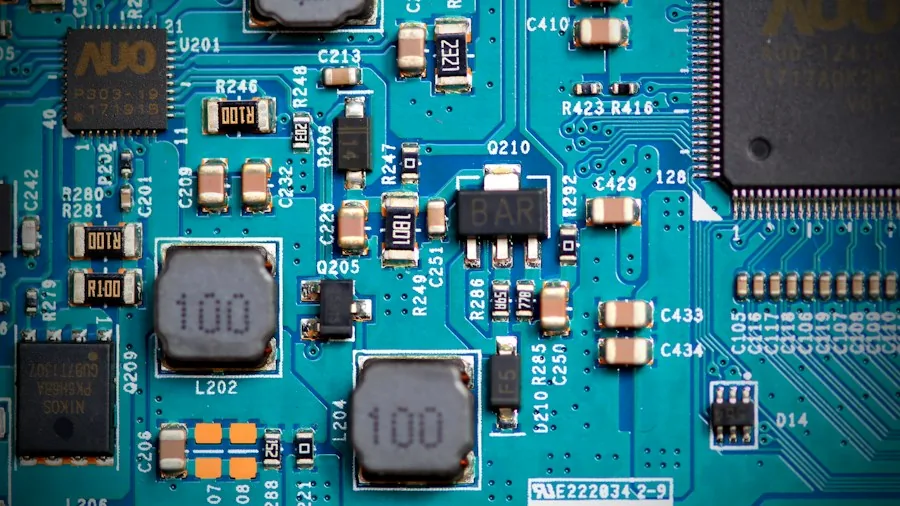
Just two years ago, 16GB of RAM had become the unofficial standard for new laptops. Microsoft’s Copilot+ PC initiative established 16GB as a minimum in May 2024, and Apple doubled the MacBook Air’s base memory from 8GB to 16GB that October without raising the $999 price. It seemed the era of inadequate laptop memory was over.
In 2026, that progress has reversed. Dell brought back its XPS 13 with an 8GB base configuration, and Apple released the MacBook Neo as its first new Mac with less than 16GB in years. Manufacturers are using lower-spec models to maintain familiar price points like $599 and $799, even though component costs have surged. A Dell analyst told Consumer Reports this strategy would help brands “slide in” reduced-spec machines to preserve pricing psychology.
Why 8GB Is Not Enough Anymore
While Windows 11 technically requires only 4GB, real-world performance tells a different story. When the base XPS 13 shipped, independent reviews revealed that 80 percent of its 8GB memory was already consumed by Windows and background processes immediately after startup. Opening a web browser and loading multiple tabs pushed that figure to 95 percent usage, leaving almost nothing for everyday tasks. Users reported minor hiccups when scrolling, switching windows, or running normal applications.
By contrast, the 16GB midrange XPS 13 configuration performed roughly 30 percent better in performance benchmarks and delivered approximately 1 hour and 44 minutes of additional battery life in comparable testing scenarios. That performance gap justifies the upgrade for anyone beyond the most casual user.
The processor configuration compounds the memory bottleneck. Dell’s budget-tier XPS 13 uses Intel’s Wildcat Lake chip with a single memory channel. Pricier Intel Panther Lake processors include two memory channels, creating a wider pathway between the CPU, integrated graphics, and RAM. A single channel with 8GB creates a severe constraint that no amount of processor speed can overcome.
The Cost of Upgrading

Dell charges $200 to upgrade the XPS 13 from 8GB to 16GB, bringing the total to $899 if you maintain the base 256GB storage. That’s a substantial premium for an additional 8GB of memory, but you only make this decision once. Most users should strongly consider paying it.
Apple offers less flexibility. The cheapest MacBook with 16GB is now the M5 MacBook Air at $1,299, which costs $300 more than a comparable 16GB MacBook Air from late 2024. However, Apple’s newer model includes double the baseline storage, partially offsetting the price increase.
Some manufacturers are offering workarounds. MSI included DDR4 memory options on its Katana 15 gaming laptop in August, allowing buyers to save money upfront. Framework encourages DIY Edition customers to supply their own DDR5 RAM, though the company raised its own memory prices by 50 percent. Laptops with upgradeable memory slots let you start small and add more when prices eventually decline.
What Comes Next
The pricing outlook remains grim. Acer’s CEO expects PC prices to rise another 5 to 20 percent before year-end and reach their peak in the first half of 2027. Some analysts believe memory makers are exaggerating shortage duration to protect profit margins. TrendForce predicts manufacturers will struggle simultaneously to maintain prices, specifications, and profitability through 2027.
Even optimistic forecasts agree that laptops will get more expensive before they get cheaper. An 8GB laptop purchased today will still have 8GB when prices finally normalize, making the upgrade decision even more critical now. Buying a 16GB machine today, or considering previous generation models while stock remains available, represents better long-term value than settling for insufficient memory.
About the author
Ava is REMOVU's laptop writer, balancing speed, battery life, and build quality against price across the whole range. She helps readers find the sweet spot as each new chip shifts what a dollar buys.