Apple Expands US Supply Chain for iPhone 18 Pro and iPhone Duo: What Shoppers Need to Know
Nearly 100 iPhone components now come from US factories in a major supply chain shift.
 By Eleanor Garcia
Updated October 20, 2026
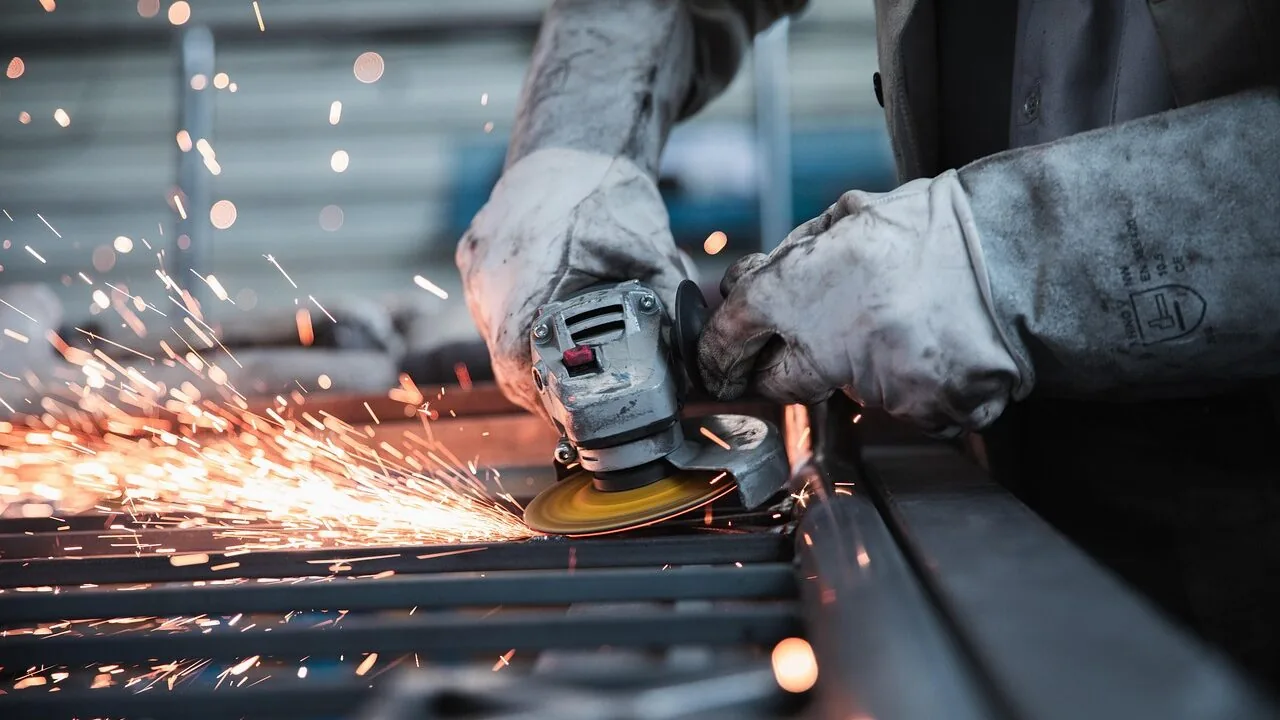
Apple announced a significant expansion of its American manufacturing footprint, revealing that nearly 100 components across the iPhone 18 Pro and iPhone Duo are now produced by US suppliers. Through its American Manufacturing Program, the tech giant is deepening partnerships with domestic manufacturers while increasing investment in advanced domestic production capabilities.
Why Apple is Building a Stronger US Supply Chain
The company’s shift reflects a broader commitment to reducing dependence on overseas production for critical components. Apple is investing up to $100 million over the next three years to support these domestic partnerships, signaling confidence in American manufacturing for high-precision electronics. This move supports US employment across more than a dozen states while positioning Apple to respond faster to market demands.
Sabih Khan, Apple’s Chief Operating Officer, emphasized that American innovation is central to the company’s newest devices. The partnerships include titanium sourcing for structural materials, advanced camera components, and specialty glass production all taking place within US borders.
What Components Are Being Made in America
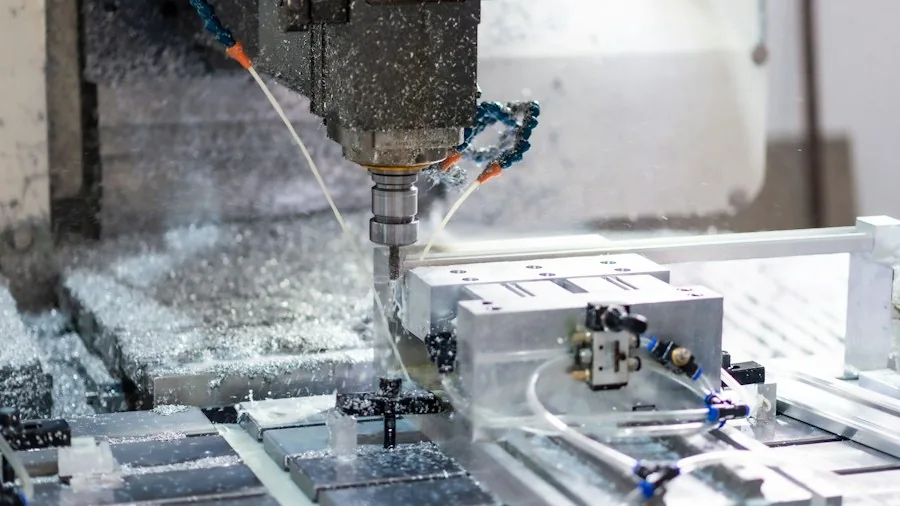
Perryman Company, a Pennsylvania-based titanium producer, is now supplying grade 5 titanium for the iPhone Duo’s enclosure. This partnership marks a major step in sourcing premium structural materials domestically. Meanwhile, Qnity Electronics, headquartered in Delaware and recently expanded through the American Manufacturing Program, is producing advanced films essential to the iPhone 18 Pro’s variable aperture camera system, which Apple describes as its most advanced camera technology to date.
Beyond these two highlighted partners, Apple is working with five additional major suppliers. Broadcom is expanding its Fort Collins, Colorado facility under a $1.5 billion investment to produce advanced radio frequency components, with a commitment to manufacture more than 15 billion chips for Apple products. This multiyear agreement strengthens the region’s tech manufacturing ecosystem.
Corning, an Apple partner since the original iPhone launched in 2007, continues producing specialty glass at its Harrodsburg, Kentucky facility. By the end of 2026, all cover glass for iPhone models, including iPhone Duo, and Apple Watch sold worldwide will be manufactured at this location. The production includes Ceramic Shield, Apple’s proprietary protective technology.
Advanced Technology Made Domestically
Coherent operates a Sherman, Texas facility where vertical-cavity surface-emitting laser technology is manufactured for Apple devices. This laser technology powers Face ID and similar identification features across iPhone and iPad, including the redesigned Dynamic Island featured on iPhone 18 Pro models. Smart technology continues evolving as manufacturers invest in precision domestic production.
TSMC’s Arizona fabrication plant has become increasingly vital to Apple’s supply strategy, producing more than 100 million advanced chips for Apple in 2026 alone. The facility supports production of chips used across iPhone, iPad, and Apple Watch. Construction on TSMC’s north campus is underway as the partnership continues expanding.
Amkor Technology broke ground on its first high-volume packaging and test facility in Peoria, Arizona during 2025, with shell construction beginning in 2026. This facility is expected to employ more than 3,500 local workers across its first two phases, with Apple confirmed as one of the facility’s earliest customers. The Peoria expansion demonstrates how domestic manufacturing creates ripple effects throughout regional economies.
What This Means for Shoppers
The shift to domestic sourcing affects product availability, pricing, and quality assurance timelines. When manufacturers operate closer to Apple’s main design and assembly hubs, quality control cycles shorten and product updates can reach consumers more quickly. Additionally, US-based production typically follows stricter environmental and labor standards compared to some overseas alternatives.
Apple is committing all direct suppliers to power their entire manufacturing operations with renewable energy by decade’s end. This sustainability mandate applies across all US manufacturing partners, meaning the energy footprint of these domestic components will continue declining. The company is also increasing the use of recycled materials throughout its product lines.
For consumers considering iPhone 18 Pro or iPhone Duo purchases, this domestic manufacturing expansion offers assurance about supply chain transparency and ethical production practices. Data storage and security standards benefit from domestic oversight as well.
The Bigger Picture for Tech Manufacturing
Apple’s American Manufacturing Program demonstrates how major technology firms can maintain innovation leadership while building domestic production capacity. The program signals confidence that US-based factories can produce components meeting the company’s exacting standards for advanced devices.
This expansion also supports workforce development in regions that have historically struggled with manufacturing job losses. Training and employment opportunities across Pennsylvania, Colorado, Kentucky, Texas, Arizona, and Delaware will benefit from these long-term commitments.
The partnership between Apple and these US suppliers shows that premium consumer electronics can be manufactured domestically without sacrificing performance or design sophistication. As these facilities scale production and incorporate newer technologies, the cost premiums associated with domestic manufacturing may decrease over time.
For consumers tracking supply chain news and sustainability efforts, Apple’s expansion of domestic component sourcing represents meaningful progress toward reshoring critical manufacturing capabilities. The combination of advanced technology production, environmental commitments, and substantial workforce investment reflects a comprehensive approach to building resilient supply chains that benefit both producers and buyers.
About the author
Eleanor covers smartphones for REMOVU, balancing cameras, battery life, and software support against price. She helps readers find the best value as the field shifts with every release.