Google Universal Cart Rolling Out to Search and Chrome: What Shoppers Need to Know
Google's new shopping hub lets you save items from multiple retailers and track prices, now available in Search, Chrome, and Gemini.
 By Ava Herrera
Updated October 16, 2026
By Ava Herrera
Updated October 16, 2026
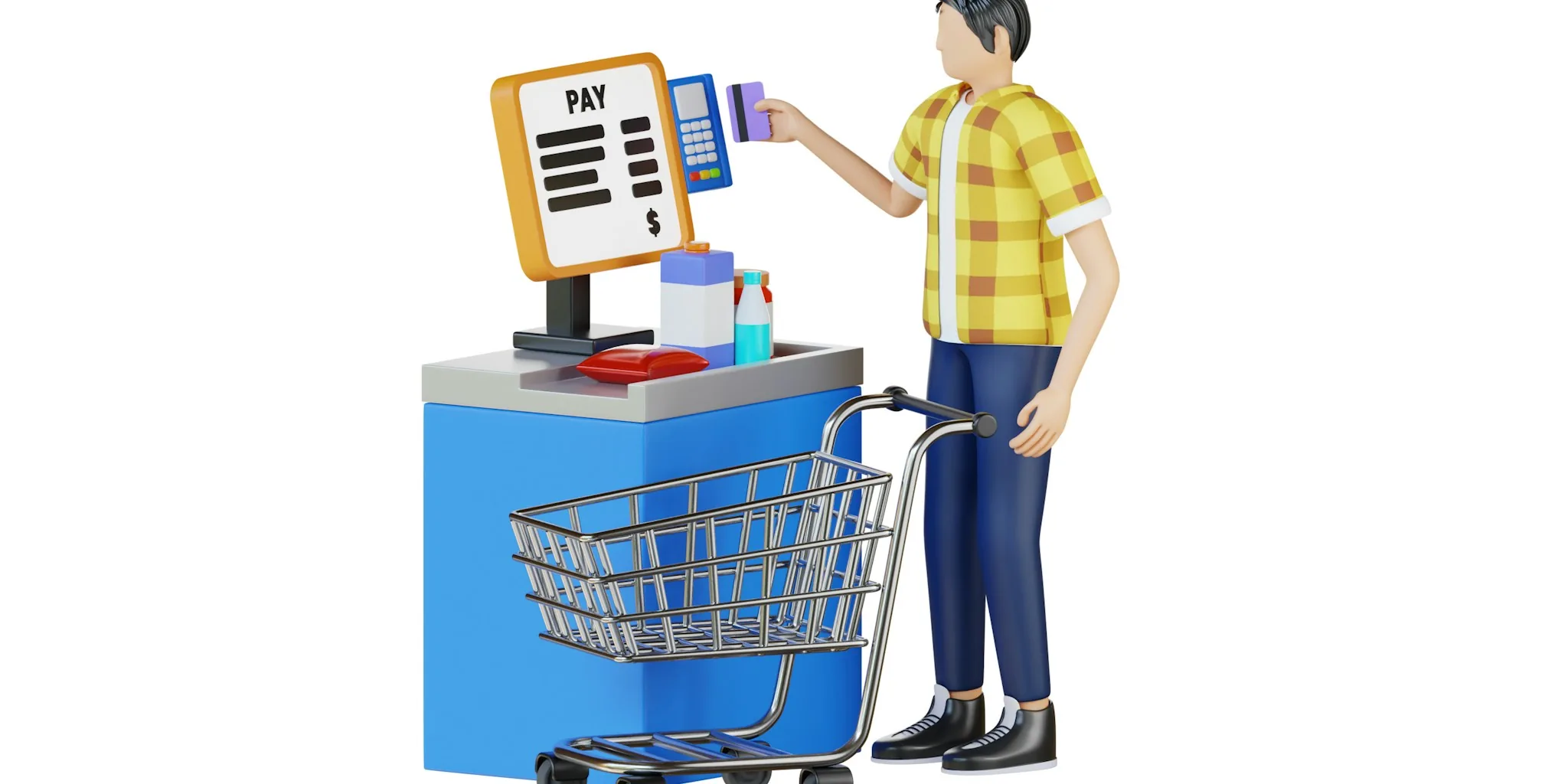
Google is rolling out a new shopping feature that fundamentally changes how purchases work across its platforms. Starting this week, the company introduced Universal Cart to Search, Chrome, and the Gemini app in the United States. This marks a significant shift in how Google integrates shopping directly into its core services, making checkout and cart management available in places most users wouldn’t expect to find them.
What Is Google Universal Cart?
Universal Cart functions as a centralized shopping hub that lives within Google’s ecosystem. The company originally previewed this capability at its May 2026 developer conference, positioning it as a unified platform to manage purchases across multiple retailers. The cart lets you collect items from different stores in one place, monitor price changes, receive notifications when discounts appear, and track your orders all without leaving Google’s interface.
The feature draws on Google’s Universal Commerce Protocol, a backend system designed to streamline transactions and make checkout nearly frictionless. Rather than bouncing between individual retailer websites, you can save products, compare options, and ultimately purchase directly through Google.
Where You’ll Find the Universal Cart
On desktop, a shopping cart icon appears in the top-right corner of Google.com and throughout Search results. Clicking this icon slides open a panel with two tabs: one for your active cart and another showing your order history. The same cart icon also appears on Chrome’s New Tab Page, giving you instant access to your shopping activity.
Mobile users will see the cart icon in the Google app for Android, positioned alongside the profile menu. It’s equally visible in AI Mode, Google’s artificial intelligence-powered search experience. Within the Gemini app, the cart function lives in your account settings menu.
Features That Matter for Your Shopping
The Universal Cart automatically tracks availability across retailers, so you’ll know immediately if an item goes out of stock or comes back in. Price monitoring is built in, meaning you receive alerts whenever the cost of a saved product drops. This passive tracking eliminates the need to manually check prices or set reminders.
When you’re ready to complete a purchase, the cart displays applicable promotional codes and suggests which payment method stored in your Google Wallet will deliver the best rewards or cashback. Major retailers including Nike, Target, Walmart, and Shopify-powered stores support direct checkout from within the Google interface, reducing the steps between deciding to buy and completing your transaction.
Implications for Everyday Shoppers
This rollout represents a consolidation of shopping experiences. Previously, if you discovered a product through Google Search and wanted to buy it later, you’d bookmark it, add it to a wishlist on the retailer’s site, or rely on your browser history. Universal Cart centralizes this behavior and adds intelligence around pricing and availability.
The prominence of the cart icon across Google’s properties suggests the company views shopping as central to its future, even when you’re not actively looking to purchase. This integration could reduce friction for impulse buys or planned purchases, but it also means shopping feels more omnipresent when you use Google Search for completely unrelated topics.
For consumers who frequently compare prices across retailers, the Universal Cart offers genuine convenience. Rather than opening multiple tabs and mentally tracking which store has the best deal, you can save items from Nike, Target, Walmart, and others simultaneously and make an informed decision. Similarly, tools that aggregate information across sources have become increasingly valuable for shoppers making complex purchasing decisions.
Privacy and Payment Considerations

Using Universal Cart means Google will track your shopping activity across retailers, noting what you view, save, and purchase. This data helps personalize recommendations and fuel targeted advertising, just as it does with regular search behavior. Users concerned about shopping privacy may prefer traditional retailer checkouts where data stays within individual company systems.
Payment information flows through Google Wallet, Google’s digital payment service. Payment ecosystems have grown increasingly integrated across tech services, making this a natural extension of Google’s existing infrastructure.
What This Means Going Forward
Universal Cart’s rollout signals Google’s intention to become a primary commerce destination rather than simply a tool for finding products. The company is gradually removing friction points that send users to external websites, keeping shopping behavior within its platform.
For retailers, this creates both opportunity and dependency. Featured placement in Universal Cart could drive sales, but it also tightens Google’s control over the shopping experience. Smaller retailers using Shopify or other platforms gain access to Google’s audience without building separate infrastructure, though they’re subject to Google’s terms.
Shoppers should explore the Universal Cart to determine if the convenience and price-monitoring features align with their purchasing habits. As shopping tools become more integrated into daily tech experiences, understanding these features helps you make informed decisions about which platforms to trust with your purchasing data and financial information.
The Universal Cart is available now in the United States across Google Search, Chrome, and Gemini, with broader or updated availability likely coming in the coming months.
About the author
Ava is REMOVU's laptop writer, balancing speed, battery life, and build quality against price across the whole range. She helps readers find the sweet spot as each new chip shifts what a dollar buys.