Community Ports Bring Original Halo to PlayStation 5 and Beyond: What Shoppers Need to Know
Community ports bring the classic Halo to PS5, Android, and browsers using AI-powered tools.
 By Serenity Richards
Updated October 1, 2026
By Serenity Richards
Updated October 1, 2026
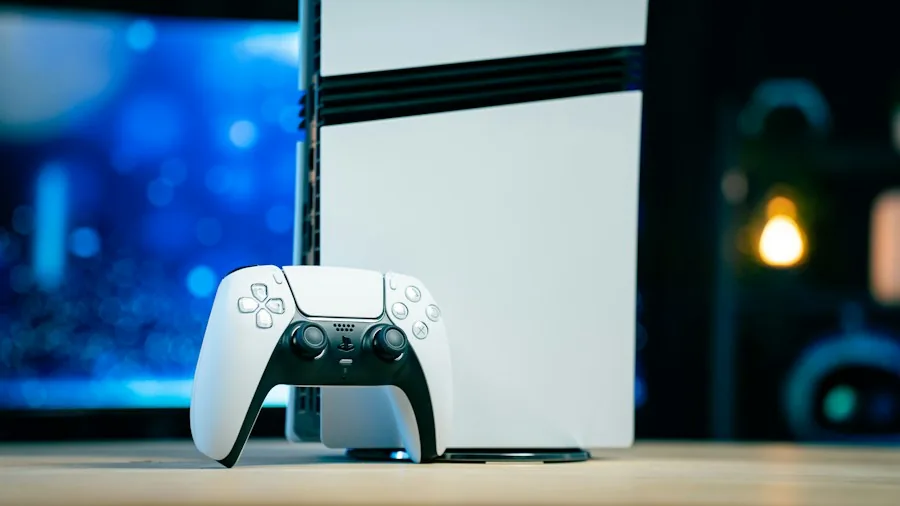
The gaming community has achieved something remarkable: the original Halo: Combat Evolved is now playable on devices far beyond its original hardware limitations. Thanks to collaborative efforts driven by advanced AI tools and dedicated modders, players can now experience the classic title on PlayStation 5, Android devices, web browsers, Linux systems, and even handheld consoles. This unexpected development raises important questions about game preservation, emulation, and what it means for console owners looking to expand their gaming libraries.
A New Era of Game Porting
What started as a community passion project has evolved into something substantial. Developers have successfully ported the original Halo to major gaming platforms including PS4, PS5, and mobile operating systems, with both campaign and multiplayer modes fully functional. The scope of these projects demonstrates the technical capability now available to independent creators when armed with modern development tools.
For PlayStation owners specifically, accessing these ports requires a jailbroken device, a process that has become considerably more straightforward than in previous years. The availability of such ports may interest gamers who previously owned only PlayStation hardware and missed out on the original Halo experience when it launched exclusively on Xbox in 2001.
AI and Modding Tools Transform Game Development
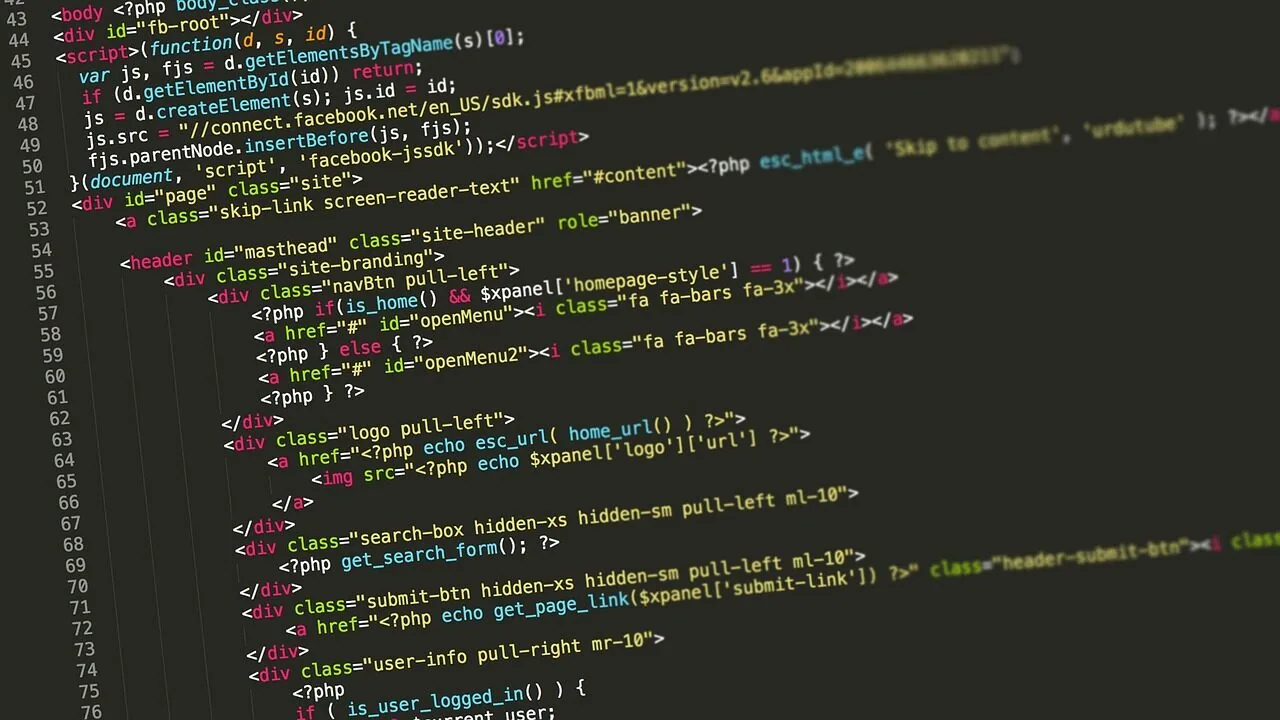
The acceleration of these porting efforts stems largely from artificial intelligence advancements. Recent releases of powerful AI coding assistants have dramatically lowered the barrier to entry for complex game modification and reverse engineering work. The original Halo was recently decompiled using AI technology, an achievement that has subsequently fueled an explosion of new modifications and adaptations of the game.
Beyond simple ports, the community is pushing boundaries further. New Halo 3 versions for PC are emerging, custom modes supporting up to 128 concurrent players are in development, and ports even exist for unexpected platforms like the Nintendo 3DS. These expansions show how AI tools have fundamentally changed what hobbyist developers can accomplish without official publisher support or traditional software engineering teams.
What This Means for Console Shoppers
From a consumer perspective, these developments create a complex landscape. Gamers invested in gaming ecosystems with specific hardware may now have alternative ways to access games previously locked to competing platforms. However, the legal and technical requirements surrounding jailbroken devices introduce complications that mainstream consumers should understand before pursuing these options.
The broader implication affects how people think about game ownership and platform exclusivity. When communities can successfully recreate and adapt games across different systems, it challenges traditional notions of console-exclusive titles. This shift could eventually influence how publishers approach game licensing and distribution strategies in future years.
Questions About the Long Term

While the technical achievements deserve recognition, industry observers raise important questions about sustainability and intellectual property considerations. As AI becomes increasingly capable of reverse engineering games and creating functional ports, publishers may face difficult decisions about how to protect their assets while communities push the boundaries of what is technically possible.
The phenomenon extends beyond Halo. Recent projects have achieved remarkable feats, including running complex games within other games and bringing older titles to platforms that would have seemed impossible years ago. Each accomplishment demonstrates rapidly advancing capabilities in automated code generation and game architecture analysis.
The Bigger Picture for Gamers
For shoppers evaluating which gaming platform to purchase, these developments suggest that hardware exclusivity may become less permanent over time. Games once locked to specific systems may eventually reach broader audiences through community efforts and technological advancement. This doesn’t eliminate the value proposition of official releases or official hardware, but it does create additional pathways for game discovery and access.
The conversation around these ports also highlights the importance of game preservation. When official servers shut down or publishers abandon older titles, community projects ensure that gaming history remains accessible. From this perspective, the work represents a form of digital preservation that benefits the entire gaming culture.
Whether you view these developments as positive innovation, concerning legal territory, or simply fascinating technical accomplishment depends largely on your perspective about game preservation, intellectual property, and community-driven development. What remains clear is that the gaming landscape continues to evolve in ways that challenge traditional boundaries between platforms and create new opportunities for players worldwide.
About the author
Serenity covers home game consoles for REMOVU, weighing performance, exclusive libraries, and the ecosystem each platform locks you into. She helps players pick the console that fits how and what they play.