HP OmniBook 5 Launch: What Shoppers Should Know About This MacBook Competitor
HP's $699.99 OmniBook 5 brings OLED screens and bold colors to compete with MacBook Neo.
 By Kylie Fields
Updated October 1, 2026
By Kylie Fields
Updated October 1, 2026
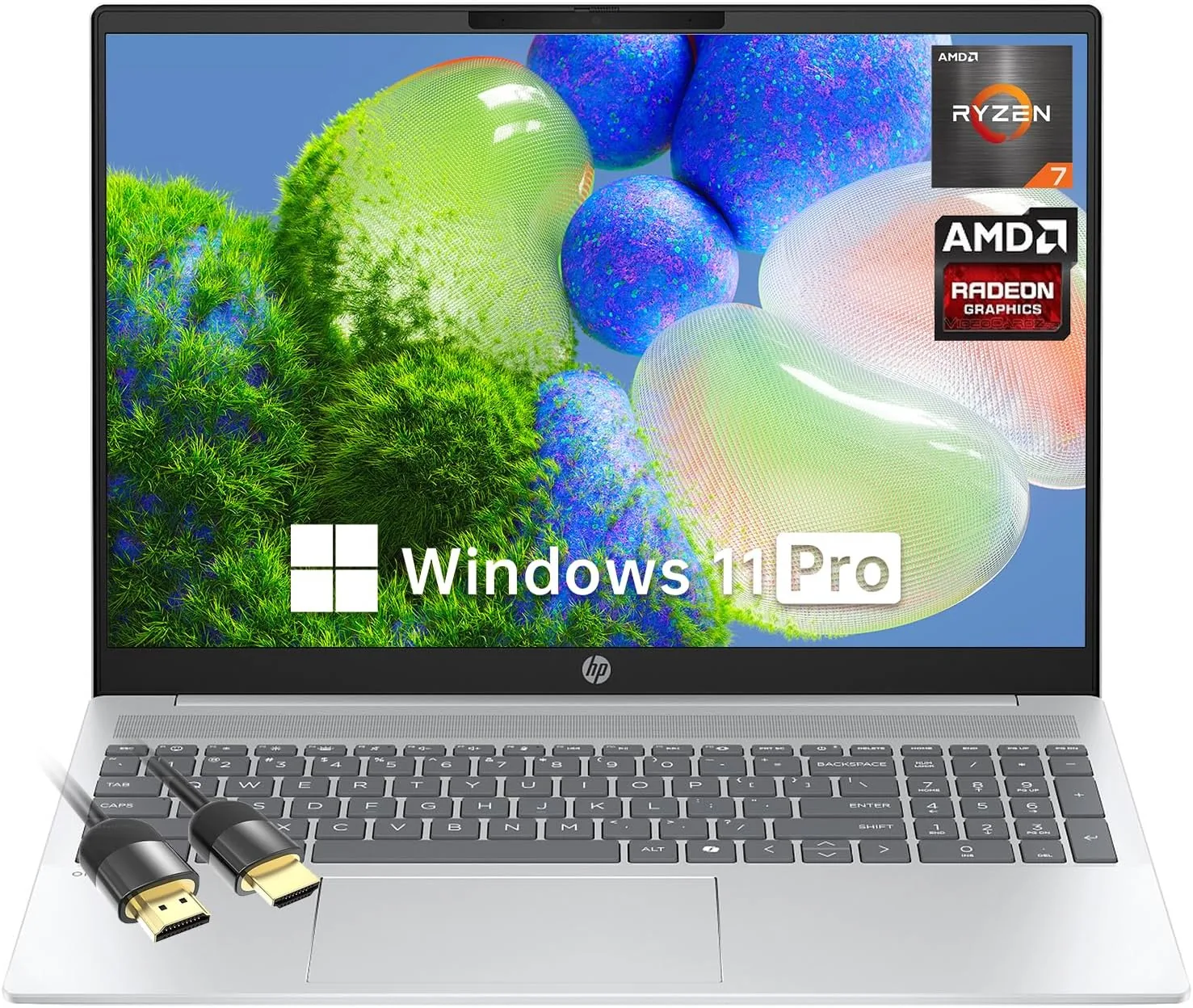
HP has officially entered the ultra-portable laptop race with the introduction of its OmniBook 5, a direct competitor to Apple’s MacBook Neo and Dell’s forthcoming 14S model. Starting at $699.99, the OmniBook 5 arrives with Intel’s latest Wildcat Lake processors and a feature set designed to appeal to budget-conscious buyers looking for premium build quality without the flagship price tag.
Design and Color Options
One of the most compelling aspects of HP’s new offering is its color selection. The OmniBook 5 launches in four distinct finishes: peony pink, starlit blue, smoke silver, and soft honeydew. This color-forward approach mirrors what laptop manufacturers like Lenovo and Dell have recently embraced, recognizing that consumers want devices that reflect their personal style. The chassis weighs just 2.56 pounds, making it lighter than Dell’s upcoming 14S model at 2.65 pounds and Acer’s Swift Air 14 at 2.62 pounds, though slightly heavier than the MacBook Neo and Dell XPS 13 due to its larger 14-inch display.
Display Technology Stands Out

What truly differentiates the OmniBook 5 from competing MacBook alternatives is HP’s inclusion of OLED screens across every configuration. At launch, the base models feature a 14-inch, 1920 x 1600 OLED touchscreen rated at 300 nits of brightness. While OLED technology typically excels at color accuracy and contrast, the 300-nit brightness rating is considerably dim for this screen type, which generally benefits from higher brightness levels. HP has planned a more advanced 2560 x 1600 OLED touch panel rated for 620 nits brightness, though this premium option won’t ship until March 2027.
Configuration and Storage Options
The entry-level configuration arrives with an Intel Core 5 320 processor, 8GB of LPDDR5-6400 RAM, and 256GB of PCIe Gen 4 SSD storage at that $699.99 starting price. RAM options include 8GB or 16GB at launch, with a 12GB tier planned for November 2026. Storage maxes out at 1TB, though the largest capacity option is also scheduled for the later November launch window. All RAM is soldered directly to the motherboard, meaning storage is the only component users can realistically upgrade down the road.
Battery Life and Charging
HP claims the OmniBook 5 delivers up to 42 hours of battery life, though this figure comes with an important caveat: it’s measured during local video playback rather than real-world productivity use. The system ships with a 60 WHr battery and includes a 65W USB Type-C GaN charger for relatively speedy refueling. For users who frequently work away from outlets, portable chargers may still prove valuable as supplementary power sources during extended trips.
Component Supply Reality
Several configuration gaps in HP’s launch timeline suggest the company has faced component availability challenges. The absence of the 12GB RAM option and 1TB storage tier at initial availability, combined with the delayed 2560 x 1600 OLED display, indicates that supply constraints continue to shape product rollout schedules across the industry. Consumers willing to wait may access better-equipped configurations, but those needing immediate purchases will face more limited options.
Market Context for Shoppers
The OmniBook 5 enters a crowded segment where manufacturers are racing to offer compelling alternatives to Apple’s MacBook lineup. This device sits in the price-to-performance sweet spot where an OLED screen at under $700 was previously uncommon. The Wildcat Lake chip brings current-generation computing power, though early reviews are expected as independent evaluations become available. Compared to accessories ecosystems developed around MacBook models, the OmniBook 5 may have fewer native solutions initially, though USB Type-C connectivity ensures broad compatibility.
What This Means for Buyers
If you prioritize color options and OLED display technology at an accessible price point, the OmniBook 5 warrants serious consideration. The 14-inch form factor with OLED at $699.99 represents genuine value, even with the 300-nit brightness limitation on launch models. However, patience may pay off: waiting until November could secure 12GB RAM and 1TB storage, while March 2027 brings the brighter OLED variant. The MacBook Neo remains lighter and may feel more premium, while Dell’s 14S will offer another credible alternative once it releases. For professionals and students evaluating affordable ultra-portable laptops without brand loyalty, HP’s latest entry deserves inclusion in your comparison process.
About the author
Kylie covers processors for REMOVU, balancing core count, clock speed, and platform cost against what readers actually run. She helps builders pick a CPU that fits their workload and budget.