6 Reasons to Stop Using Amazon and Google for Your Smart Home
Cloud outages, subscription fees, and closed ecosystems plague mainstream smart home platforms.
 By Ava Herrera
Updated August 28, 2026
By Ava Herrera
Updated August 28, 2026
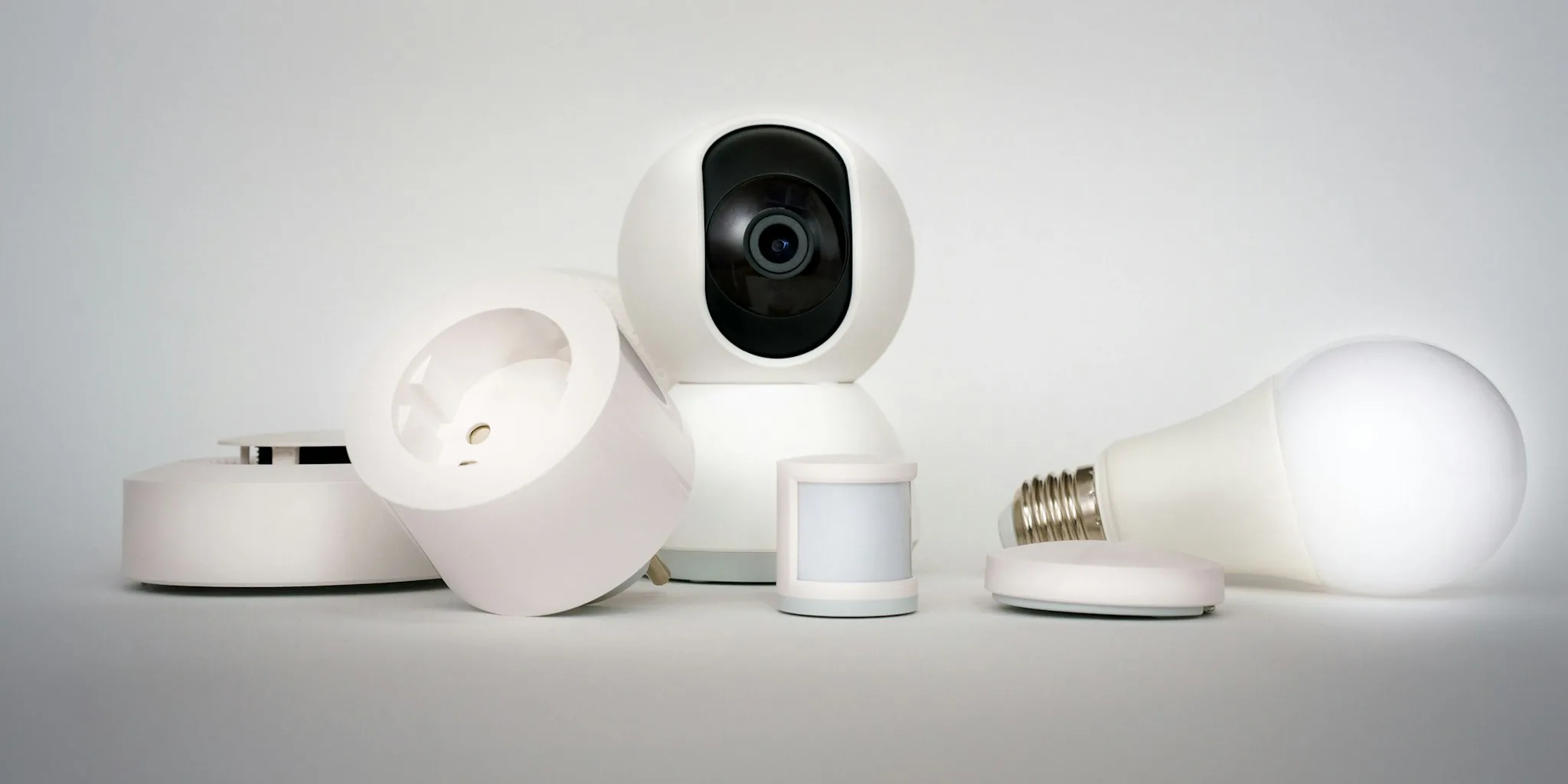
If you’re relying on Amazon or Google to power your smart home, it might be time to reconsider. While these tech giants excel at marketing an appealing vision of connected home automation, their platforms come with serious limitations that could frustrate you and drain your wallet. Understanding these drawbacks helps you make a smarter choice about how to build your ideal smart home ecosystem.
The Cloud Dependency Problem
Both Amazon and Google built their smart home ecosystems on heavy cloud dependence, which creates a critical vulnerability. When Amazon’s AWS infrastructure suffered a major outage in October 2025, the impact was immediate and widespread. Alexa became unresponsive, Ring video doorbells stopped functioning, and users lost all recorded footage during the outage because Ring devices lacked offline recording capabilities. This wasn’t an isolated incident but rather a demonstration of a fundamental architectural weakness.
Most automations, scenes, and device interactions on these platforms require constant internet connectivity to work properly. Some Echo hubs offer limited local control, but the majority of devices built for Amazon’s ecosystem simply won’t function without internet access. Your own home Wi-Fi outage creates the same problem. Google’s platform suffers from identical cloud dependency, though the company only confirmed work on an offline mode in mid-2024. If you value reliability and uptime, this architecture poses ongoing risk.
Closed Ecosystems Limit Your Options
Amazon and Google maintain tightly controlled, closed ecosystems that severely restrict which devices you can integrate. Google previously supported third-party smart speakers and displays, but has since abandoned that approach. This limitation forces you to buy within a narrow product selection, often paying premium prices for proprietary hardware.
Amazon and Google also frequently discontinue products, leaving owners without upgrade paths. Google killed both the first and second generation Nest Thermostats, frustrating loyal customers. These decisions reflect corporate priorities that don’t necessarily align with consumer satisfaction or long-term device support.
Hidden Subscription Costs Add Up
Beyond the initial hardware investment, expect ongoing subscription fees. Both platforms charge monthly or yearly rates for cloud video storage and analysis from your security cameras and video doorbells. Basic features require a paid subscription, meaning you’ll need to budget for recurring payments indefinitely. Over several years, these subscriptions represent significant cumulative costs.
Why Home Assistant Deserves Consideration
Home Assistant offers a compelling alternative as a free, open-source smart home platform. Unlike Amazon and Google, it runs on a local server inside your network with offline capability built in from the start. You maintain complete control over your data and automations continue functioning even during internet outages.
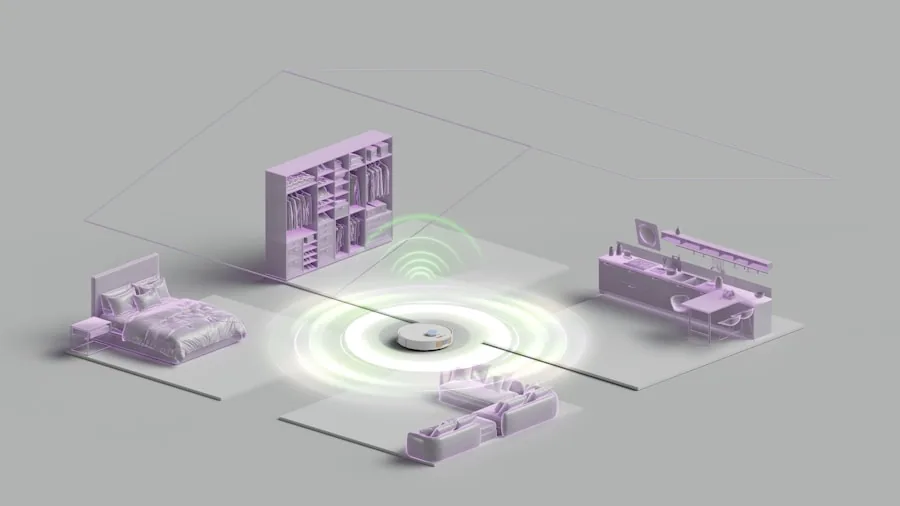
The platform supports multiple communication protocols including Thread, Zigbee, Z-Wave, and Bluetooth, allowing you to mix and match devices based on your budget and preferences rather than being forced into a single ecosystem. The community is thriving and actively develops solutions for common smart home challenges. Integration with complementary smart devices like robotic vacuums becomes seamless when you control everything locally.
Home Assistant Green, a pre-built hub from the team, offers a plug-and-play setup that doesn’t require technical installation skills. You can also repurpose an old computer as your server to evaluate whether Home Assistant suits your needs before committing significant resources. Add-ons like Scrypted and Frigate enable offline camera storage, eliminating the need for expensive cloud subscriptions. A VPN service like Tailscale provides secure remote access without paying for Home Assistant Cloud.
The trade-off is that Home Assistant works best if you enjoy tinkering with technology and treating your smart home as an engaging hobby. The learning curve is real, and ongoing maintenance requires some technical comfort. However, the flexibility and cost savings justify the effort for many users.
Other Viable Alternatives
If Home Assistant feels too technical, Apple’s HomeKit platform provides offline functionality that Amazon and Google lack. With HomeKit, your automations continue running and devices respond even without internet. If you subscribe to iCloud, HomeKit Secure Video lets you store camera footage in the cloud at no additional charge. The primary drawbacks are Apple’s closed ecosystem and the requirement to use iPhones and HomePods, plus relatively expensive hardware.
Platforms like Homey and Hubitat function as polished, proprietary alternatives to Home Assistant. Both support local offline operation and integrate numerous devices through Zigbee, Z-Wave, and Bluetooth protocols. These offer turnkey solutions in a single plug-and-play hub without the learning curve, though with less flexibility than Home Assistant’s modular approach.
Making Your Smart Home Work for You
The decision to move away from Amazon and Google smart homes makes financial and practical sense for users prioritizing reliability, data control, and long-term value. Whether you choose Home Assistant’s flexibility, Apple’s integrated simplicity, or a middle-ground solution like Hubitat, you’ll gain independence from cloud outages and subscription traps. Evaluate your technical comfort level and priorities, then select the platform that aligns with your needs rather than accepting the default corporate option.
About the author
Ava is REMOVU's laptop writer, balancing speed, battery life, and build quality against price across the whole range. She helps readers find the sweet spot as each new chip shifts what a dollar buys.