Xiaomi 18 Fold vs iPhone Duo: What Shoppers Need to Know About the New Foldable Competitor
This new foldable proves passport models don't need compromises on battery and zoom, but China-only software creates friction.
 By Eleanor Garcia
Updated November 20, 2026
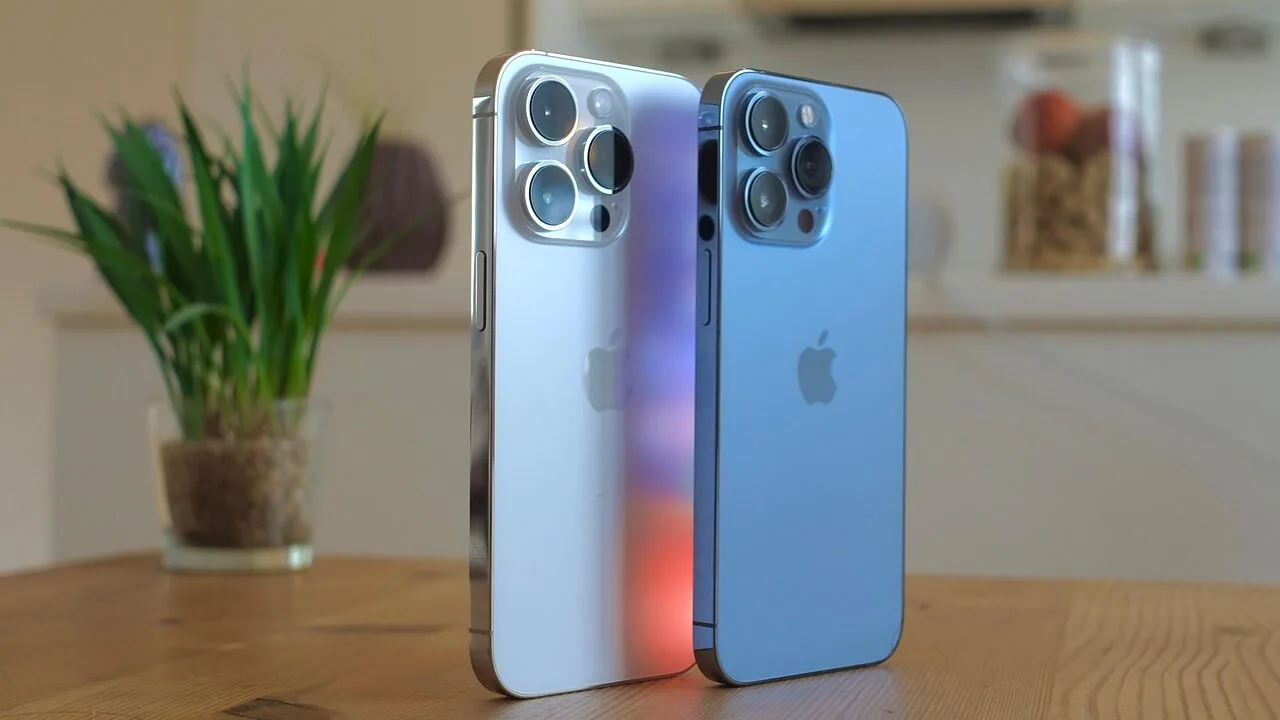
Xiaomi has entered the passport-style foldable market with a device that challenges the status quo in ways that could reshape how consumers think about folding phones. The Xiaomi 18 Fold arrived just days after Apple’s iPhone Duo announcement, presenting buyers with a compelling alternative that excels in hardware specifications but comes with important trade-offs for Western users.
Hardware Excellence That Outperforms the Competition
The Xiaomi 18 Fold demonstrates that passport-style foldables do not require the hardware compromises that established brands have made. At just 219 grams, it weighs 35 grams less than Apple’s iPhone Duo while packing considerably more technology into a chassis that occupies roughly 6 percent less physical space. This engineering achievement becomes immediately apparent when comparing the devices side by side.
The camera system represents perhaps the most significant hardware advantage. While Apple and Samsung both omitted optical telephoto lenses from their passport models, Xiaomi squeezed a 200-megapixel main sensor, a 50-megapixel ultrawide, and a dedicated 50-megapixel periscope lens with 3.5x optical zoom into this design. In direct comparisons, the telephoto capability resolves genuine optical detail at extended zoom levels where competitors resort to digital upscaling. The Leica-tuned color science and low-light metering consistency further separate this camera system from rivals.
The battery capacity also sets a new standard for this category. The 6,000-milliamp-hour cell is the largest available in a passport-style foldable, enabling endurance that easily powers through demanding daily usage. Charging speed matches the ambition: the included 67-watt charger reaches 50 percent capacity in 19 minutes and achieves a full charge in roughly 50 minutes. For those who prefer wireless charging, 50 watts of power is available as well.
Display Quality and Design Refinement
Both the outer and inner displays deliver flagship-level experiences. The 5.38-inch cover screen features a wide aspect ratio that accommodates comfortable two-thumb typing without feeling cramped. The 7.58-inch inner display reaches brightness levels exceeding 3,700 nits in HDR mode, ensuring outdoor visibility even in harsh sunlight. The transition between the two screens feels natural, with the crease less prominent than on competing devices when viewing straight-on.
Design quality reflects premium materials and thoughtful engineering. The matte glass finish in Nishino Red contrasts elegantly with a dark metal frame, delivering the tactile impression of a high-end device. The horizontal camera bar functions as an intentional grip point rather than an awkward protrusion, and the keel hinge feels sturdy throughout the opening motion. Side-mounted fingerprint authentication and 2D face unlock provide convenient unlocking options that the iPhone Duo lacks.
Software Limitations That Matter for International Users
The critical challenge emerges in software integration. The Xiaomi 18 Fold ships with China-exclusive HyperOS 4, which lacks the refinement and Western compatibility that daily users require. While the user interface proves fluid and animations feel snappy in everyday operation, essential features break down systematically for international users.
Android Auto integration does not function, eliminating a key automotive connectivity feature for many drivers. Electronic SIM card support remains absent, limiting flexibility for travelers or those seeking carrier alternatives. Google Find Hub location tracking fails to function reliably, and two-factor authentication prompts from Google services do not appear even after enabling all permissions. Additionally, users cannot designate Gemini as the default system assistant or modify the default browser system-wide to Chrome.
Desktop mode support is conspicuously absent despite the device’s ability to output video over USB-C, and 6-gigahertz Wi-Fi compatibility is not available. These are not trivial limitations for power users or professionals who depend on seamless integration across their device ecosystem.
What This Means for Shoppers
The Xiaomi 18 Fold represents a genuine dilemma for consumers evaluating smartphones in this category. Those prioritizing raw hardware capability and willing to navigate compatibility constraints will find exceptional value at approximately 10,999 yuan, or roughly $1,640 when imported. This undercuts both the $1,899 Samsung Galaxy Z Fold 8 and the $1,999 iPhone Duo on initial pricing, though gray-market import markups will narrow that advantage.
However, Xiaomi’s decision to keep this device as a mainland China-exclusive release during its initial launch complicates matters for Western buyers. The company held its global launch event for the Xiaomi 18 Pro and 18 Pro Max while conspicuously leaving the 18 Fold behind, signaling that Western availability remains uncertain.
For users in China or enthusiasts willing to import and adapt, the Xiaomi 18 Fold delivers the most capable hardware in its class. The combination of lightweight engineering, exceptional battery endurance, and superior zoom capability create a device that proves compromises are negotiable when prioritizing the right features. For mainstream Western consumers, however, the iPhone Duo and Galaxy Z Fold 8 remain more practical daily drivers despite their considerably less impressive hardware specifications, until Xiaomi provides the global software release this device genuinely deserves.
The fundamental choice before shoppers is straightforward: prioritize cutting-edge hardware capabilities and willingly manage software limitations, or accept somewhat lesser specifications in exchange for seamless everyday integration and reliability. Your answer to that question will determine whether the Xiaomi 18 Fold represents an opportunity or a compelling device you must pass on for now.
About the author
Eleanor covers smartphones for REMOVU, balancing cameras, battery life, and software support against price. She helps readers find the best value as the field shifts with every release.