USB-C Audio Switch: What Buyers Should Know As Phones Abandon the Headphone Jack
Phones ditched the 3.5mm jack for USB-C. Here's how it affects your audio and what shoppers need to consider.
 By Eleanor Garcia
Updated September 14, 2026
By Eleanor Garcia
Updated September 14, 2026
The Shift Away From 3.5mm Jacks
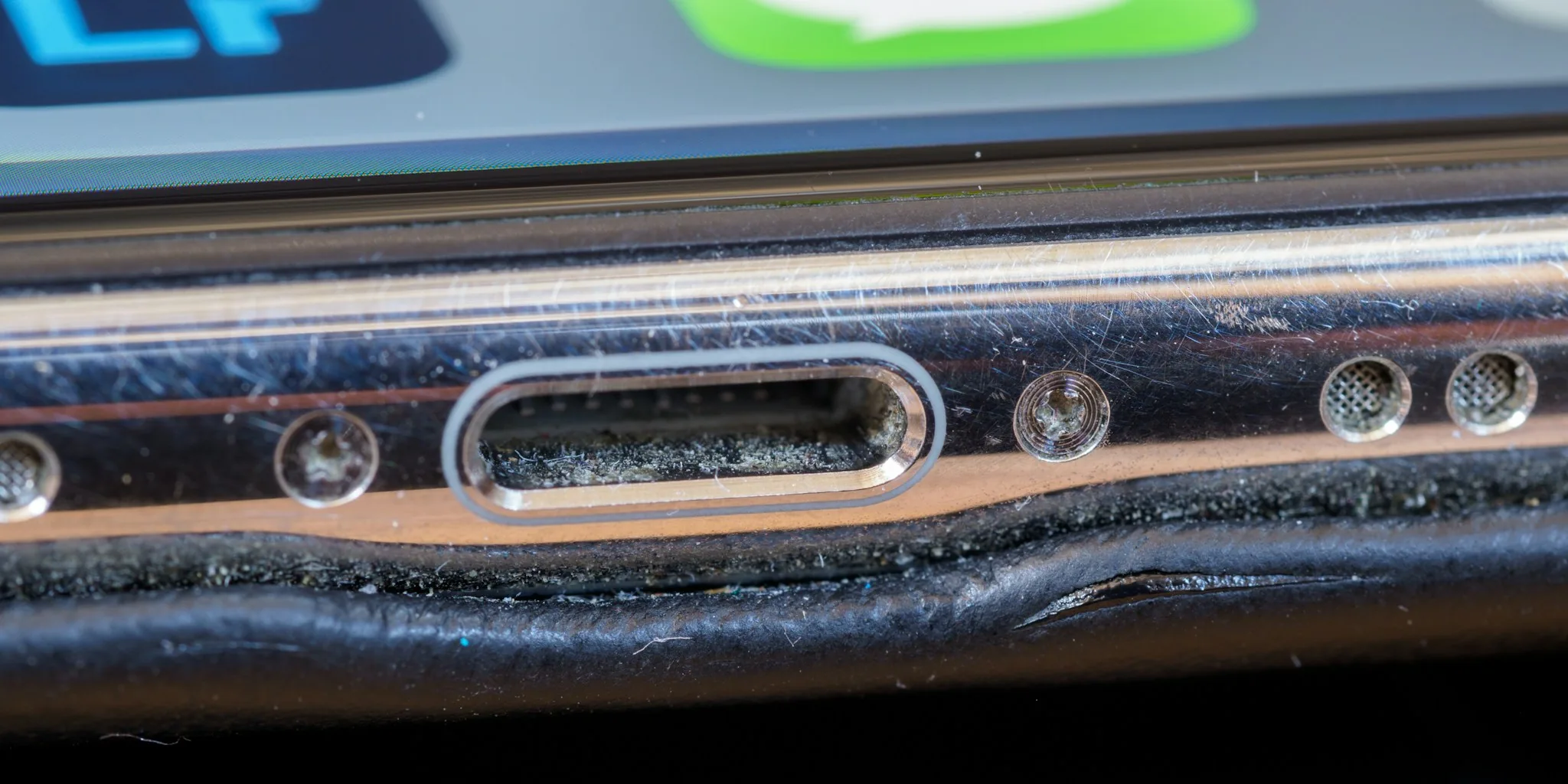
For decades, the 3.5mm headphone jack was the default standard on nearly every smartphone. Apple changed that in 2016 when it removed the jack from the iPhone 7, pushing users toward Lightning connections instead. Google followed a year later by eliminating the jack from the Pixel 2 in favor of USB-C. Samsung completed the industry exodus in 2019 when it dropped the jack from its flagship models. Apple itself eventually joined the USB-C movement with the iPhone 15, abandoning its proprietary Lightning standard due to EU regulations and industry momentum.
While most manufacturers have made this transition, a few holdouts remain. Sony continues to include a 3.5mm jack on devices like the Xperia 1 VIII, and certain budget and mid-tier phones still feature the traditional connector. For everyone else, USB-C now handles charging, data transfers, and wired audio all through a single port.
How the Two Connectors Handle Audio Differently
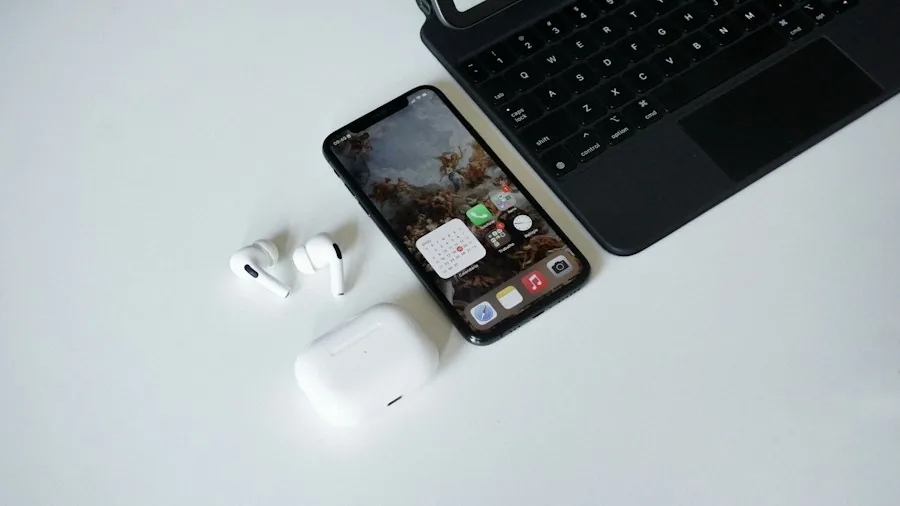
The fundamental difference between 3.5mm and USB-C audio comes down to where the conversion happens. With a 3.5mm jack, your phone converts digital audio into an analog signal before sending it through the port. This digital-to-analog conversion, known as a DAC, occurs inside the phone using its built-in hardware. The quality of your phone’s DAC and headphone amplifier directly influences how good the audio sounds when it reaches your ears.
USB-C works in the opposite direction. Your phone sends a digital audio signal through the port, and then an external DAC built into your earbuds, headphones, or an adapter converts that signal into analog sound. This external conversion is why most smartphones using USB-C for audio require an active adapter with a built-in DAC. Some phones offer an Audio Accessory Mode that can repurpose the USB port for direct analog passthrough, though this is less common.
Neither connector type guarantees superior audio quality on its own. USB-C can deliver excellent sound if paired with a high-quality external DAC and amplifier. Similarly, a 3.5mm connection can outperform expectations when your phone includes a premium DAC and amplifier. The quality of the surrounding hardware matters far more than the connector itself.
Weighing Convenience Against Audio Potential
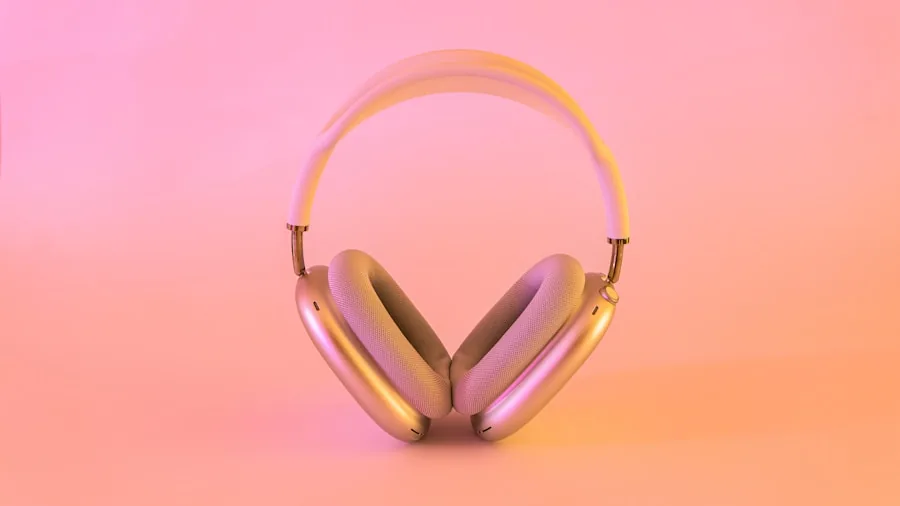
The 3.5mm jack holds a significant advantage in terms of universal compatibility and convenience. You can connect a pair of 3.5mm headphones to your car’s audio system, a laptop, a speaker, a television, or any number of devices without needing an adapter. That same pair of wired headphones works everywhere, which is why they remain popular despite the industry’s shift toward USB-C. USB-C docks and adapters have proliferated in recent years, but they still require you to carry additional hardware if you want to use your 3.5mm headphones with a USB-C phone.
When it comes to raw audio potential, however, USB-C is the more capable technology. A premium USB-C DAC adapter can deliver a cleaner and more powerful signal than most phones’ built-in 3.5mm output, particularly when used with demanding over-ear headphones that require more power to perform optimally. The external DAC in quality adapters can process audio more sophisticatedly than many phone manufacturers can fit into their devices. But this advantage only materializes when you pair USB-C with good equipment. A cheap adapter will likely sound no better than a headphone jack, and could even perform worse.
What This Means for Your Audio Experience
For the average listener using decent headphones or earbuds, the practical difference between USB-C and 3.5mm audio will be minimal. Quality headsets can reveal the advantages of USB-C, but casual listeners may never notice a meaningful improvement. Neither connector is inherently superior across every phone and headphone combination you might consider.
What matters most is matching your expectations to your setup. If you value simplicity and already own multiple 3.5mm headphones, the loss of the jack represents a genuine inconvenience. You’ll need to purchase adapters or replace your wired audio gear. If you’re willing to invest in quality USB-C audio equipment or prefer wireless solutions, the transition causes minimal disruption.
The reality is that USB-C offers greater technical flexibility and potential for audio quality, but 3.5mm remains the easier, more universally compatible option for now. Your choice of which connector you prefer may ultimately depend on how many devices you own and whether you’re willing to embrace the audio ecosystem changes that accompany your new USB-C phone.
About the author
Eleanor covers smartphones for REMOVU, balancing cameras, battery life, and software support against price. She helps readers find the best value as the field shifts with every release.