Smartwatch Alarms Are Changing How People Wake Up: What Buyers Should Know
Discover how wearable alarms offer quieter, healthier wake-ups without disturbing anyone nearby.
 By Kristen Jennings
Updated November 12, 2026

The Shift From Phone Alarms to Wearable Wake-Up Calls
For decades, smartphone alarms have been the standard way to start the day. But a growing number of users are discovering that smartwatches and fitness trackers offer a fundamentally different and often better approach to waking up. The change isn’t just about convenience; it reflects a broader shift in how people think about sleep quality and consideration for those around them.
Unlike the jarring sound of a phone alarm blasting across a bedroom, smartwatches use silent vibration to wake users. This gentle nudge on the wrist mimics the natural feeling of someone tapping your shoulder, allowing for a more gradual transition from sleep to wakefulness. Users who have made the switch report feeling less groggy after waking and experiencing a more peaceful start to their day.
The Science Behind Quieter Wake-Ups
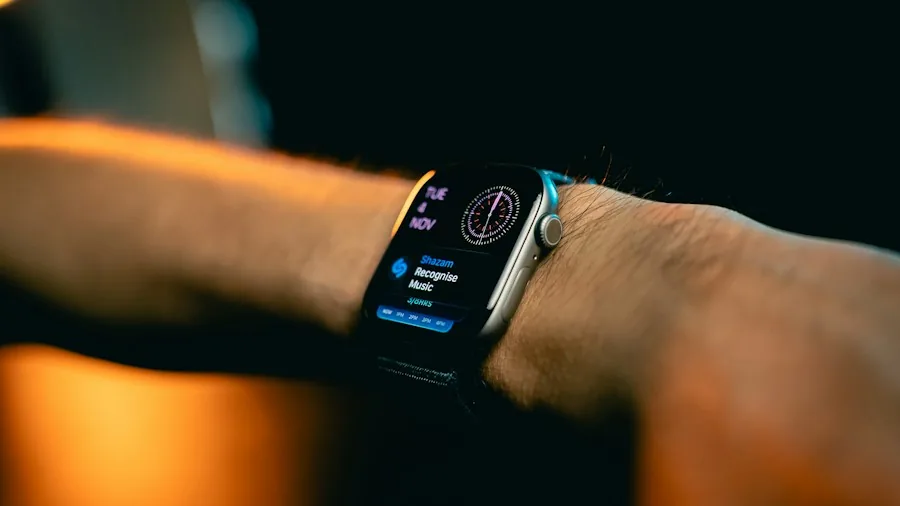
Research supports the benefits of gentler alarm methods. A study from the University of Virginia found that sudden, loud alarms can spike blood pressure upon waking, potentially linking to serious health consequences. In contrast, the vibration-based alerts that smartwatches provide create a more natural awakening experience, similar to how wake-up light devices work by gradually increasing brightness.
The difference in wake-up method matters more than many people realize. Phone alarms force users to choose between disruptive loud sounds that guarantee waking or quieter options that might not be effective. Smartwatch vibrations eliminate that dilemma entirely, providing reliable waking without the noise. This advantage becomes even more apparent for people who need to wake during unusual hours for work, travel, or other commitments.
Benefits for Everyone in Your Space
The silent vibration feature of wearable alarms solves a social problem that phone users face regularly. Early morning wake-up calls on a smartphone disturb partners, roommates, and anyone else nearby. For people who travel frequently or stay in shared accommodations like hostels, the ability to wake up without waking others is genuinely valuable.
The shift to silent wearable alarms creates a meaningful improvement in household harmony and shared spaces. People no longer need to feel guilty about early rises, and those around them can continue sleeping undisturbed. This practical benefit has led many users to declare they cannot return to phone alarms, even after temporarily switching devices.
Convenience Built Into Your Wrist
Beyond the wake-up experience itself, smartwatches make setting alarms dramatically simpler. Users can adjust alarms directly from their wrist while still in bed, without reaching for a phone or navigating through apps. This ease of access encourages better alarm management and reduces the likelihood of oversleeping due to forgotten alarm settings.
Additionally, since most modern smartwatches already track sleep data, using them as your primary wake-up device creates a unified system for understanding your rest patterns. Over time, users can monitor whether switching to vibration-based alarms improves their sleep quality and morning mood, combining multiple health features into a single device.
What This Means for Shoppers Today

For anyone considering a smartwatch purchase, wake-up functionality should be a key evaluation criterion. The presence of a reliable alarm feature with vibration alerts significantly enhances the device’s value in daily life. Whether you choose a premium smartwatch or an affordable fitness tracker, ensuring it has customizable alarm settings will pay dividends in your morning routine.
The growing awareness of this feature also means manufacturers are improving vibration quality and alarm customization options. Modern smartwatches offer various vibration patterns and intensity levels, allowing users to personalize their wake-up experience even further. Some devices let you set different vibration patterns for different alarms, adding another layer of control.
Making the Switch
If you are currently relying on your phone alarm, transitioning to a smartwatch or fitness tracker alarm is straightforward. Most wearables make setup simple, and the benefits become apparent within the first few mornings. The combination of better sleep quality, quieter mornings, and improved convenience creates a compelling reason to explore this option.
The shift toward wearable alarms represents a practical improvement in daily life that many people overlook until they experience it. As smartwatch technology continues to evolve, this feature is likely to become an even more significant factor in how people choose and use their wearable devices. For shoppers evaluating smartwatches today, the alarm function deserves serious consideration alongside fitness tracking and notification features.
About the author
Kristen writes about smartwatches for REMOVU, comparing features, battery life, and ecosystem fit. She helps readers tie together health tracking, notifications, and apps on the right watch.