Samsung Brings 300Hz OLED Laptop Displays and Gaming Monitors to Market: What Buyers Should Know
Samsung unveiled breakthrough 300Hz OLED laptop displays and 360Hz gaming monitors at IMID 2026, signaling major changes ahead for tech shoppers.
 By Jamie Kuhn
Updated August 21, 2026
By Jamie Kuhn
Updated August 21, 2026
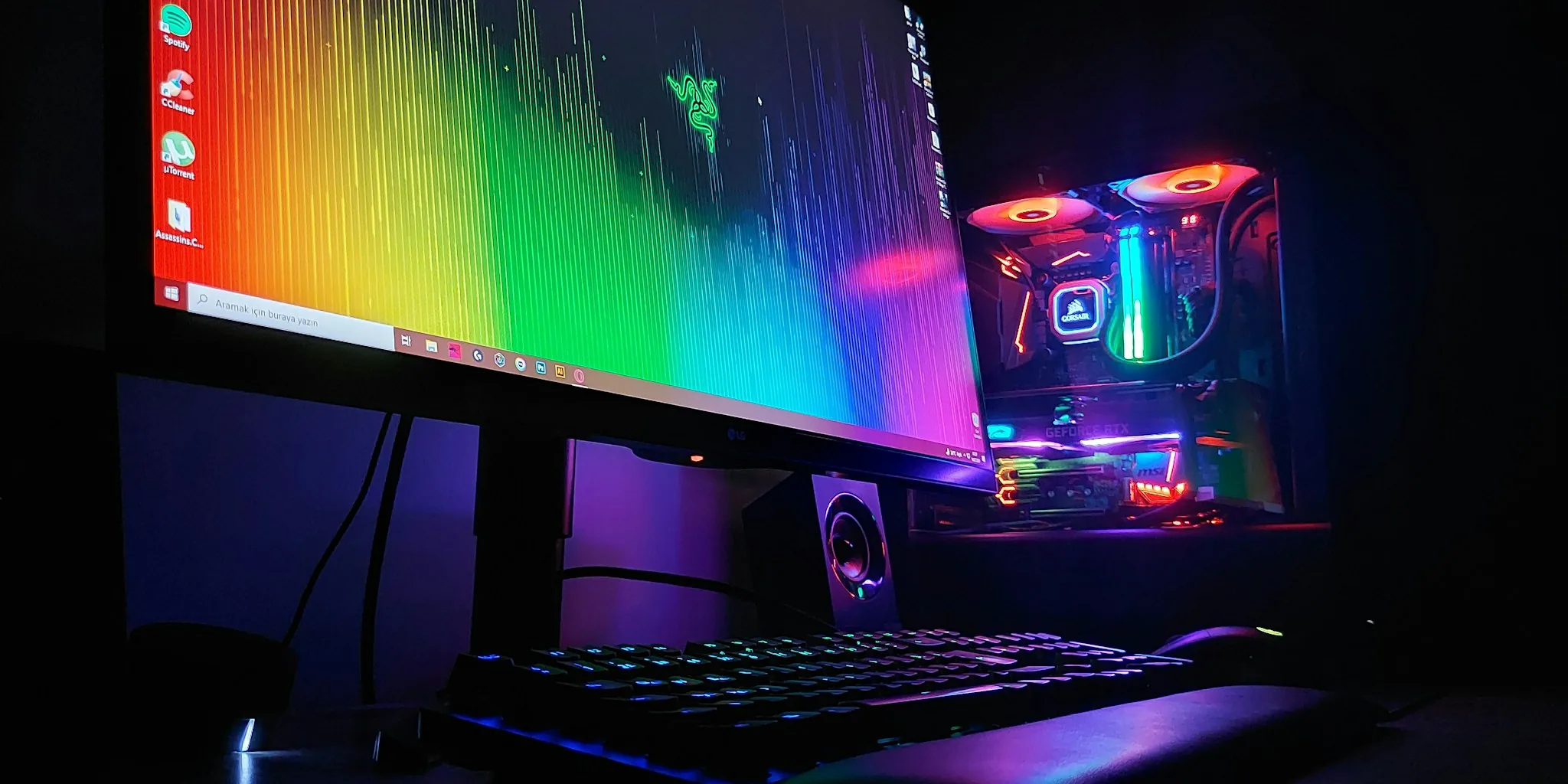
Samsung Display just unveiled a major shift in laptop screen technology at IMID 2026 in Busan, revealing a 16-inch OLED panel with a 300Hz refresh rate designed specifically for portable computers. This breakthrough marks the first self-emissive laptop display to reach such high refresh rates, potentially reshaping what consumers should expect from their devices.
What Makes 300Hz on a Laptop Screen Important
For years, gaming monitors have delivered refresh rates that far exceeded what typical laptop screens could achieve. Laptop displays remained largely stagnant, stuck with standard 60Hz panels even as monitor technology advanced dramatically. The new 300Hz OLED panel closes this gap considerably.
Higher refresh rates translate to noticeably smoother visual performance across everyday tasks. When you scroll through a web browser, edit video content, or play graphics-intensive games, the improvement becomes immediately apparent. Movements feel fluid rather than choppy, reducing eye strain during extended work sessions. Samsung’s achievement is particularly significant because it packs this performance into a slim 2.5K OLED panel, meaning the smoothness benefits could reach thinner and lighter laptop designs rather than remaining exclusive to bulky gaming machines.
Previously, only heavy-duty gaming laptops equipped with powerful dedicated graphics cards could fully utilize fast refresh rates. That expensive, power-hungry approach limited the technology to a small segment of consumers. By making 300Hz achievable in a compact form factor, Samsung opens the door for mainstream laptop manufacturers to offer better displays across their product lineups.
Samsung’s Broader Gaming Display Showcase
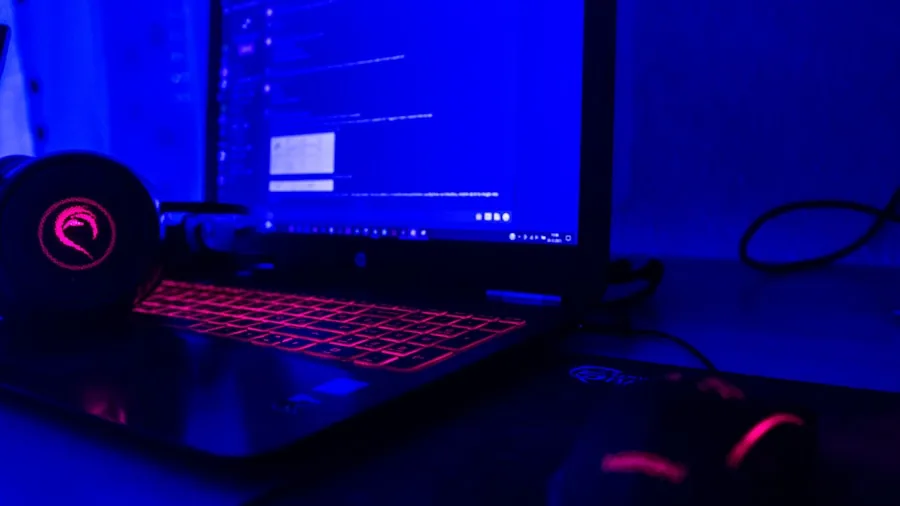
The 16-inch laptop panel was only one piece of Samsung’s exhibition at the event. The company also displayed two additional monitors aimed directly at gamers and creative professionals. A 31.5-inch QD-OLED gaming monitor delivers 4K resolution paired with a 360Hz refresh rate, a combination that no monitor manufacturer has successfully offered before. Simultaneously reaching both visual clarity and ultra-smooth motion in a single display represents a genuine technical accomplishment.
An ultrawide 34-inch QD-OLED gaming monitor with a 21:9 aspect ratio completed the demonstration, also featuring the same 360Hz refresh rate. Samsung grouped all three displays together in a dedicated gaming showcase, emphasizing how its OLED technology now spans different screen sizes and use cases. The variety suggests Samsung is positioning itself across the entire spectrum of gaming peripherals, from portable laptop screens to massive desktop setups.
Timeline and Market Impact
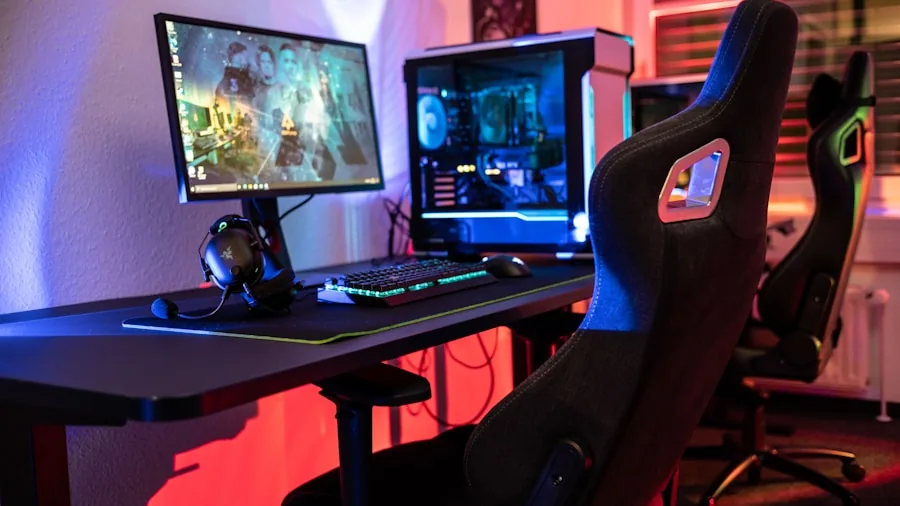
Samsung has not yet announced availability dates for the 16-inch laptop panel or confirmed which manufacturers will integrate it into future devices. However, the mere existence of such technology signals that the laptop market may be about to change dramatically. Consumers have long noticed the performance gap between their portable machines and the gaming monitors they use at home or in offices. If laptop makers begin prioritizing and advertising refresh rates the way monitor brands do, purchasing decisions could shift fundamentally.
The introduction of high-refresh laptop displays could accelerate innovation across the industry. Competing manufacturers will likely race to develop comparable technology, driving down costs and widening availability. Within the next generation of laptops, refresh rate specifications may become as standard in product marketing as processor speed or RAM capacity.
What This Means for Shoppers
Consumers considering laptop purchases should be aware that higher refresh rates are coming to mainstream devices. If your current laptop feels sluggish or the screen seems to lag compared to external monitors, this emerging technology addresses exactly that complaint. As these panels roll out to actual products, reviews are expected to highlight real-world performance improvements.
For gamers specifically, the implications are substantial. Portable gaming will become more viable without requiring expensive, heavy machines. Students, professionals, and casual gamers can anticipate better screen responsiveness in machines designed for travel and everyday use. The barrier between casual laptop users and performance-focused gamers continues to shrink.
Even non-gamers will benefit indirectly. Smoother scrolling, snappier application responsiveness, and reduced motion blur improve the experience of any user, regardless of their primary use case. Video editors, graphic designers, and content creators will appreciate the enhanced visual feedback that higher refresh rates provide.
Samsung’s announcement doesn’t mean you should delay a laptop purchase indefinitely, but it does suggest that the timing is favorable for waiting a few months if your current device is still functional. As these new panels enter production and appear in shipping products, today’s buying decisions will look less compelling compared to next-generation alternatives.
About the author
Jamie is REMOVU's gaming monitor writer, comparing refresh rate, response time, and motion clarity across panel types. He helps players find smooth, responsive displays at every budget.