Router Import Ban Leads TP-Link to Build Domestically: What This Means for Your Home Network
A major router manufacturer is shifting to domestic assembly following new FCC security rules. Here's what shoppers need to know.
 By Armando Washington
Updated October 19, 2026

In March, the Federal Communications Commission took a significant step by designating all consumer routers manufactured outside the United States as a security risk and implementing a ban on their importation. This regulatory action has sent shockwaves through the networking equipment industry, forcing manufacturers to rethink their supply chains and production strategies. For consumers shopping for reliable home network equipment, understanding this shift is essential to making informed decisions about future purchases.
TP-Link, one of the world’s largest router manufacturers, has responded to the import ban by announcing plans to assemble routers domestically. The company has signed a letter of intent with Key Tronic, an established electronics manufacturer, to establish a production operation in Mississippi. According to TP-Link’s statements, routers assembled in the United States could begin rolling off the production line as early as the first quarter of 2027, pending regulatory approval.
What the Import Ban Means for Shoppers
The FCC’s March decision allows retailers to continue selling routers already in their inventory, so immediate shortages are unlikely. However, the ban creates a clear directive: companies wanting to sell new routers in the American market must either relocate manufacturing to the US or receive a waiver that requires a commitment to some degree of domestic production. Several manufacturers have already obtained these waivers, though TP-Link has not yet received one.
For consumers, this regulation aims to enhance network security by ensuring routers meet stricter domestic oversight standards. Whether you are setting up a new home office, upgrading your internet infrastructure, or simply seeking more reliable Wi-Fi coverage, knowing that future router options may increasingly come from American manufacturing facilities represents a meaningful change in the market landscape.
TP-Link’s Domestic Assembly Strategy
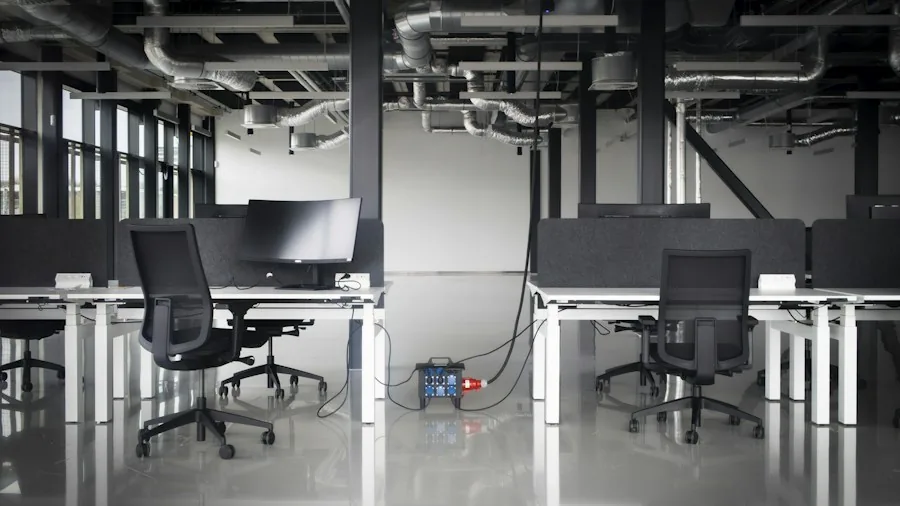
TP-Link has framed its partnership with Key Tronic as part of a broader commitment to expanding high-tech manufacturing jobs within the United States. The company expects its initial domestic production run to focus on Wi-Fi 8 routers, which represent the latest generation of wireless technology. These advanced routers promise improved speeds, better range, and enhanced performance compared to earlier standards.
However, TP-Link’s corporate affairs officer Steve Kovsky clarified an important reality during recent discussions: the company will still need to import certain components from international suppliers. According to Kovsky, many critical components simply do not exist in the domestic supply chain, and this challenge affects all manufacturers attempting to establish US-based production facilities. The distinction between assembly and full manufacturing is important, as it reflects the current state of global electronics supply chains.
For shoppers evaluating smart home devices and networking equipment, understanding that domestically assembled products may still contain international components helps set realistic expectations about product origins and costs.
Timeline and Product Availability
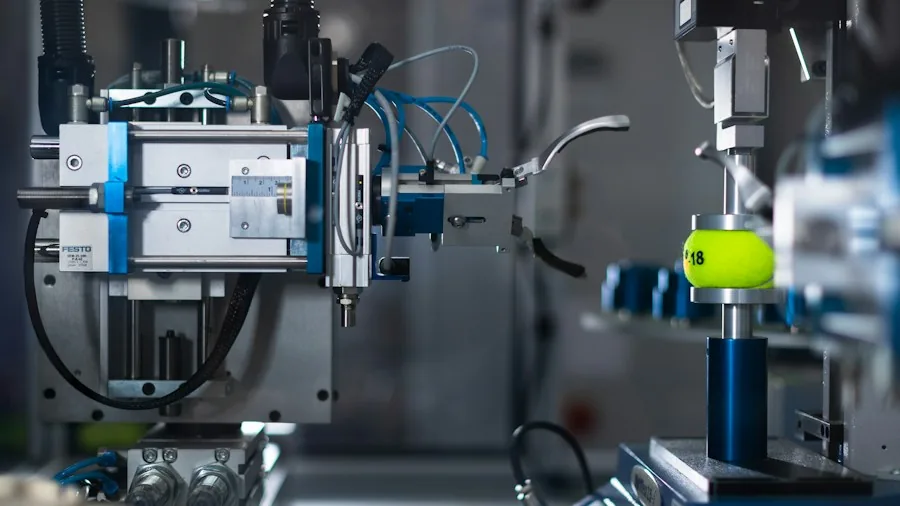
The earliest point at which consumers might see these domestically assembled routers is early 2027, assuming regulators approve TP-Link’s manufacturing plans without delays. This timeline suggests that shoppers seeking routers in 2025 and much of 2026 will still be purchasing internationally manufactured models, provided they find stock available at retailers before any future inventory restrictions take effect.
The focus on Wi-Fi 8 routers for initial production indicates that TP-Link intends to compete at the premium end of the market with these first domestically assembled units. Consumers interested in cutting-edge networking technology should monitor these developments, as American manufacturing may eventually influence pricing and availability of advanced models.
Broader Implications for the Tech Industry
The import ban represents a shift toward reshoring critical technology manufacturing and reflects growing national security concerns around networking infrastructure. Other manufacturers will likely follow TP-Link’s lead, establishing or expanding US-based assembly operations to maintain market access. This trend could eventually reshape where consumers purchase their networking equipment and how quickly new products reach store shelves.
Understanding that government policy now shapes router availability helps consumers appreciate the broader forces influencing the technology market. When shopping for networking solutions, whether upgrading to support power-hungry devices like laptops and mobile equipment, consumers may notice shifts in product selection and pricing as manufacturers adapt to new requirements.
For now, retailers continue selling existing inventory, and consumers have choices. However, staying informed about these regulatory changes allows shoppers to anticipate future market conditions and make purchasing decisions that align with their networking needs and timeline preferences.
About the author
Armando covers Wi-Fi routers for REMOVU, balancing speed, range, and features for homes of every size. He helps readers match a router to their space and their devices.