Reddit User Finds 12 RTX 3070 Graphics Cards in Basement: What Buyers Should Know
A lucky find reveals functioning crypto-mining GPUs with surprisingly little wear after years in storage.
 By Katrina Dean
Updated September 12, 2026
By Katrina Dean
Updated September 12, 2026
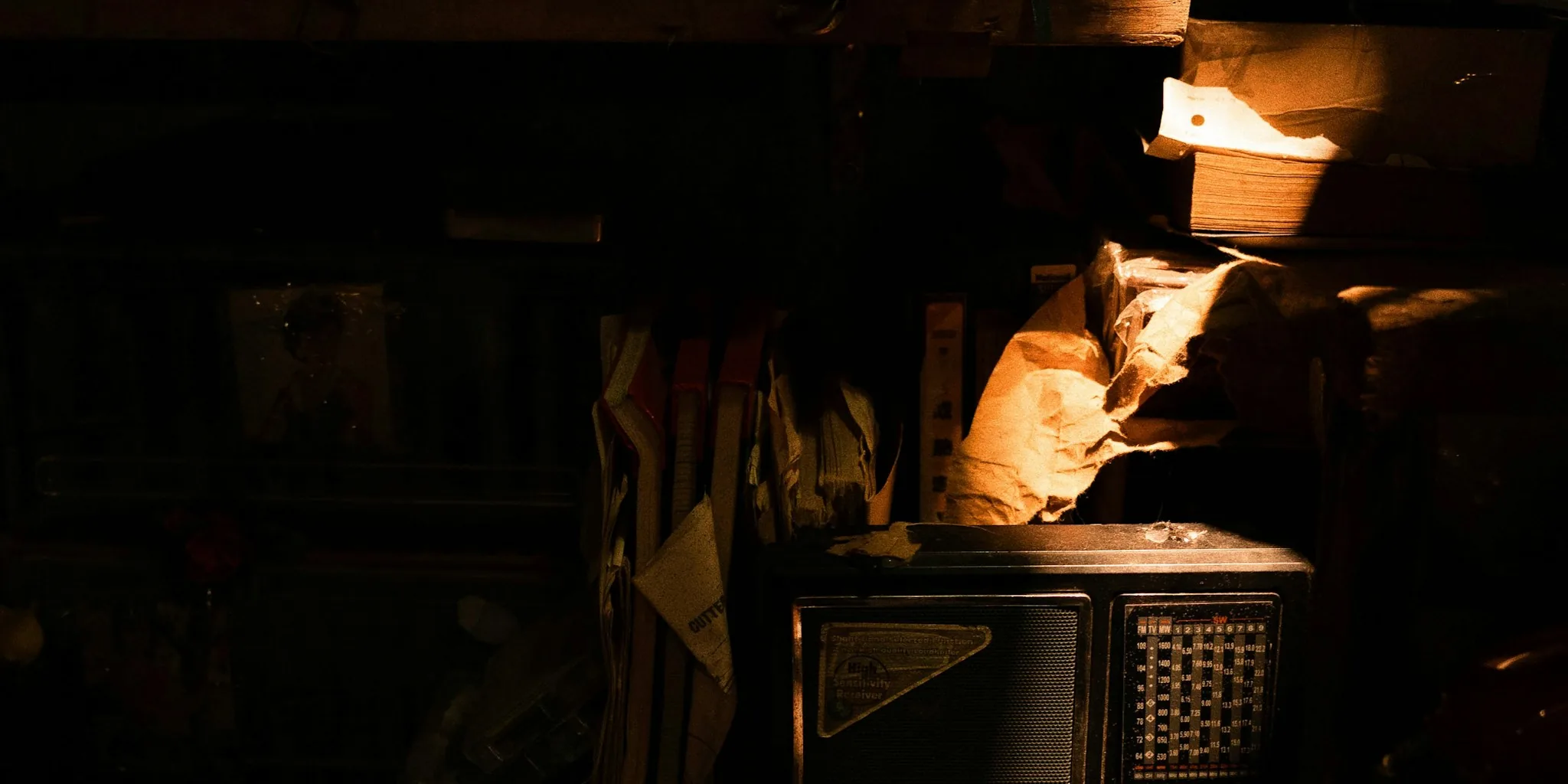
A fortunate discovery on Reddit has brought renewed attention to graphics cards from the cryptocurrency mining boom. A user reported finding 12 Zotac-branded Nvidia RTX 3070 GPUs stored in a basement, remnants of hardware used during the height of Ethereum mining. The find includes an entire mining rig setup with power supplies, motherboards, and memory, representing a rare opportunity to evaluate how graphics hardware holds up after years of dormant storage.
The Discovery and Current Condition
The cache of graphics cards came from mining equipment that had been sitting unused since the crypto mining era became less profitable. According to the finder’s account, the hardware shows surprisingly minimal wear despite spending years in basement conditions. Beyond the 12 RTX 3070 cards themselves, the full setup contained an MSI MPG Z390 motherboard, a 1000W Gold-rated power supply, DDR4 memory, and solid-state drives. Close inspection revealed minor silicone bleeding on most cards, a naturally occurring condition where thermal pad material degrades and releases oil residue over time. Experts noted that while professional cleaning with isopropyl alcohol, along with thermal pad and paste replacement, would likely be necessary, the vast majority of the hardware appears salvageable and functional.
Understanding the RTX 3070 Specifications
The RTX 3070 entered the market in 2020 as a capable upper mid-range graphics card built on Nvidia’s Ampere architecture. The card packs 5,888 CUDA cores and 8GB of GDDR6 memory, delivering solid performance for 1440p gaming environments. During its launch window, this model became one of the most widely adopted GPUs of its generation, appealing to gamers and professionals alike. The combination of processing power and power efficiency also made it particularly attractive to cryptocurrency miners seeking to maximize returns while minimizing electricity consumption. With this recent discovery containing 12 units, the total VRAM represented amounts to 96GB, a substantial figure given the high cost of modern graphics memory in today’s market.
Mining Heritage and Gaming Viability
Graphics cards with mining history carry misconceptions among potential buyers. In reality, mining operations typically configured GPUs to run at reduced core voltages and lower power levels to decrease heat output and operational costs. This conservative operating approach placed significantly less stress on the silicon compared to standard gaming scenarios, where cards often run at higher performance states. The design philosophy behind mining rigs prioritized longevity and cost efficiency, which inadvertently extended component lifespan. Cards that performed heavy cryptocurrency operations often experienced gentler thermal cycling and electrical stress than their gaming counterparts might encounter. This distinction is important for shoppers evaluating used graphics hardware, as mining-era cards frequently offer reasonable durability prospects if properly maintained and refreshed with new thermal materials.
Market Value and Pricing Implications
For consumers seeking affordable graphics solutions, this type of discovery highlights the secondary market for capable GPUs. The finder indicated plans to retain one RTX 3070 for personal use and sell the remaining 10 or 11 units after conducting thorough evaluation procedures. Such availability can create downward price pressure on used graphics cards under 500 dollars in regional markets, particularly as bulk supplies enter circulation. Used RTX 3070 units with functional verification represent potential value for builders and upgrades, especially compared to current-generation flagship pricing. However, buyers should account for necessary restoration costs, including thermal material replacement and professional cleaning services, when calculating total expenditure. The influx of functioning older-generation cards offers shoppers realistic alternatives to premium current-generation options, particularly for 1440p gaming where this hardware remains adequately capable.
What This Means for Shoppers Today
This rediscovery of dormant mining equipment demonstrates that substantial quantities of older, capable graphics hardware remain available through alternative channels beyond traditional retail. For budget-conscious buyers, acquiring verified used cards from mining operations can deliver meaningful savings, though due diligence remains essential. Verification procedures, warranty terms, and thermal restoration costs should factor into purchasing decisions. Additionally, shoppers interested in more budget-friendly solutions might explore graphics cards under 300 dollars to find entry-level options. The secondary market for former mining GPUs continues providing opportunities for system builders and upgraders who understand these cards’ operational history and can assess their condition appropriately. As newer generations command premium pricing, these mid-range alternatives from previous cycles maintain genuine utility for specific gaming resolutions and workload profiles.
About the author
Katrina covers graphics cards for REMOVU, tracking gaming performance, features, and value as prices shift with every launch. She helps builders find the right GPU for their resolution and budget.