RAM Prices Set to Stay High as Robot Manufacturing Surges Through 2027
Humanoid robots will drive memory demand as hard as AI data centers, extending the period of elevated prices.
 By Beverley Reynolds
Updated October 2, 2026
By Beverley Reynolds
Updated October 2, 2026
What Happened
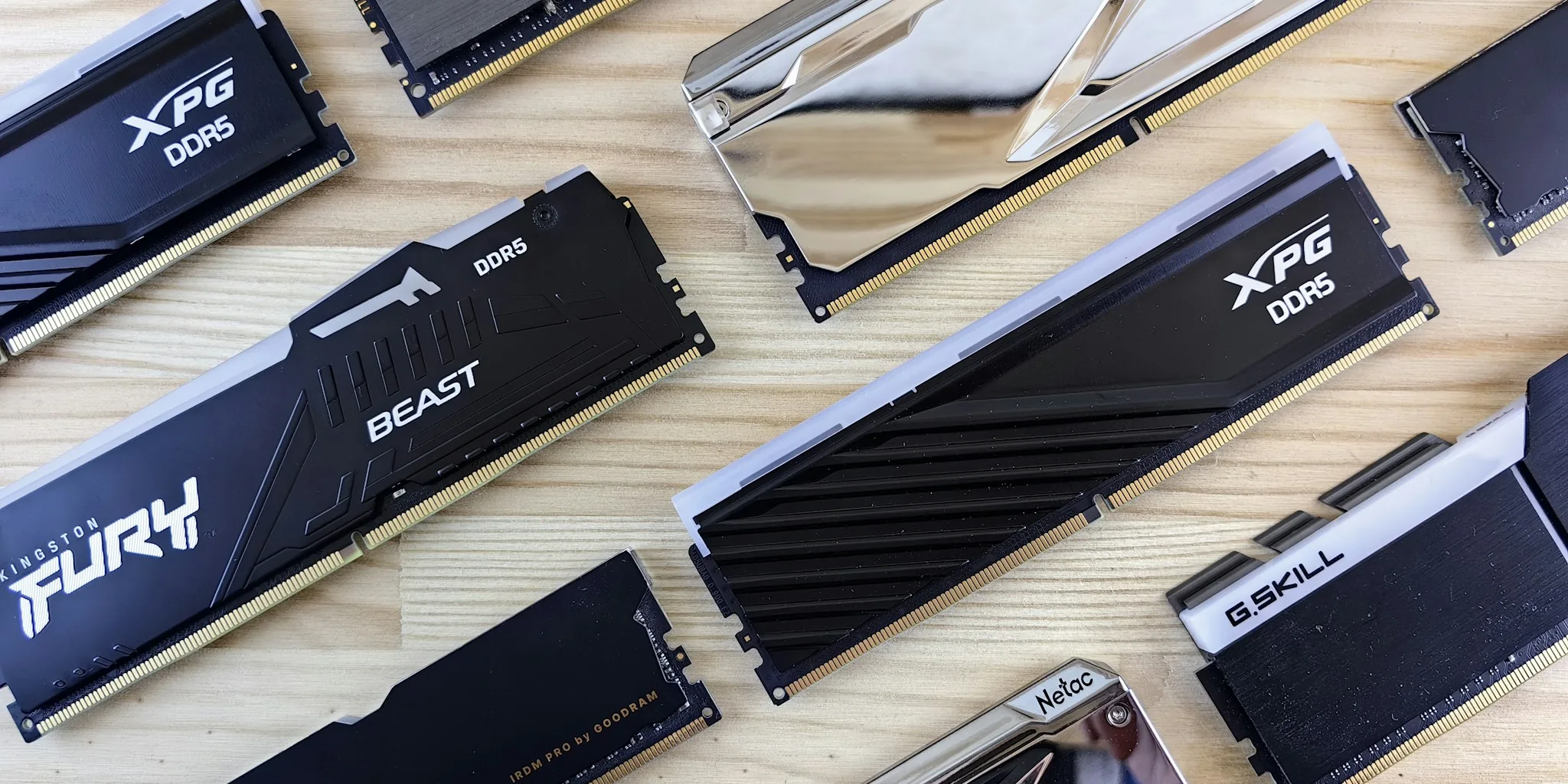
Memory manufacturer Micron delivered sobering news to consumers hoping for lower RAM prices: even if the artificial intelligence boom slows down, expect memory costs to remain elevated for years to come. During its fiscal 2027 earnings guidance, Micron outlined a new force keeping memory demand high: the rapid expansion of humanoid robot manufacturing.
CEO Sanjay Mehrotra stated that humanoid robots will become an even larger driver of memory and storage demand than AI data centers moving forward. Each humanoid robot requires approximately 200GB of DRAM and multiple terabytes of storage capacity, creating sustained demand that could support a “multi-decade memory demand cycle.” This projection means that even if AI investments cool, robot production will likely fill the demand gap.
The company also noted that physical AI applications, including autonomous vehicles and AI-enabled consumer devices, will accelerate significantly by the end of this decade. Micron’s customers are already sampling next-generation memory products designed specifically for these emerging use cases. Meanwhile, the current market imbalance is severe: demand for memory chips currently exceeds supply by approximately 50 percent.
Industry-wide capacity expansion efforts will not solve this shortage quickly. Although semiconductor manufacturers plan record-breaking additions to DRAM production facilities, Micron believes robust demand and new customer requests will keep supply tight for the foreseeable future. Morgan Stanley estimates support this outlook, projecting that the global humanoid robot market could reach 930 million units worth five trillion dollars annually by 2050.
What This Means for Shoppers
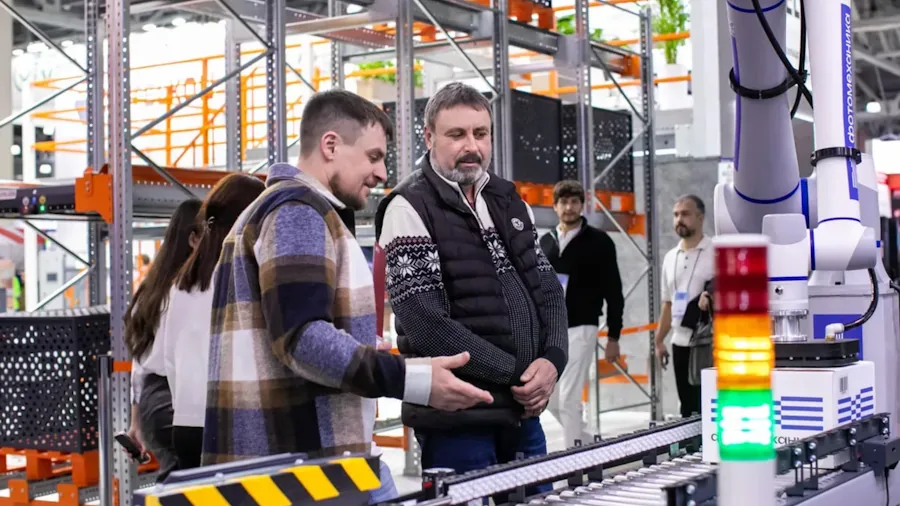
For consumers shopping for RAM upgrades, this news extends the timeline for price relief significantly. Rather than hoping for a return to pre-AI pricing within months, budget-conscious buyers should prepare for sustained elevated costs through at least 2027 and potentially beyond.
The shift from AI data centers to robots as the primary demand driver matters because robot manufacturing will be distributed globally and span multiple industries. Autonomous vehicle makers, manufacturing facilities, logistics companies, and emerging consumer robotics will all compete for limited memory supplies simultaneously. This diversified demand proves more difficult to satisfy than concentrated data center purchases.
Consumers facing immediate upgrade decisions have limited options. Building a new system or upgrading existing RAM now costs significantly more than it would in a typical market environment. Those who can defer upgrades should strongly consider waiting, though the timeline for meaningful price decreases extends well beyond 2027 according to Micron’s projections.
For buyers who cannot delay, focusing on value-oriented selections becomes more important than ever. DDR5 RAM options have become more accessible than earlier in their lifecycle, and choosing capacity that matches current needs without excessive overspending may prove wise given the pricing environment.
The Bigger Picture
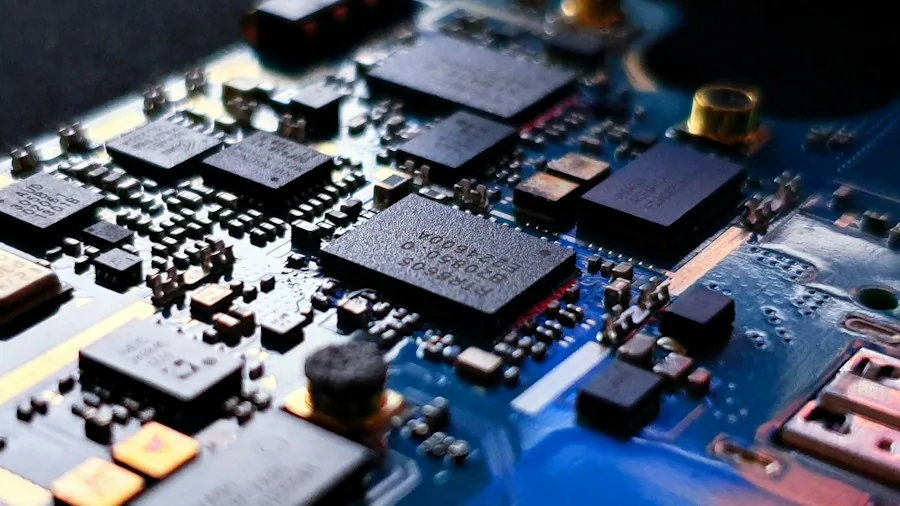
Memory manufacturers, including Micron, Samsung, and SK Hynix, have enjoyed record profitability during the current supply shortage. Samsung and SK Hynix distributed substantial bonuses to employees based on windfall earnings, while Micron’s workforce unions are now pushing for similar compensation, citing the company’s exceptional profitability.
This situation illustrates how emerging technologies create extended periods of supply scarcity that benefit producers while challenging consumers. The robotics sector represents genuine long-term growth that will drive legitimate memory demand, unlike speculative bubbles that eventually burst. Humanoid robots require substantial computational resources and data storage to function effectively, making memory chips truly essential infrastructure for this advancing field.
Autonomous vehicles represent the initial major use case for physical AI applications, but adoption will expand across manufacturing, logistics, healthcare, and consumer markets throughout the 2020s. Each wave of adoption brings fresh demand for the memory and storage that powers these systems.
The semiconductor industry is responding by planning massive capacity additions, but building new cleanroom facilities takes years and enormous capital investment. This lag between demand and supply expansion explains why Micron and industry analysts expect persistent supply constraints.
Looking Ahead
Consumers should adjust expectations regarding RAM affordability. The days of waiting for an AI bubble to burst and prices to crash have effectively passed. Instead, a new structural demand source, humanoid robotics, will sustain memory scarcity indefinitely.
Anyone planning PC builds or system upgrades should budget accordingly for higher RAM costs. Prioritize reliability and appropriate capacity over aggressive expansion, since replacement cycles may occur during an extended period of elevated pricing. Keep monitoring industry developments, as unexpected supply breakthroughs or demand shifts could alter this outlook, but current projections suggest affordability improvements will remain limited through 2028 and beyond.
About the author
Beverley is REMOVU's memory writer, matching DDR4 and DDR5 kits to each platform on speed, capacity, and value. She helps builders get the right RAM without overpaying.