RAM Prices Hit Record Highs in 2025: What Buyers Need to Know
Memory prices hit record highs as AI companies lock up production capacity. Here's what you should know about the shortage.
 By Beverley Reynolds
Updated August 15, 2026
By Beverley Reynolds
Updated August 15, 2026
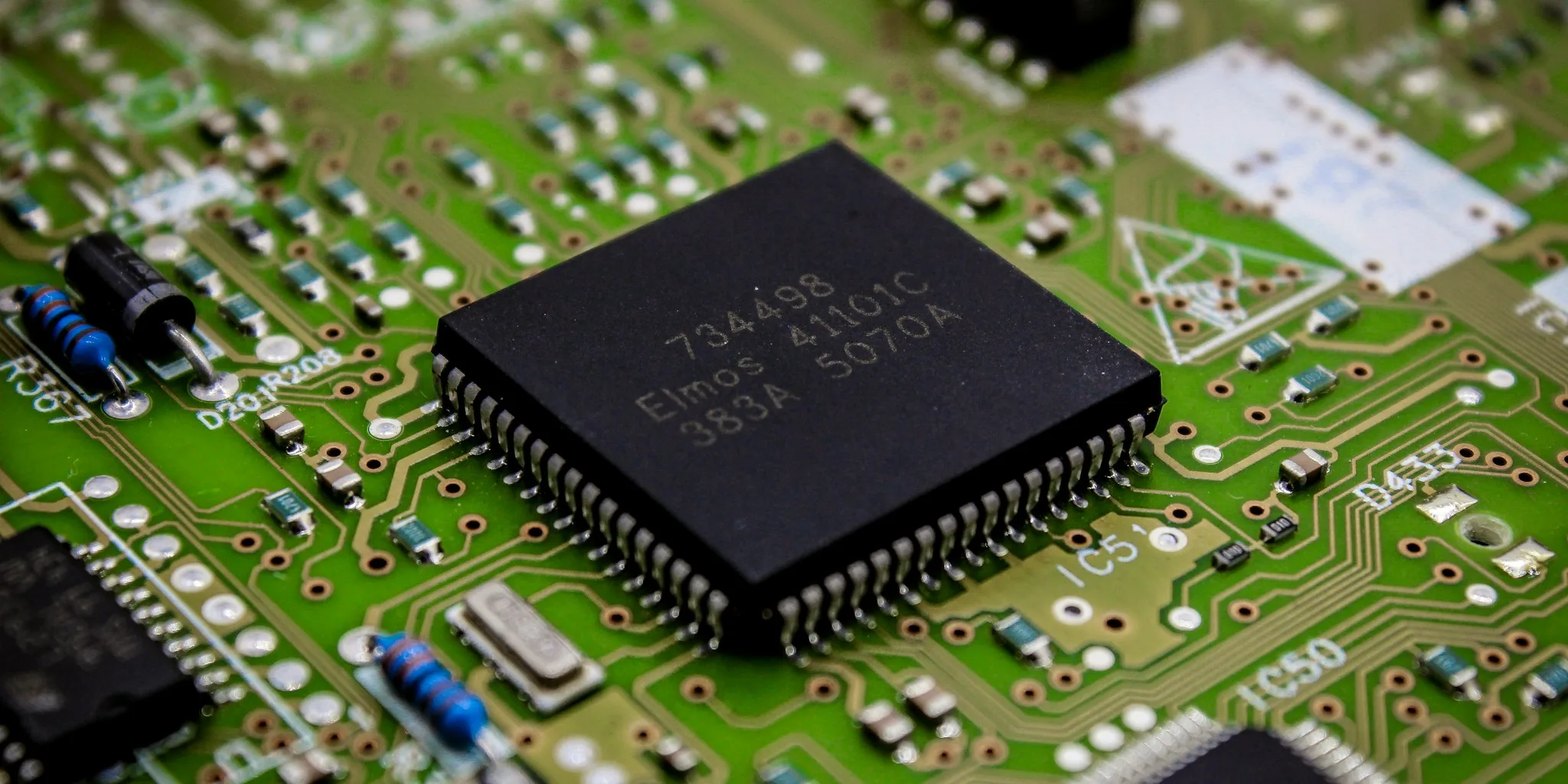
Memory costs have reached unprecedented levels in 2025, with RAM prices climbing at a pace unseen in decades. A pair of 16GB DDR5-4800 modules that cost under $100 at the start of 2025 now commands more than $400, while high-end 32GB DDR5-6000 kits have surged from around $250 to over $1,200, matching the price of an entire laptop. For consumers building or upgrading computers, these dramatic increases represent a significant shift in what they can afford to spend on core components.
The root cause behind this shortage traces directly to artificial intelligence investment. Technology companies backed by enormous capital injections have secured entire years of production capacity from the world’s RAM manufacturers. Industry reports indicate that production capacity through 2027 has already been claimed, with companies like OpenAI and various AI infrastructure firms locking in supplies at any cost. These hyperscale data centers require enormous quantities of specialized memory modules to power AI training operations, leaving consumer-grade products in short supply.
To understand the scale of this disruption, consider the resources consumed by a single data center facility. One major AI infrastructure site reportedly contains enough memory to supply approximately 14 million smartphones. With hundreds of similar facilities under construction globally, the cumulative demand from this sector dwarfs traditional consumer electronics manufacturing needs. This competition fundamentally altered a market that had remained stable for two decades, where supply typically matched gradual increases in consumer device upgrades.
RAM itself comes in different varieties designed for specific purposes. Consumer devices use DRAM technology, which includes DDR modules for computers and low-power variants for mobile phones. However, AI data centers rely on High Bandwidth Memory (HBM), a more advanced form that delivers superior performance and capacity for intensive computational tasks. The critical problem: both types depend on the same underlying silicon wafers. Manufacturing a single unit of HBM consumes approximately three times the silicon resources required for a standard consumer DDR5 module. This creates a zero-sum situation where every piece of HBM produced directly reduces the potential supply of affordable consumer RAM.
The three companies dominating global RAM production, Samsung, SK Hynix, and Micron, have little financial incentive to quickly resolve this crisis. HBM commands far higher profit margins than traditional consumer DRAM, and AI companies willingly pay premium prices for limited supplies. One major manufacturer exited its consumer-facing RAM business entirely to focus resources on these more profitable segments. Recent financial reports from the major producers show record revenues and operating margins, with one company reporting an 84.9 percent gross profit margin, demonstrating just how lucrative the current environment has become.
Industry leaders have offered sobering timelines for when relief might arrive. The SK Hynix chief executive stated that conditions will actually worsen throughout 2027, with demand expected to exceed supply beyond 2030. Major consulting firms predict 2030 at the earliest before prices return to historical norms. Even with planned factory expansions costing tens of billions of dollars, new production facilities require years of development and cannot be constructed quickly. The precision manufacturing environments needed for RAM production demand extraordinary levels of investment and expertise.
Building new capacity presents enormous challenges beyond simple cost and time. RAM manufacturing requires clean rooms maintaining near-perfect air purity, specialized equipment requiring years to obtain and install, and highly trained technical workforces. Constructing a facility from the ground up takes years of planning, permitting, and construction before a single chip can be produced. When major manufacturers announce new factory projects, production timelines stretch into 2029 and beyond.
For shoppers considering upgrades, the decision presents genuine difficulty. Waiting could yield lower prices in three to four years, but prices may continue climbing in the interim. Those with immediate needs for DDR5 RAM upgrades face the unfortunate reality of current market pricing. However, rushing to purchase RAM purely for future use risks exacerbating supply constraints. A pragmatic approach involves purchasing only what you genuinely require now, if you have immediate upgrade needs that will persist for the next several years.
Second-hand RAM markets may eventually provide some relief as older systems enter the replacement cycle, offering alternatives to new retail pricing. For now, the market remains squeezed between AI sector demand and limited manufacturing capacity, creating one of the most dramatic price swings for computer memory in modern history.
About the author
Beverley is REMOVU's memory writer, matching DDR4 and DDR5 kits to each platform on speed, capacity, and value. She helps builders get the right RAM without overpaying.