PlayStation Disc Phase Out What Buyers Should Know
Sony is discontinuing disc drives by 2028. Here's what that means for your game collection and wallet.
 By Serenity Richards
Updated August 26, 2026
By Serenity Richards
Updated August 26, 2026

PlayStation’s Digital Only Future Sparks Consumer Concerns
Sony’s announcement to phase out disc-based games on PlayStation consoles by 2028 has ignited significant backlash from the gaming community. This move represents a major shift in how players will access and own their games, raising important questions about consumer rights, game ownership, and the future of physical media in gaming.
The decision to eliminate optical disc drives from PlayStation hardware marks an industrywide trend toward entirely digital distribution. However, many gamers are concerned about what this means for their existing physical libraries, their ability to resell games, and the permanence of their digital purchases.
What This Means for Your Game Library
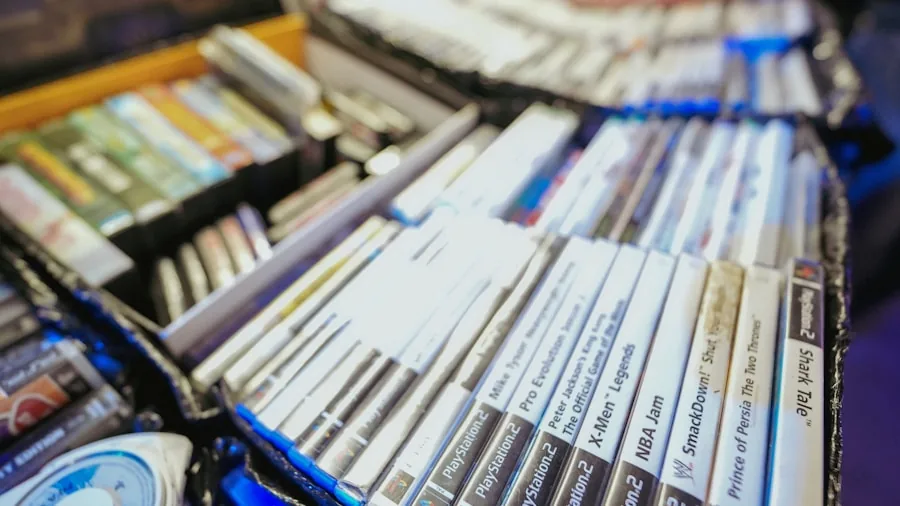
One of the primary concerns among consumers is the fate of games already purchased on disc. While Sony has not provided complete clarity on backward compatibility across all titles, players worry about access to older games once the physical format is discontinued. When you buy a physical disc, you own that copy indefinitely. With digital games, your access depends entirely on licensing agreements that publishers and platforms control.
The shift to digital-only purchasing has practical implications for your household gaming. Game consoles have traditionally allowed family members to share physical games. Digital licenses typically tie to individual accounts, making it harder to share titles across a family. Additionally, digital games cannot be resold, traded, or given away as physical copies can be.
Why Manufacturers Are Moving Away From Disc Drives
The supply chain reality behind this decision is less about player preference and more about manufacturing economics. Factories that once produced optical disc drives for consoles, laptops, and Blu-ray players are shifting toward more profitable industries like camera lens manufacturing. Demand for optical disc technology has declined steadily, with Xbox Series X and PlayStation 5 representing the last major consumer products still using them.
This manufacturing reality puts pressure on console makers to make hard choices. However, the market response reveals that consumers still value physical ownership, even as digital game sales have grown over the past decade.
How Microsoft Is Responding Differently
In contrast to PlayStation’s approach, Microsoft has announced that Xbox disc ownership will now provide digital entitlements. This means when you purchase a physical Xbox game, you also gain access to a digital version through Xbox Cloud Gaming and the Play Anywhere program. Xbox CEO Asha Sharma stated that the company recognizes “players love physical media” and wants to ensure consumers have a choice.
This dual-access approach attempts to bridge the gap between physical ownership and digital convenience. Players can maintain their physical collections while gaining the flexibility of digital access. Microsoft has emphasized backward compatibility as a core feature, allowing games from previous generations to work on newer hardware.
The Digital Ownership Problem
The broader concern about a fully digital future extends beyond just convenience. Digital games and media lack the permanence of physical products. When you license a digital game, publishers and platforms retain control over your access. Licenses can be revoked if a company decides to sunset a title or if your account faces issues. There is no consumer protection legislation requiring refunds when digital games are removed from platforms.
This represents a fundamental shift in consumer rights. With physical media, you own the product outright. With digital licenses, you are renting the right to play under conditions the publisher can change at any time. Some consumer advocates have called for the ability to resell digital games, similar to physical copies, but the industry has resisted such legislation.
The Broader Industry Trend
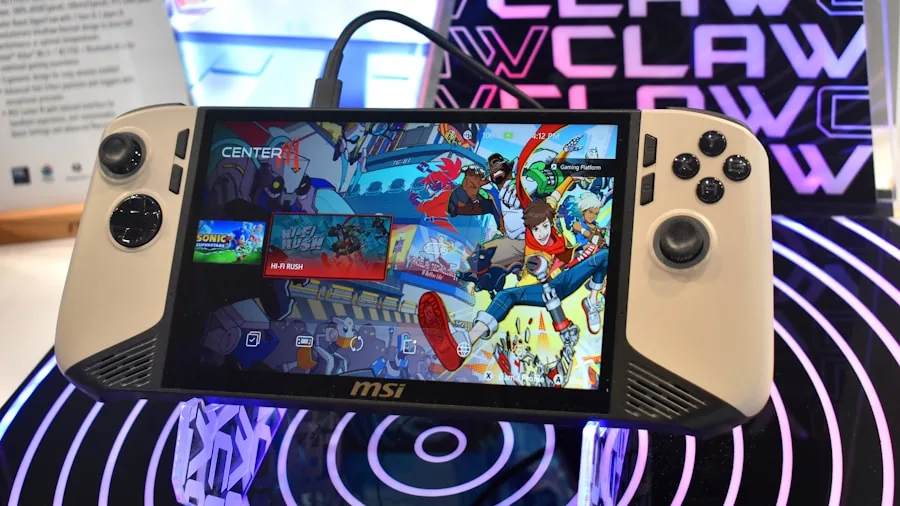
PlayStation’s decision aligns with an industrywide movement toward digital distribution. However, the consumer backlash suggests there remains strong demand for physical options. Interestingly, vinyl records have experienced a revival in recent years as collectors seek tangible ownership and a more engaging hobby experience. The same desire for ownership is driving pushback against all-digital games and media.
Gaming family sharing remains limited compared to other digital platforms. While Steam has implemented some family library features, robust sharing capabilities are not yet standard across the industry. The Best Portable SSDs for Every Workflow and Budget can help store and manage your existing digital game collections, but they cannot solve the licensing restrictions of digital-only purchases.
What Shoppers Should Do Now
If you value physical media and ownership rights, consider your console choice carefully. Evaluate whether the platform’s approach to disc games and digital licensing aligns with your preferences. Continue purchasing physical copies of games you plan to keep long-term, as the supply of disc-based versions will likely decrease over time. Understand the terms of service for any digital purchases, and be aware that your access to those games is contingent on ongoing licensing agreements.
The gaming landscape is shifting, but consumers still have choices. By understanding what each platform offers and making informed purchasing decisions, you can protect your gaming investments and maintain access to the content you care about.
About the author
Serenity covers home game consoles for REMOVU, weighing performance, exclusive libraries, and the ecosystem each platform locks you into. She helps players pick the console that fits how and what they play.