PlayStation 6 Rumors: What the Next Generation GPU Specs Mean for Gamers
Leaked specs show the Xbox Helix could deliver 40% more graphics power than PS6.
 By Serenity Richards
Updated September 27, 2026
By Serenity Richards
Updated September 27, 2026

Hardware leakers have uncovered fresh information about the upcoming generation of gaming consoles, and the details suggest a significant performance gap between the next PlayStation and its Microsoft rival. According to industry sources, the rumored Xbox Helix could deliver substantially more graphics processing power than the PlayStation 6, which is expected to arrive within the next few years.
What the Specs Reveal About Next-Gen Performance
Semiconductor development sources indicate that chips for both the next Xbox and PlayStation have reached tape-out status, a critical milestone in hardware design. Tape-out means manufacturers have finalized the chip designs and are preparing them for mass production. At this stage, only significant defects discovered during quality checks typically trigger design revisions; otherwise, the specifications remain locked in.
According to leaked GPU compute estimates, the Xbox Helix is projected to deliver 56 TFLOPS of processing power, while the PlayStation 6 is expected to reach approximately 40 TFLOPS. If these figures are accurate, the Xbox would hold a 40 percent advantage in theoretical graphics computing capacity. To put this in perspective, 56 TFLOPS represents roughly three times the peak output of the current PS5 Pro, which maxes out at around 18 TFLOPS.
The current generation shows a more modest gap: the PlayStation 5 delivers about 10.2 TFLOPS, while the Xbox Series X reaches 12 TFLOPS. The projected next-gen specifications suggest a dramatic leap forward for both platforms compared to what’s available today. A comprehensive overview of current game consoles provides context for how dramatically console technology has evolved over the past decade.
Why Raw Power Numbers Don’t Tell the Whole Story
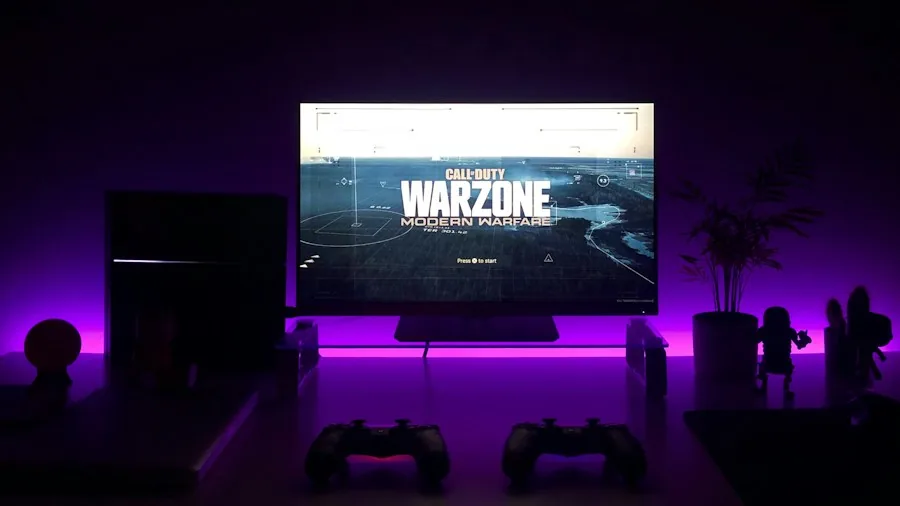
While these TFLOPS figures generate excitement among enthusiasts, they represent only one piece of the performance puzzle. TFLOPS measures theoretical computational throughput, not real-world gaming speed. A console with higher TFLOPS doesn’t automatically deliver faster frame rates or better visual quality in every scenario.
Multiple hardware components influence actual gaming performance: processor architecture, memory bandwidth, storage speed, and software optimization all play crucial roles. Two consoles with identical TFLOPS ratings might deliver different results depending on how efficiently developers can harness their respective hardware designs. Frame rates, loading times, and visual fidelity depend on these combined factors working together effectively.
Developers have become increasingly skilled at extracting maximum performance from console hardware through optimization techniques. Early games on any new console typically show dramatic improvements in graphics quality and frame rates as programmers gain experience with the architecture. The gap between launch titles and games released several years later often becomes remarkably visible, even without hardware changes.
What This Means for Your Next Console Purchase
If these leaks prove accurate, consumers considering a next-generation console purchase should understand that raw computational power represents one factor among many. The decision between PlayStation 6 and Xbox Helix will likely depend on exclusive game titles, online services, backward compatibility, and your existing game library rather than TFLOPS alone.
Both companies have demonstrated strong commitment to their exclusive game franchises and services. PlayStation continues developing major titles around beloved characters, while Xbox has invested heavily in its Game Pass subscription service and exclusive content. Your choice may ultimately come down to which ecosystem offers the games you most want to play and the services you value most.
Storage performance deserves consideration as well. Modern portable storage solutions have become essential for console gaming, allowing players to manage their game libraries efficiently across multiple drives. Next-generation consoles may ship with expanded storage options or improved transfer speeds compared to current models.
The Timeline for Next-Gen Consoles
Console manufacturers typically space out hardware generations by five to seven years. With the PlayStation 5 and Xbox Series X having launched in late 2020, the next generation would logically arrive sometime around 2025 to 2027. The tape-out status of these chips suggests manufacturers are on track for release within that window, though official announcements remain pending.
Retailers and consumers shouldn’t expect dramatic price changes for next-generation consoles compared to current pricing. Launch prices for high-end consoles have remained relatively stable for the past two decades, typically ranging from $400 to $500 for standard models. Any new console premium features or storage options might push higher-tier versions toward higher price points.
As with every new console generation, early adopters will likely face supply constraints at launch. Manufacturing sufficient units to meet worldwide demand takes months, and popular models frequently sell out quickly. Patient shoppers who wait several months after launch typically enjoy better availability and sometimes encounter early price reductions or bundled offers.
These leaked specifications offer a fascinating glimpse into the future of console gaming, though final commercial performance remains unknown until actual consumer reviews arrive. The hardware foundation appears strong for both platforms, promising significant advances over the current generation across frame rates, visual quality, and load times.
About the author
Serenity covers home game consoles for REMOVU, weighing performance, exclusive libraries, and the ecosystem each platform locks you into. She helps players pick the console that fits how and what they play.