PlayStation 5 Pro Price Surge and CPU Alternatives What Buyers Should Know
With the PS5 Pro hitting $899, shoppers are exploring desktop CPU alternatives and understanding what console hardware truly offers.
 By Serenity Richards
Updated October 20, 2026

PlayStation 5 Pro Reaches Record High as Market Shifts
The gaming landscape has undergone a dramatic transformation in 2025. The PlayStation 5 Pro, once announced at $699, now carries a price tag of $899, making it the most expensive console currently available. This substantial increase reflects broader market pressures affecting both console and PC gaming hardware, driven largely by ongoing global supply chain challenges and rising memory costs.
For consumers considering high-end gaming options, this development raises important questions about value and alternatives. Whether you’re committed to PlayStation’s exclusive ecosystem or open to exploring other paths to console-level gaming performance, understanding your options has never been more critical.
Understanding PlayStation 5 Pro Hardware
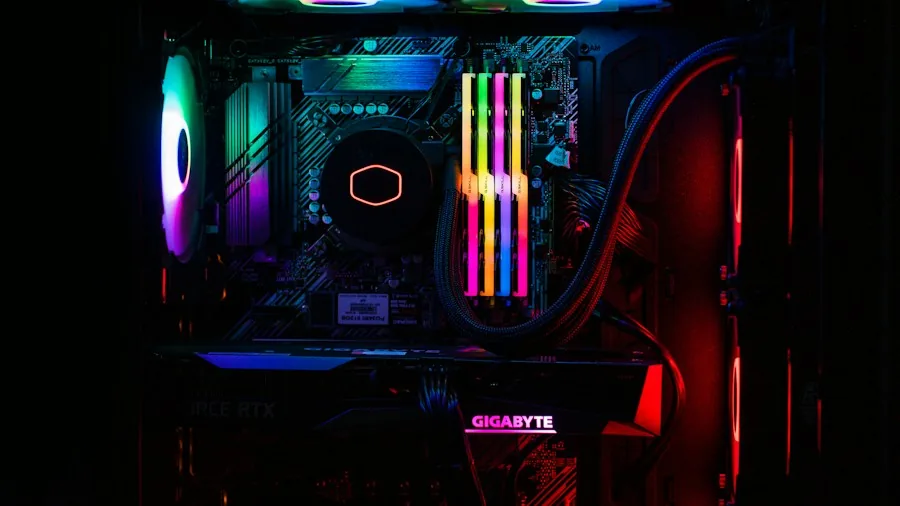
The PlayStation 5 Pro represents a mid-generation enhancement rather than a complete generational leap. AMD powers the custom processor at its core, featuring a notably upgraded graphics component. The GPU gained significant compute capability, jumping from 36 Compute Units to 60, while maintaining its foundation in the RDNA 2 architecture with select enhancements borrowed from the newer RDNA 3 generation, particularly improvements to ray tracing capabilities.
The CPU itself remains largely consistent with the original PlayStation 5 design, though Sony enhanced the maximum operating frequency to 3.85 GHz. The processor maintains eight cores and 16 threads, built on the same Zen 2 architecture that powered the console at launch.
Desktop CPUs That Match PlayStation 5 Pro Specifications
When looking for desktop processors that offer similar core counts and architectural heritage, two chips stand out as the closest parallels to what powers the PlayStation 5 Pro. The AMD Ryzen 7 3700X and Intel Core i7-10700K both emerged from the same era of processor development and share the eight-core, 16-thread configuration of the PlayStation 5 Pro.
The Ryzen 7 3700X carries particular relevance because it shares AMD’s Zen 2 lineage with the console’s CPU, making it architecturally aligned. The Intel Core i7-10700K, based on Intel’s 10th-generation Comet Lake architecture, directly competed with these AMD processors when both debuted. Both chips represent the closest desktop equivalents available, though direct comparison requires careful consideration of the differences between console and PC environments.
On paper, these desktop processors appear comparable to the PlayStation 5 Pro CPU. In reality, they deliver considerably more processing power. The Ryzen 7 3700X reaches boost speeds up to 4.4 GHz, while the Intel chip pushes to 5.10 GHz, substantially higher than the PlayStation 5 Pro’s maximum of 3.85 GHz. Cache pools also dwarf the console’s allocation, with the Ryzen 7 3700X offering 32MB of L3 cache compared to the PlayStation 5 Pro’s 8MB of shared L3 cache.
Modern PC Alternatives Worth Considering
For buyers willing to step away from direct architectural matching, newer processors offer compelling advantages despite having fewer cores. The AMD Ryzen 5 5600 and Intel Core i5-12400F both feature six cores and 12 threads, representing a step down from the PlayStation 5 Pro’s core count. However, these modern processors benefit from significantly improved manufacturing processes and architectural innovations that deliver substantial generational improvements.
These newer chips pack more performance into fewer cores, consume less power, and require less sophisticated cooling solutions than their older counterparts. For shoppers balancing budget constraints with gaming ambitions, game consoles and mid-range PC alternatives present different value propositions worth analyzing based on individual preferences and game libraries.
The Console Advantage Nobody Discusses
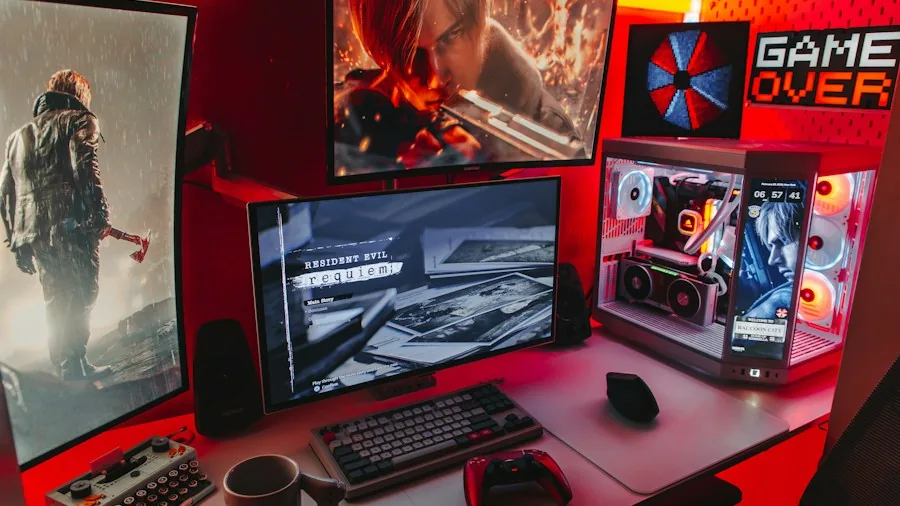
Comparing console and desktop CPU performance requires understanding fundamental architectural differences that create misleading impressions of equivalency. The PlayStation 5 Pro operates within a tightly controlled, gaming-focused environment running a lightweight operating system. Developers allocate the vast majority of processing capability directly to game logic, creating efficiency that raw specifications cannot convey.
Desktop systems shoulder entirely different burdens. Windows and other operating systems consume processing resources through hardware drivers, system services, and application programming interfaces like DirectX 12. This overhead, commonly referred to as the OS tax, diverts CPU cycles away from games themselves. The code bloat inherent in modern operating systems compounds this efficiency gap substantially.
Architectural design amplifies this advantage further. The PlayStation 5 Pro integrates its CPU and GPU on unified silicon, granting both processors instant access to a shared memory pool. PC systems must follow a more circuitous path: copying data to system RAM, processing through the CPU, then transferring results to GPU memory via PCIe lanes. This multi-step process introduces significant latency compared to the console’s unified approach.
Development Flexibility vs. Optimization Depth
The fixed hardware target of the PlayStation 5 Pro allows developers to optimize code exhaustively over years, squeezing performance levels that flexible PC development simply cannot achieve. Console developers understand every hardware quirk and limitation, enabling them to work around constraints through clever programming. PC game development must accommodate countless hardware configurations, preventing such deep optimization and requiring more general approaches.
Shoppers considering gaming investments should recognize that the PlayStation 5 Pro’s higher price now positions it at the premium tier of gaming hardware. For those evaluating alternatives, portable SSDs for storage expansion and other peripheral investments become relevant considerations when building a complete gaming setup. The question becomes not just whether to buy a particular console or PC, but how to allocate your gaming budget across hardware, games, and accessories that will deliver the best long-term value for your preferred gaming style.
About the author
Serenity covers home game consoles for REMOVU, weighing performance, exclusive libraries, and the ecosystem each platform locks you into. She helps players pick the console that fits how and what they play.