Older Compact Mirrorless Cameras Outshine 2026 Launches: What This Means for Shoppers
Surprising sales data reveals that proven compact models are winning over new flagship releases.
 By Lawrence Hale
Updated November 16, 2026
The Unexpected Sales Leader in October
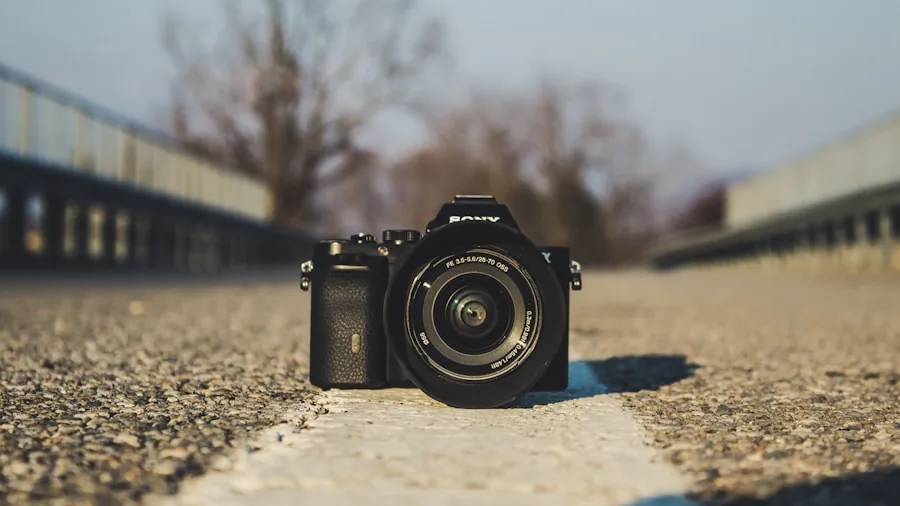
When major camera launches flood the market, you’d expect newer models to dominate sales charts. Yet at a leading Japanese camera retailer, the story in October told a different tale. The best-selling mirrorless cameras weren’t the fresh 2026 releases, but rather two three-year-old compact bodies from Sony: the A7C II and the A6700. This surprising trend offers valuable insight into what consumers actually want when shopping for a mirrorless camera.
The Sony A7C II, which launched in 2023, continues to attract photographers with its combination of a full-frame sensor packed into a compact body. In a market increasingly focused on travel-friendly gear and portable photography solutions, the A7C II’s design philosophy remains highly relevant. Close behind it, the Sony A6700 leverages an APS-C sensor for an even more portable form factor while delivering superior autofocus performance and faster operation compared to earlier crop-sensor models like the A6400.
Canon’s New Entry-Level Model Ties With an Older Flagship

Perhaps the most telling comparison emerges when examining Canon’s presence on the rankings. The brand’s newly launched EOS R8 Mark II sits tied with the R6 Mark II, a camera from 2022 that has since been superseded by the Mark III. This pairing raises an important question for buyers: sometimes purchasing an older, higher-tier model makes more financial and practical sense than buying the newest entry-level option.
The R6 Mark II commands only about $100 more than the R8 Mark II in the US market, making the price gap minimal. In exchange, the older mid-tier model delivers dual SD card slots, extended battery life, faster mechanical shutter performance at high speeds, and an additional half-stop of image stabilization. The R8 Mark II’s primary advantage centers on its lighter weight and more compact design, appealing to photographers who prioritize portability. For many shoppers, the R6 Mark II’s durability features and performance capabilities justify the modest price premium.
A Wave of Compact and Retro Designs
Beyond the market leaders, the broader top-ten list reveals a clear consumer preference for compact designs and lighter gear. The OM System PEN, a newly refreshed iteration of a classic line, claimed fifth place. This retro-styled camera brought weather sealing and in-body stabilization to mirrorless cameras worth buying for under $1000, making it an accessible entry point with professional-grade durability features. The model proved so popular at launch that the manufacturer delayed order fulfillment in Japan, underscoring its demand among photographers.
Nikon’s Z5 II ranked sixth, maintaining its position as an affordable full-frame alternative even as the company introduced the more compact Z5 IIC. The Sigma FP2, announced at the end of October, rounds out the notable launches. Despite being the world’s smallest full-frame mirrorless body, the FP2 landed in ninth place, suggesting that while extreme compactness appeals to a niche audience, photographers still prefer viewfinder-equipped bodies for general use.
Older Models Continue to Compete Effectively

Interestingly, several older camera bodies outperformed their newer successors on the sales chart. The Sony A7 IV ranked seventh, with the newer A7 V following in eighth place. Sony strategically maintains older models in its lineup as budget options, creating direct competition with entry-level alternatives like the Canon EOS R8 Mark II and Nikon Z5 II. This approach gives shoppers flexibility to choose between recent technology or proven, established designs.
The Fujifilm X-M5, the brand’s most compact and affordable option, rounds out the top ten. This model deliberately omits a viewfinder to maximize portability and appeals to content creators and vloggers who prioritize compact dimensions and lightweight operation. Looking across the entire rankings, a clear pattern emerges: photographers across skill levels prioritize portability, compact form factors, and established reliability over bleeding-edge technology.
What Shoppers Should Consider
For anyone evaluating a mirrorless camera purchase, this sales data provides valuable guidance. The dominance of compact bodies and older models suggests that flagship specifications and launch timing matter less than practical features like size, weight, battery efficiency, and proven autofocus performance. If you travel frequently, prefer lightweight gear, or prioritize reliability over the newest technology, a compact model from 2023 or earlier may serve your needs better than the latest entry-level release.
The price difference between current and previous generations often proves modest, while the practical benefits of established reliability and time-tested performance can be substantial. As camera technology has matured, the generational gap in real-world image quality and functionality has narrowed significantly. This market reality explains why photographers continue choosing compact older models over flagship newcomers: they deliver proven results at reasonable prices without requiring last year’s specifications.
About the author
Lawrence covers mirrorless and DSLR cameras for REMOVU, weighing image quality, autofocus, and lens ecosystems. He helps photographers choose a body they can grow with.