Apple Launches iPhone Health AI Study for 200,000 Users: What Shoppers Need to Know
Apple is testing a groundbreaking AI health app with 200,000 iPhone users. Here's what it does and who can join.
 By Eleanor Garcia
Updated November 16, 2026

Apple has unveiled a groundbreaking initiative that brings artificial intelligence into personal health management. The company introduced a new iPhone application designed specifically to advance how consumers interact with AI when discussing medical history and wellness concerns. This limited-access program signals an important shift in how smartphones are being leveraged for health research and consumer insights.
What Is Apple’s New Health AI Study
The Apple Health AI Usage Study represents a collaboration between Apple and clinical research platform OpenEvidence. It is exclusively available on iPhone devices running iOS 26 or later that have Apple Intelligence capabilities enabled. For now, Apple is restricting participation to 200,000 people aged 21 and older, making this a carefully controlled research initiative rather than a broadly available tool.
The program allows enrolled participants to share their HealthKit data, including activity levels, sleep patterns, and heart rate information. In return, they can interact with an Apple Intelligence powered chatbot that provides personalized health guidance and can discuss medical questions in straightforward, accessible language. The app can also help people prepare for doctor’s visits by organizing questions they want to ask their healthcare providers.
Key Features and Capabilities
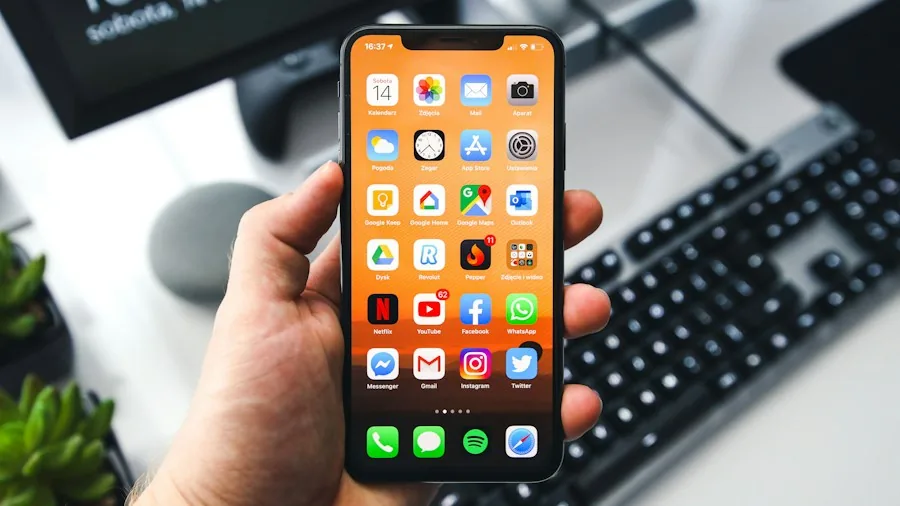
Users in the study will be able to ask the AI assistant everyday health questions and explore medical diagnoses with explanations they can actually understand. One particularly useful feature allows the app to review previous conversations and compile outstanding questions into an organized list ready for a physician consultation. This preparation tool addresses a common frustration many people experience when trying to remember everything they wanted to discuss during limited appointment time.
The integration with HealthKit data means the AI chatbot can offer more specialized and personalized responses. Rather than providing generic health information, it can reference a user’s specific activity and sleep patterns when offering recommendations. This level of personalization could make health guidance feel more relevant and actionable for individual circumstances.
Important Limitations and What Users Should Know
Apple has been explicit about what this tool cannot do. The company emphasizes that the Health AI Usage Study is not a substitute for professional medical advice and cannot diagnose conditions. Anyone who enrolls must understand that consultation with an actual doctor or clinician is necessary for addressing health concerns or verifying medical information.
This distinction is critical for shoppers considering enrollment. The app functions as a supplementary resource that can help people think through health questions, organize their concerns, and prepare for professional medical consultations. It is not designed to replace the clinical expertise, diagnostic capability, or personalized assessment that only qualified medical professionals can provide.
What This Means for iPhone Users and the Broader Market
Sumbul Desai, Apple’s VP for health and fitness, noted that the company chose a dedicated research study approach as the most thoughtful way to understand how people interact with health-focused AI in real-world situations. The insights Apple gathers will contribute to broader scientific conversations about health technology and help inform how the company builds future wellness tools that consumers can trust.
For smartwatch and iPhone users who already rely on their devices for health tracking, this development represents a natural evolution. Apple has steadily expanded its health capabilities over multiple product generations, and this AI initiative demonstrates the company’s commitment to making those features more intelligent and conversational.
The limited rollout to 200,000 people suggests Apple is taking a measured approach to AI health features. Rather than launching broadly and potentially facing quality or safety concerns, the company is gathering real-world data about how people communicate with AI about sensitive health topics. This research could ultimately lead to more thoughtful, safer health AI features across Apple’s device ecosystem.
Implications for Shoppers Considering iPhone
For consumers evaluating whether to choose an iPhone, this program signals Apple’s direction toward more sophisticated AI integration in everyday health management. While most shoppers will not be part of this initial study, knowing that Apple is actively researching health AI could influence perceptions of the platform’s future capabilities.
Those who want to participate should understand they are contributing to research that will shape how Apple and other companies think about health technology going forward. Participation means agreeing to share health data for research purposes and accepting that the tool is experimental and not a medical device.
The initiative also reflects broader industry trends toward AI personalization. Just as wireless earbuds and accessories have become more intelligent and adaptive, health software is following the same trajectory. Apple’s methodical approach to this transition demonstrates how consumer-focused companies are thinking carefully about introducing AI into sensitive personal domains like health.
As Apple continues this research and gathers feedback from study participants, consumers can expect the company to gradually roll out similar health AI capabilities to its broader user base. The insights generated from this 200,000-person study will likely inform those future releases and help Apple develop health features that are genuinely useful, trustworthy, and appropriately scoped within the limits of AI technology.
About the author
Eleanor covers smartphones for REMOVU, balancing cameras, battery life, and software support against price. She helps readers find the best value as the field shifts with every release.