Acer Predator Atlas 8 Launch: What PC Gamers Need to Know About the Steam Deck Rival
Intel's latest gaming chip meets affordability in Acer's new handheld. Here's what shoppers should know.
 By Levi Carlson
Updated November 16, 2026
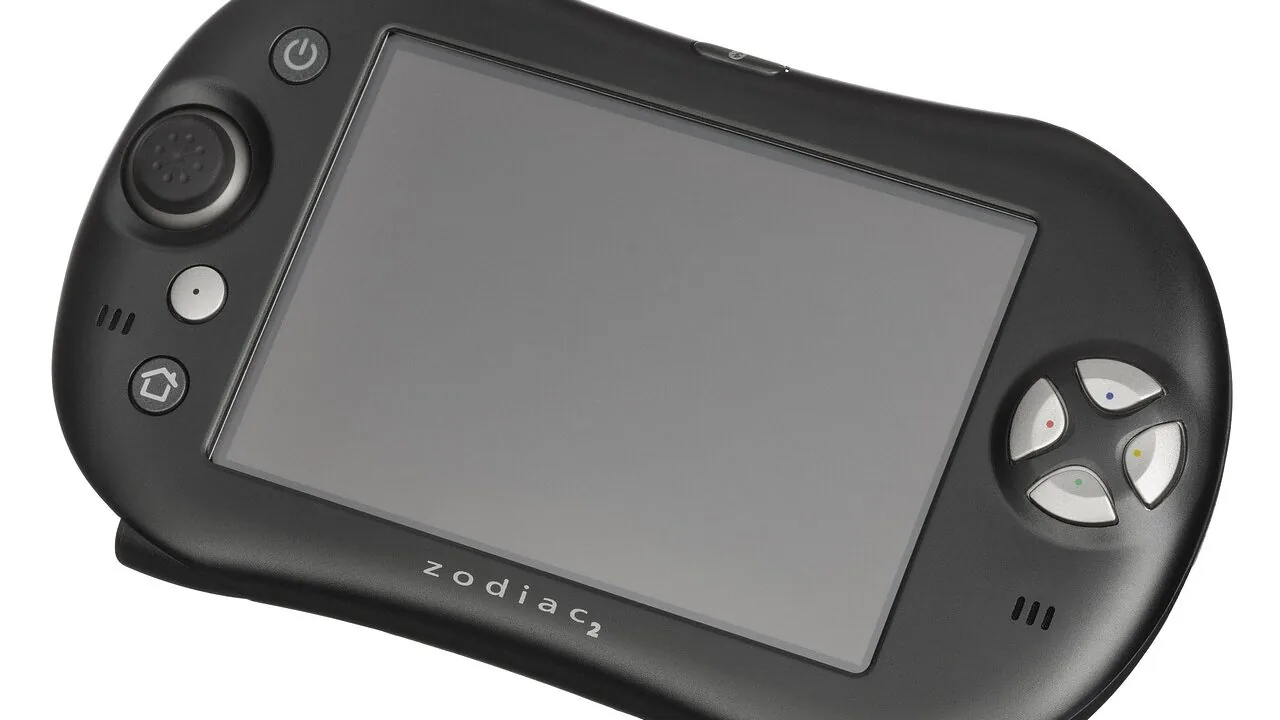
The portable PC gaming market just got more competitive. Acer’s new Predator Atlas 8 handheld brings Intel’s cutting-edge Arc G3 Extreme processor to gamers seeking a Steam Deck alternative, and the pricing strategy marks a significant shift in how manufacturers approach premium portable gaming devices.
Pricing and Market Position
Acer launched the Predator Atlas 8 at $1,299.99, undercutting competing Intel-based handhelds by hundreds of dollars. The MSI Claw 8 EX AI+, which uses the same processor, costs $1,799. However, Acer raised the Atlas 8’s price to $1,449.99 less than two weeks after launch. Despite this increase, it remains the most affordable option among premium handheld gaming systems featuring the Arc G3 Extreme chip. For budget-conscious gamers upgrading from older handhelds, this price positioning matters significantly.
Display Technology That Challenges OLED Expectations
The Atlas 8 features an 8-inch IPS display with 1920×1200 resolution, 120Hz refresh rate, and 500 nits brightness. While many assume OLED is the only way to game on portable devices, this IPS panel demonstrates compelling alternatives. The screen delivers full sRGB color coverage and maintains vibrant visuals outdoors with minimal glare. The included anti-glare protector provides extra insurance, though real-world usage suggests it’s optional rather than essential. Gamers prioritizing raw performance over display technology will find this IPS solution entirely adequate.
Performance and Gaming Results
Intel’s Arc G3 Extreme GPU, featuring 12 Xe cores and XeSS 3 frame generation, delivers measurable improvements over previous portable gaming chips. Running Cyberpunk 2077 with ray tracing enabled on battery power produces 99.4 FPS average performance. Switching to AC power and turbo mode pushes this to 105 FPS. With aggressive frame generation enabled, the handheld reaches 167 FPS in demanding titles. Lighter indie games consistently achieve four to five hours of continuous play, making the device versatile across the gaming spectrum.
Build Quality and Ergonomic Comfort
The fused grip design feels natural and comfortable during extended gaming sessions. Unlike some handhelds that flex or creak under normal handling, the Atlas 8 maintains structural rigidity throughout its frame. All controls sit within easy reach, and the button layout accommodates both casual and competitive gamers. The D-Pad design represents the only control compromise, featuring a scooped face that lacks prominent markers. The dual analog sticks use Hall Effect technology to eliminate physical wear points, virtually eliminating drift concerns. Controller design significantly impacts long-term gameplay enjoyment, and the Atlas 8 succeeds in most categories.
Thermal Management and Noise Levels
Acer engineered the cooling system effectively. Air intake vents on the back direct fresh air away from your hands, while exhaust exits along the top of the device. During stress testing, CPU temperatures leveled around 62 degrees Celsius while GPU stayed near 68 degrees. The dual fans remain relatively quiet even under full load, and the handheld itself stays cool to the touch. This engineering prevents the uncomfortable heat buildup that plagues some competing models.
Connectivity and Audio
Dual Thunderbolt 4 ports provide flexible charging, video output, and accessory connectivity. The addition of Wi-Fi 7 and Bluetooth 5.4 ensures fast, stable wireless connections. The 3.5mm audio jack and microSD card reader round out physical connectivity. Regarding audio quality, the dual 2W front-firing speakers deliver adequate volume for portable gaming, though audio quality exhibits some thinness at lower volumes and distortion when pushed to maximum. Headphones or external speakers improve the listening experience for music-heavy games.
Battery Life Realities
Battery performance depends significantly on power settings. Using Acer’s presets, the 80Wh battery delivers approximately two hours in demanding benchmarks. Manual power limit adjustments can extend this to four or five hours for less demanding titles. The difference between Acer’s standard Quiet mode (25W) and manual optimization (10W) accounts for meaningful runtime improvements. Shoppers comfortable adjusting technical settings gain substantially better battery performance than those relying on factory presets alone.
Software Experience
Acer’s PredatorSense software provides extensive performance customization but exhibits occasional bugs. The app sometimes requires system restarts, and interface elements occasionally interfere with Windows settings. Xbox mode runs smoothly for game library navigation, though the overall experience doesn’t quite match SteamOS on competitive devices. These software quirks don’t significantly detract from overall functionality, but they represent areas where future updates could improve user satisfaction.
Who Should Buy and Who Should Wait
The Predator Atlas 8 makes sense for gamers prioritizing raw performance at reasonable pricing. Those willing to invest in external power solutions for extended portable sessions maximize the device’s value proposition. Conversely, gamers who absolutely require OLED displays or prefer established SteamOS ecosystems should evaluate alternatives. Intel’s gaming performance leap is genuine and meaningful, making the Atlas 8 a legitimate choice for serious portable PC gamers balancing budget constraints with performance ambitions.
About the author
Levi writes about handheld gaming consoles for REMOVU, weighing processing power, battery life, and library depth. He helps players pick a handheld that fits both their backlog and their commute.