Nvidia RTX 5000 Series Chip Shortage Rumor Debunked: What This Means for GPU Buyers
Palit confirms Galax continues operating normally despite RTX 5000 chip shortage rumors.
 By Katrina Dean
Updated October 28, 2026
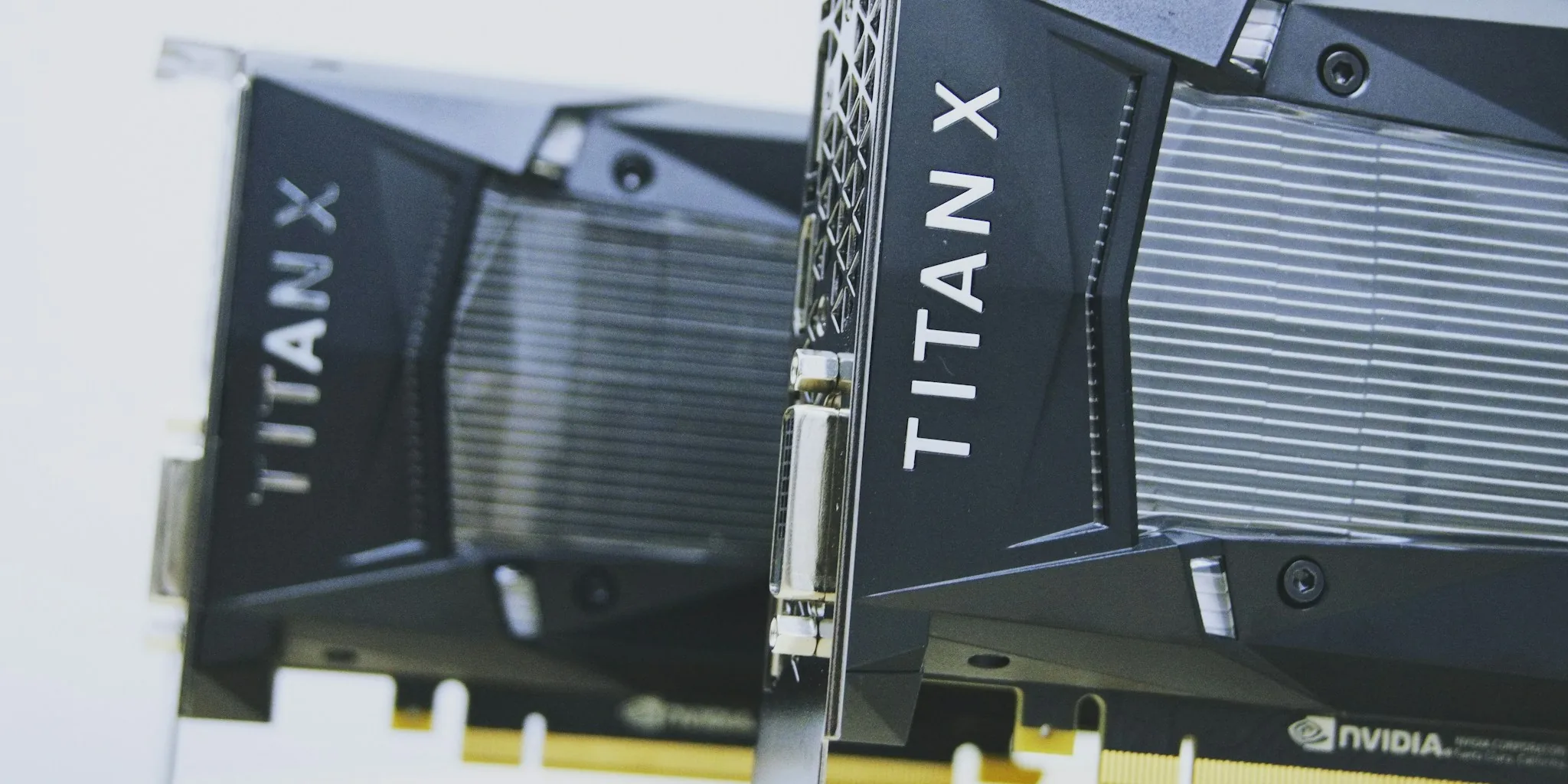
Palit Denies Factory Closure Over Chip Supply Issues
Graphics card manufacturer Palit recently issued a formal statement addressing widespread speculation about a potential factory shutdown affecting its Galax brand. The company confirmed that no manufacturing facilities have closed, production continues normally, and Galax products remain widely available across domestic and international markets. This denial comes as the second major clarification Palit has needed to issue this year regarding Galax’s operational status.
The rumors originated from a report by a Spanish technology outlet, which cited unnamed industry sources claiming that Palit was shutting down Galax production due to insufficient supplies of Nvidia’s RTX 5000 series chips. However, the timing of these claims raised immediate questions, particularly since Galax had just launched the GeForce RTX 5080 HOF Extreme, marking the world’s first RTX 5080 graphics card equipped with dual 16-pin connectors.
Why the Rumor Seemed Credible to Many
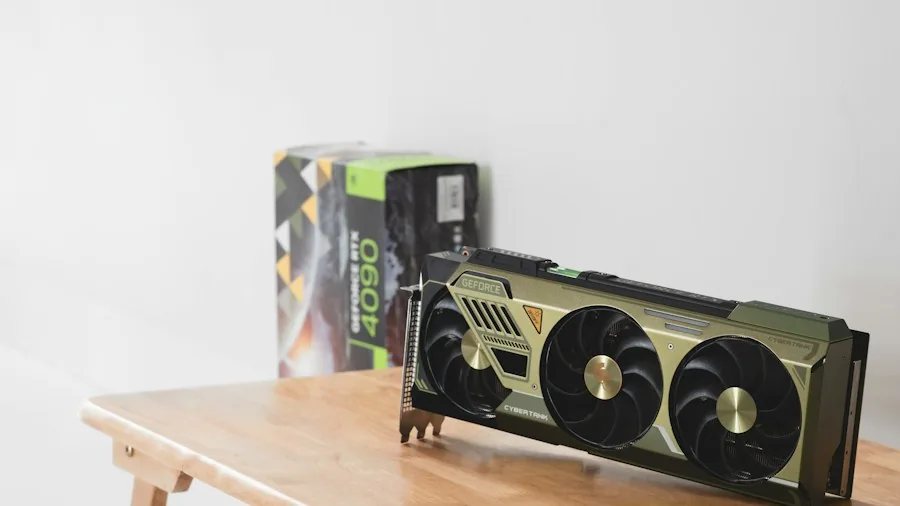
Understanding why this story gained traction requires looking at broader industry trends. Nvidia has been widely suspected of prioritizing its GB202 chip, the core component powering the RTX 5090, to fulfill more lucrative orders for professional RTX Pro Blackwell-based models. Additionally, reports had circulated suggesting the RTX 5090 flagship was being discontinued entirely, though Nvidia officially denied those claims.
The credibility of the shutdown rumors was further bolstered by Galax’s complicated operational history in 2024. Earlier in April, the brand faced similar speculation when Palit underwent a significant organizational restructuring. During this transition, Galax operations moved directly under Palit Group headquarters in Taiwan, causing confusion about the brand’s future. At that time, Palit clarified its commitment to continuing development, production, and ongoing support for the Galax, KFA2, and HOF product lines as part of its strategy to strengthen its market position in the discrete graphics processing unit sector.
The Broader Context: AI Chip Demand and Pricing Pressures
Beneath these surface-level rumors lies a deeper reality affecting the entire graphics card market. The artificial intelligence sector’s explosive growth has created unprecedented demand for memory chips and processors, triggering what many describe as an AI-driven memory chip crisis. This situation has pushed graphics card prices to levels that would have seemed unthinkable just years ago.
Consider the RTX 5090: the flagship model from Nvidia now regularly sells for more than $9,000 on the secondary market, a staggering increase from its $2,000 manufacturer’s suggested retail price. These extreme markups reflect genuine scarcity and allocation challenges that GPU makers face. When shopping for the best gaming PCs for every budget and playstyle, consumers immediately notice how chip availability directly impacts pricing and availability.
Graphics card manufacturers like Palit and Galax find themselves in an extremely competitive environment. They must secure adequate chip supplies from Nvidia while managing production schedules and meeting customer demand. When supplies tighten or rumors suggest further restrictions, the financial pressure on these companies intensifies, creating fertile ground for speculation.
What This Means for GPU Shoppers Right Now
For consumers actively shopping for graphics cards, the Palit statement offers reassurance about supply continuity. Galax’s recent product launches, including the RTX 5080 HOF Extreme, indicate that the brand continues receiving chip allocations from Nvidia and remains committed to bringing new products to market. This contradicts the notion that the company faced operational paralysis due to supply shortages.
However, the underlying chip shortage dynamics remain real and consequential for buyers. Supply constraints continue affecting pricing across the entire GPU market. Those searching for the best prebuilt gaming PCs for every budget and build will find that configurations featuring current-generation graphics cards command significant premiums compared to systems with older hardware.
The situation also highlights why new chip manufacturing technology promises future price relief represents such important news for the consumer technology sector. As production capacity expands and manufacturing processes improve, shoppers can expect more stable pricing and easier availability of high-performance graphics cards.
Looking Forward: Expect More Clarity from Nvidia and Manufacturers
Palit’s denial of the shutdown rumors should encourage consumers who worry about the long-term viability of their preferred GPU brands. Major manufacturers have repeatedly demonstrated commitment to continuing production and support, despite short-term supply challenges. The false rumors that periodically circulate often stem from legitimate supply tensions that get distorted as they spread through industry channels.
For now, graphics card shoppers should monitor official announcements from both Nvidia and board partners like Palit and Galax. Product launches continue regularly, inventory gradually improves compared to the acute shortages of previous years, and competition between manufacturers helps moderate extreme price increases. While chip availability remains constrained by AI sector demand, the manufacturers involved have shown they intend to navigate these challenges rather than exit the market.
About the author
Katrina covers graphics cards for REMOVU, tracking gaming performance, features, and value as prices shift with every launch. She helps builders find the right GPU for their resolution and budget.