New Coil Whine Database Helps Graphics Card Shoppers Identify Noisy Hardware
Community-powered tool reveals which graphics cards and PC components generate problematic coil whine noise.
 By Katrina Dean
Updated September 2, 2026
By Katrina Dean
Updated September 2, 2026

Community Project Launches to Track Problematic Graphics Cards and Components
If you have ever installed a new graphics card and heard an annoying buzzing sound while gaming or during idle operation, you’ve experienced coil whine. This phenomenon has long frustrated PC builders, but identifying which specific models are prone to the issue has been nearly impossible. Now, a new open-source database is changing that landscape by letting the community report and track graphics cards and other components that exhibit this unwanted noise.
Lowell K. Wood IV of TechFuelHQ created the Coil Whine Database to address a gap that manufacturers have never adequately filled. Rather than relying on manufacturer testing or scattered anecdotal reports on forums, the database aggregates verified reports from actual users about which graphics cards, power supplies, and liquid cooler pumps generate coil whine. This crowdsourced approach gives shoppers a centralized resource to check before committing hundreds of dollars to a component.
How Coil Whine Happens and Why It Matters
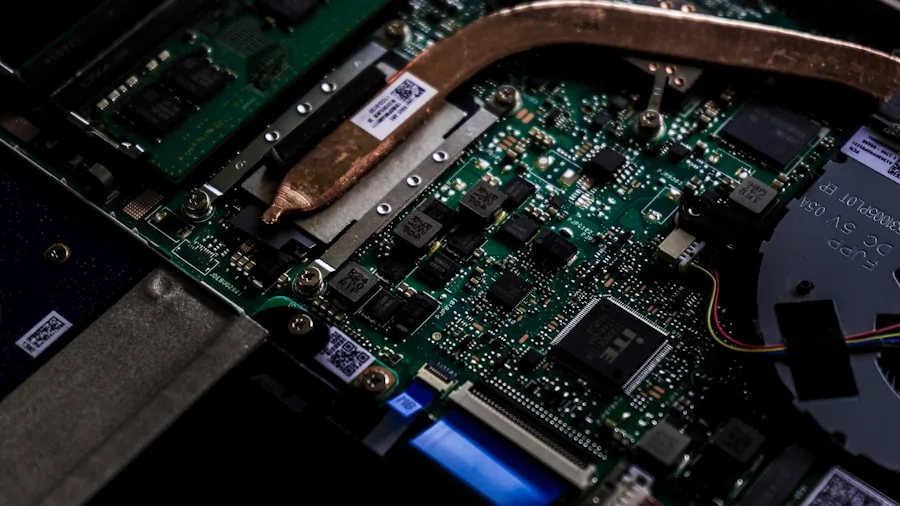
Coil whine originates from vibration in electronic components that switch states at high frequencies. The sound typically comes from inductors, transformers, chokes, and ceramic capacitors experiencing physical oscillation as electrical current flows through them. While the noise is often subtle, human ears are tuned to detect mid-range frequencies, making a coil whine sound far more bothersome than its decibel level suggests. For some users, this buzzing becomes an irritating background presence that degrades the experience of their expensive new hardware.
The frustrating reality is that price provides no protection. Premium graphics cards and high-end power supplies can suffer from coil whine just as readily as budget models. Manufacturers conduct quality control, but coil whine remains difficult to predict or prevent without redesigning components, and most companies simply accept it as an industry-standard issue. For consumers investing in graphics cards under $500 or more expensive options, the lack of transparency about which specific units are problematic has meant playing the luck-of-the-draw game during purchase and return windows.
How the Database Works and Why Completeness Matters
The Coil Whine Database accepts submissions through a straightforward online form, allowing users to report their experiences with specific products. Reporters identify the component brand, exact product model, SKU, and purchase year, then rate the severity of coil whine on a scale from zero (silent) to four (audible at idle). They also specify the conditions under which the noise appears, whether during gaming, in uncapped menu screens, under full load, or at rest.
A crucial aspect of the database design is its emphasis on reporting silent units alongside noisy ones. Wood recognized that upset owners naturally overreport problems while satisfied customers rarely volunteer feedback. Without balanced data, the database would create a misleading impression of failure rates. The project requires at least five reports before calculating a verdict for any component, and published percentages represent a ceiling figure, not a precise estimate. For instance, equal reports of noise and silence do not confirm a fifty percent failure rate; they simply indicate how many reports were collected.
This methodological rigor separates the Coil Whine Database from casual forum complaints. By tracking both positive and negative experiences, the project builds credibility and prevents the amplification bias that normally skews consumer perception of component reliability.
What This Means for Graphics Card Shoppers
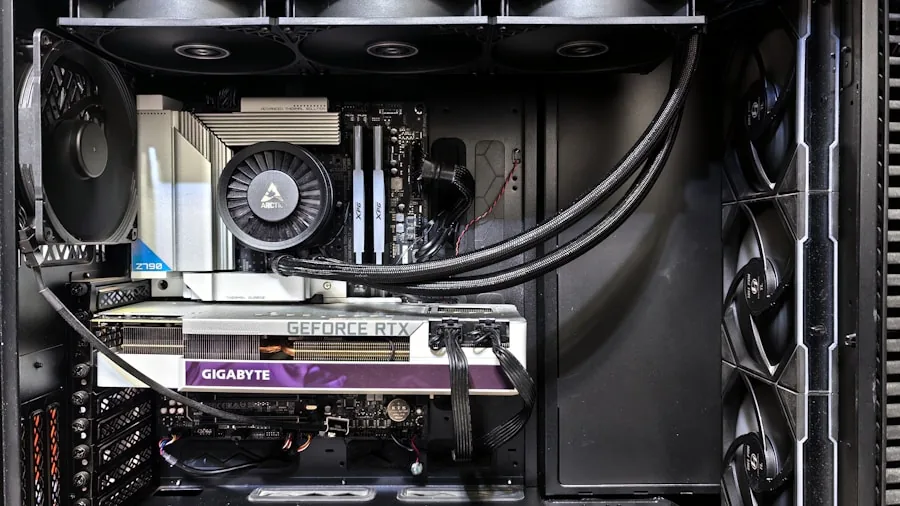
Shoppers researching graphics cards under $300 or premium models now have an additional resource to inform their decisions. Before purchase, buyers can cross-reference their intended graphics card model against the database. If a particular SKU shows a high volume of coil whine reports, shoppers can consider alternatives or prepare psychologically for potential noise. Conversely, if a model has numerous silence reports, that provides genuine reassurance backed by actual user experiences.
The database also serves a broader quality-control function. When manufacturers see their models accumulating noise reports, pressure builds to address the issue in future revisions. The transparency created by community reporting can influence product engineering decisions that might otherwise remain invisible to consumers. Wood’s project complements his other open-source initiatives, including a GPU undervolt database and PC builder tool, demonstrating a commitment to improving consumer access to hardware knowledge.
Contributing and Watching the Project Grow
The Coil Whine Database accepts submissions through an online form, with options for technical users to submit pull requests directly on GitHub. As more reports accumulate, the database promises to become increasingly useful for purchase decisions. Early contributors play a crucial role in establishing the initial dataset that will guide millions of future buyers.
For PC builders frustrated by the acoustic characteristics of their equipment, or potential buyers seeking to avoid coil whine altogether, this community-powered resource offers hope. Rather than accepting component noise as an inevitable mystery, the database brings transparency, data-driven decision making, and user voices directly into the shopping process.
About the author
Katrina covers graphics cards for REMOVU, tracking gaming performance, features, and value as prices shift with every launch. She helps builders find the right GPU for their resolution and budget.