Motorola Moto Buds Ultra 27 Challenge AirPods with Bose Sound and Advanced AI
New Moto Buds Ultra 27 combine premium sound, AI translation, and gesture controls for the wireless earbud market.
 By Valerie Gomez
Updated November 5, 2026
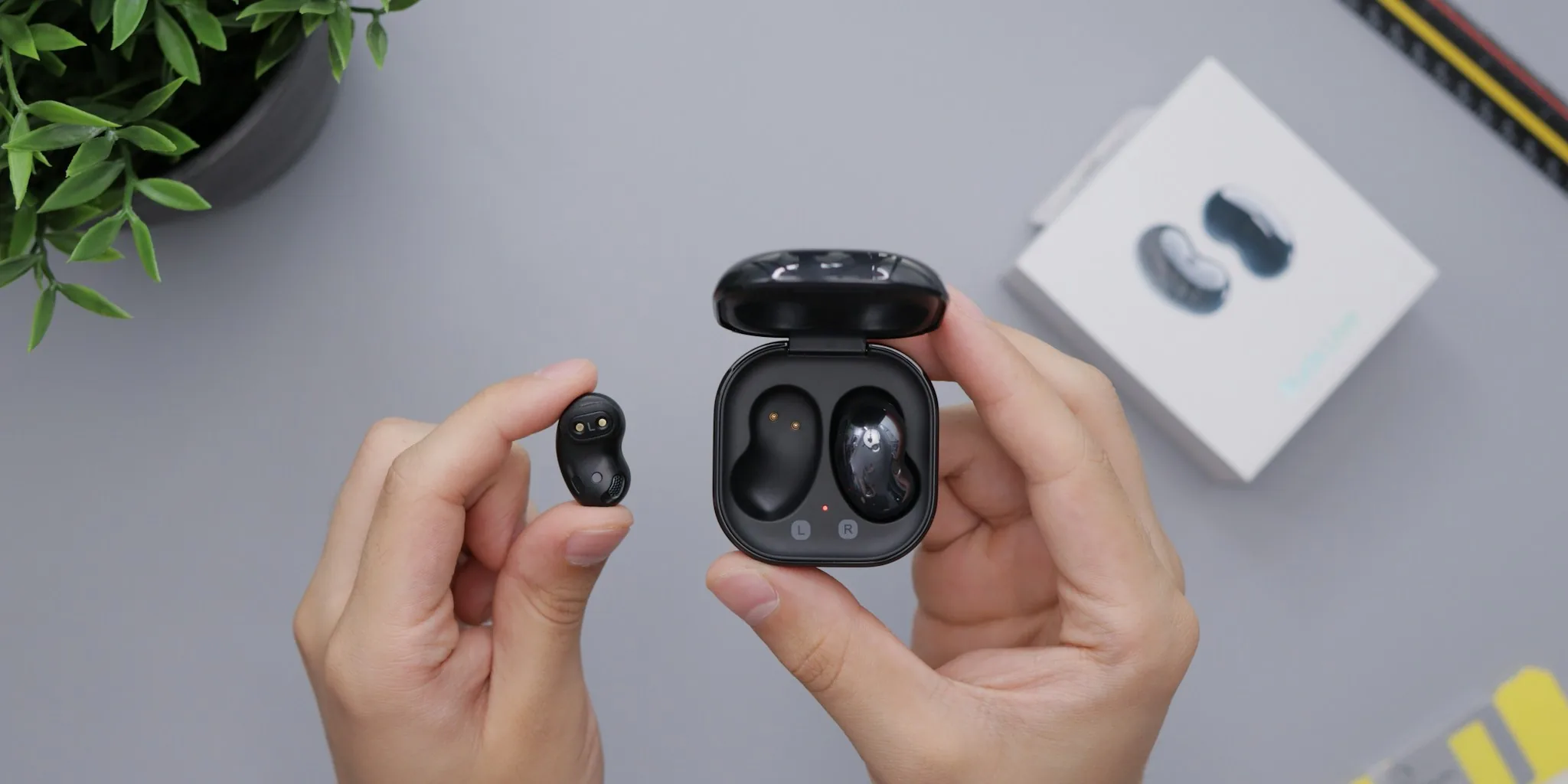
Motorola continues its push into premium audio with the launch of the Moto Buds Ultra 27, a new set of wireless earbuds designed to compete directly with established leaders like Apple’s AirPods. The new earbuds combine Bose-tuned audio quality, intelligent noise cancellation, and AI-powered features that aim to give shoppers a compelling alternative in an increasingly crowded market.
What Makes These Earbuds Stand Out
The Moto Buds Ultra 27 pack impressive hardware at their core. Motorola equipped each earbud with dual drivers: an 11mm dynamic driver paired with a dedicated balanced armature that handles different audio frequencies separately. This configuration, combined with Bose’s proprietary SoundDesign tuning, promises rich and detailed sound across music, podcasts, and calls. For those who value audio quality, this dual-driver setup represents a meaningful step above many competitors in the wireless earbud space.
Noise management comes through Bose QuietControl ANC, which automatically adjusts to your environment rather than applying a static level of cancellation. Like premium wireless earbuds, the Moto Buds Ultra 27 also include a Transparency Mode that lets you hear your surroundings when needed, such as when you’re navigating traffic or need to hear announcements.
The earbuds support Hi-Res Audio, Dolby Atmos, and Dolby Head Tracking, though the latter two features require compatibility with Motorola’s flagship smartphones. Call clarity receives attention through a trio of high-SNR microphones and a dedicated Voice Pickup Unit in each bud, addressing a common frustration for remote workers and frequent phone users.
Battery Life and Durability Specs

Motorola rates the battery at up to eight hours per charge, with the included case providing an additional 29 hours of playback for a combined total of 37 hours. Wireless charging is included, eliminating the need to fumble with tiny charging cables. The earbuds carry an IP57 water and dust resistance rating, which should handle workouts, rain, and occasional submersion without issue. They also integrate with Google’s Find network, making them easier to locate if misplaced.
The AI Advantage

Beyond hardware specs, Motorola loaded the Moto Buds Ultra 27 with software features that directly compete with what Samsung and Apple offer. AI Live Translate allows users to hear real-time translations of conversations directly through their earbuds, though this feature requires a compatible Motorola phone running the translation app and language availability varies by region.
The earbuds also incorporate Motorola Qira integration, accessed by long-pressing the left bud to ask questions or request assistance. The company plans to introduce hands-free activation using a voice command in coming updates. Head Gestures represent another convenience addition, enabling users to answer or decline calls simply by nodding or shaking their head.
Additional features include Wear Detection to pause audio when you remove an earbud, Dual Connection for seamless switching between devices, and Audio Share to listen to the same content on multiple pairs of buds simultaneously. When paired with a compatible smartwatch, these earbuds become part of a broader ecosystem designed for modern wireless convenience.
What This Means for Shoppers
The arrival of the Moto Buds Ultra 27 signals that the wireless earbud market remains highly competitive and innovation-driven. For consumers weighing options, this release provides a premium alternative that doesn’t require purchasing into Apple’s ecosystem. The combination of Bose audio tuning, AI translation, and gesture controls addresses several pain points that mainstream users encounter with other earbuds.
The emphasis on audio quality through dual drivers and Bose’s engineering suggests Motorola is appealing to listeners who prioritize sound reproduction alongside convenience features. Meanwhile, AI-powered capabilities like real-time translation and voice assistance reflect where the industry is heading as large language models become more integrated into consumer hardware.
Price remains an important question for potential buyers. Motorola has not yet announced official US pricing or an exact release date, though the company confirmed the Moto Buds Ultra 27 will arrive in the United States in the coming months. Based on typical positioning for premium wireless earbuds with comparable features, expect pricing in the $150 to $250 range, though this is speculative until an official announcement arrives.
For shoppers evaluating wireless audio devices in the premium segment, waiting for confirmed pricing and availability details makes sense. Once available, side by side comparisons of specifications, user reviews from independent sources, and audio quality assessments will provide clarity on whether the Moto Buds Ultra 27 deliver on their promise to challenge AirPods and Galaxy Buds in real-world use.
The broader takeaway is that consumers now have more choices than ever in the premium wireless earbud category, with differentiation increasingly coming through specialized audio partnerships like Bose, advanced AI features, and ecosystem integration rather than just noise cancellation alone.
About the author
Valerie writes about wireless earbuds for REMOVU, comparing sound, battery life, call quality, and fit. She helps readers find the right pair from budget buds to premium ANC.