TTartisan 12mm f/2.8 Lens Arrives for Mirrorless Cameras: What Shoppers Need to Know
Extreme 122-degree wide angle, f/2.8 autofocus, and $489 pricing reshape ultra-wide optics accessibility.
 By Lawrence Hale
Updated November 25, 2026
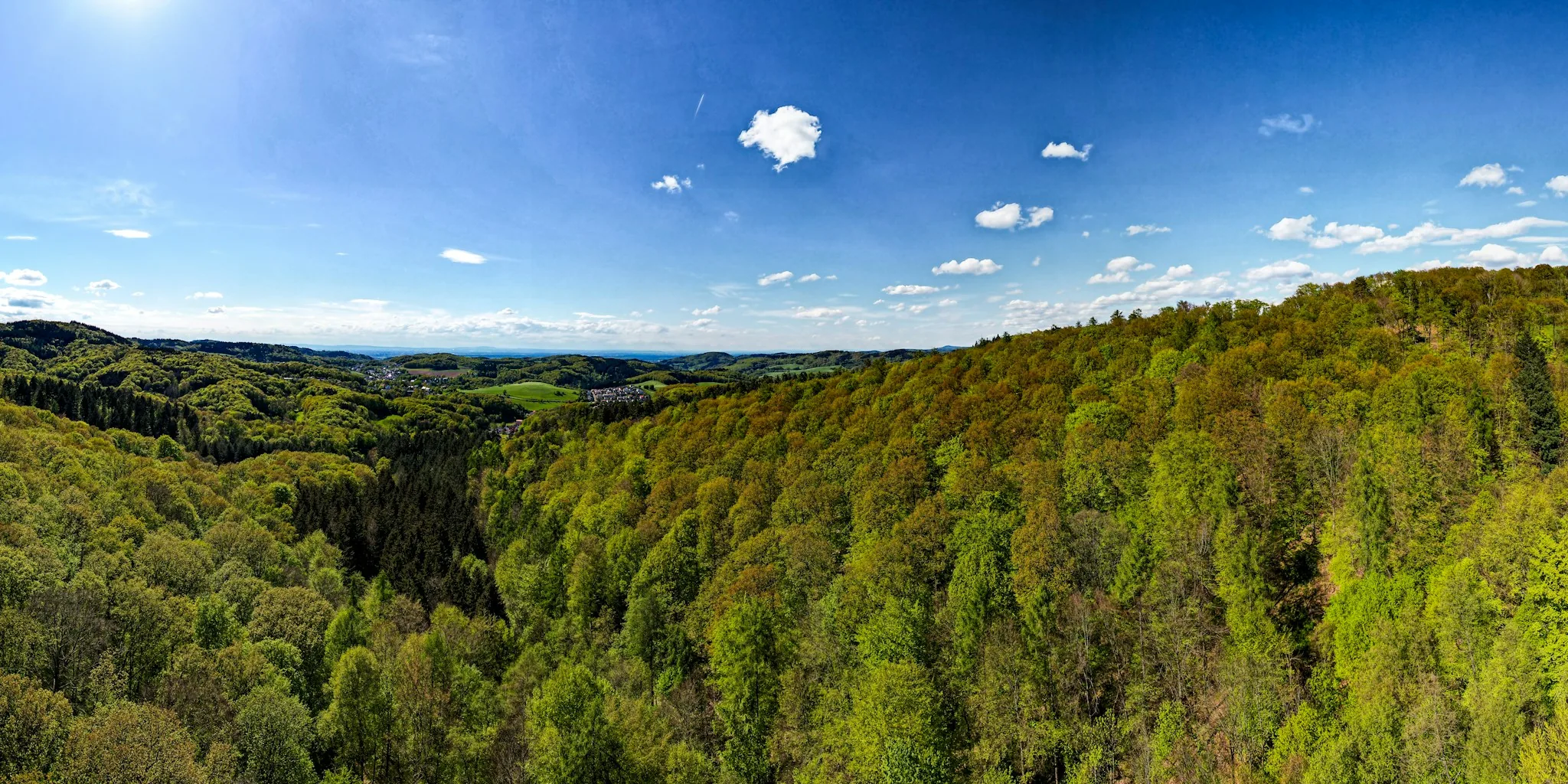
TTartisan has introduced a significant new option for mirrorless camera users seeking an ultra-wide angle lens without breaking the bank. The company’s latest offering, the TTartisan AF 12mm f/2.8, delivers exceptional width and affordability in a single package, reshaping what budget-conscious photographers can expect from premium wide-angle glass.
Extreme Wide Angle for Every Scenario
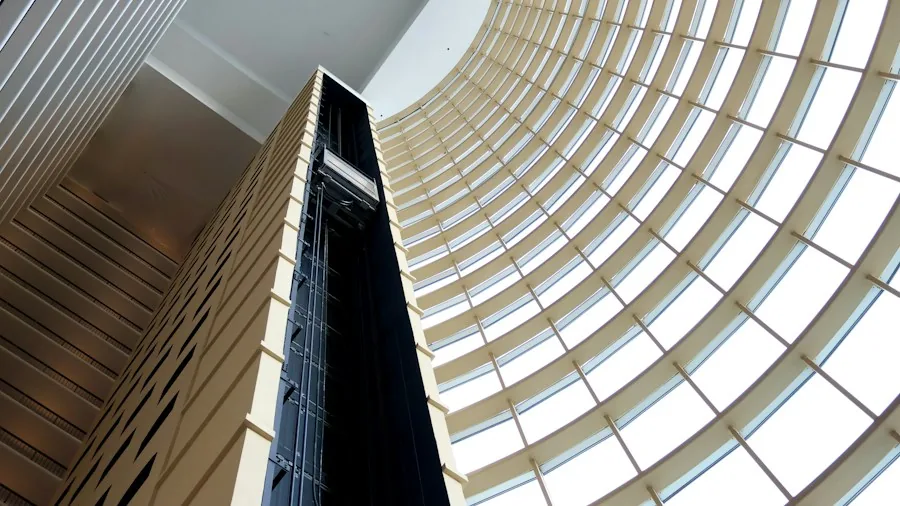
The defining feature of this lens is its remarkable 122-degree angle of view, an exceptionally wide perspective that opens creative possibilities across multiple genres. Photographers working on architectural interiors will appreciate the lens’s ability to capture expansive spaces within confined rooms. Beyond architecture, the extreme field of view makes it equally compelling for landscape and astrophotography work, where seeing as much of the sky as possible becomes essential. Night sky photographers, in particular, will find this focal length valuable for capturing sweeping vistas of the Milky Way or dramatic panoramic compositions of celestial events.
Pricing and Availability

The TTartisan AF 12mm f/2.8 carries a suggested retail price of $489, positioning it as an aggressive competitor in the ultra-wide category. This pricing undercuts similar offerings launched elsewhere in 2024, delivering what many will consider remarkable value for a lens with such an extreme focal length. The lens launches immediately in both Nikon Z and Sony FE mounts, ensuring compatibility with two of today’s most popular mirrorless camera systems.
Optical and Physical Specifications
Internally, the lens employs 16 optical elements organized across 10 groups, with a six-bladed aperture mechanism providing natural-looking bokeh when needed. The manual aperture ring features third-stop detents ranging from f/2.8 through f/16, offering precise control over depth of field and exposure. Despite its bulbous front element, the lens accepts 82mm filters, allowing photographers to add polarizing filters, neutral density glass, or graduated filters to their workflow.
Weight runs between 336 and 349 grams depending on mount selection, keeping the lens manageable for extended handheld shooting or travel work. The minimum focus distance of 18 centimeters means photographers can focus quite close to their subjects, enabling creative perspectives for environmental portraiture or detail work in architectural photography. This close focusing capability adds versatility beyond the lens’s primary ultra-wide application.
What This Means for Shoppers
The arrival of this lens represents meaningful progress in democratizing ultra-wide optics for mirrorless users. For roughly five hundred dollars, photographers gain access to focal lengths that previously demanded premium pricing or required settling for older, manual-focus designs. Mirrorless cameras worth buying for under one thousand dollars suddenly gain compelling wide-angle companions without consuming the entire budget.
The timing of this release matters significantly. As mirrorless camera adoption continues expanding among both enthusiasts and professionals, the ecosystem of affordable, high-performance glass has lagged behind. This TTartisan offering directly addresses that gap. Whether you operate a Sony FE system or shoot Nikon Z bodies, adding an auto-focus ultra-wide lens at this price point eliminates a significant barrier to exploring wide-angle creative expression.
Photographers interested in night sky composition particularly benefit from the optical characteristics here. The f/2.8 maximum aperture balances light-gathering capability with practical size and weight, while the extreme angle of view captures significantly more of the sky than standard wide-angle lenses. For those pursuing specialized photography disciplines, having access to premium focal lengths without premium pricing enables experimentation and creative development.
Building Your Wide-Angle Arsenal
For many photographers, owning multiple wide-angle options makes sense. This 12mm lens operates at an extreme that most standard wide-angle glass cannot touch. Pairing it with a more conventional 24-70mm zoom creates a versatile two-lens system suitable for travel, documentary work, or creative personal projects. The autofocus capability ensures responsiveness whether you’re tracking moving subjects against expansive backgrounds or simply ensuring critical sharpness in fast-changing environmental light.
The introduction of the TTartisan AF 12mm f/2.8 signals that manufacturers recognize the demand for specialized optics at accessible price levels. This equipment democratization benefits the entire photography community by reducing financial obstacles to exploring creative directions. Whether you’re evaluating your first mirrorless system or expanding an existing kit, this lens deserves consideration as an innovative wide-angle solution that delivers performance typically associated with significantly higher price points.
About the author
Lawrence covers mirrorless and DSLR cameras for REMOVU, weighing image quality, autofocus, and lens ecosystems. He helps photographers choose a body they can grow with.