MacBook Pressure Mounts as Windows Laptops Get RAM Overhaul to Compete on Price
Microsoft's major Windows 11 optimization improves 8GB laptop performance by 40%, putting pressure on Apple's budget MacBook pricing.
 By Ava Herrera
Updated November 3, 2026

The budget laptop market is facing a critical turning point. Apple’s MacBook Neo has raised the bar for what consumers expect from affordable machines, while memory chip costs continue climbing at unprecedented rates. Windows manufacturers are fighting back with aggressive optimizations and hardware strategies that could reshape how budget laptops perform over the next few years.
Windows 11 Gets Major Memory Overhaul
Microsoft has announced significant improvements to Windows 11’s memory management, directly addressing concerns about its resource consumption on budget machines. The company claims that multitasking performance can now improve by up to 40% on PCs equipped with just 8GB of RAM, a common configuration on affordable laptops that compete with MacBook entry-level models.
The improvements span multiple areas of the operating system. Windows 11 can now keep approximately 2GB more active data in RAM rather than offloading it to slower storage drives. This means browser tabs and applications you minimize will reload much faster when you return to them, reducing the frustration many users experience on memory-constrained systems.
Background processes have also received attention. Microsoft reports that the Start menu, Search function, and File Explorer can now respond up to 20% faster. Microsoft Edge, the company’s primary browser, launches up to 33% faster under the new configuration. These improvements target the slowdowns that make budget Windows machines feel sluggish compared to more expensive alternatives.
Substantial Memory Savings Across Applications

Beyond operating system tweaks, the update reduces overall memory consumption across Microsoft’s software ecosystem by up to 900MB. The company’s productivity applications account for much of this gain. Word, Excel, PowerPoint, and Outlook combined deliver approximately 360MB in memory savings. Additionally, the Widgets feature now remains unloaded until you actively open it, and Edge browser tabs automatically enter sleep mode after 15 minutes of inactivity.
These refinements reflect a broader strategy by Windows manufacturers to make affordable machines more competitive. When you’re shopping for a budget portable work machine, the difference between a responsive system and a sluggish one often determines whether you choose Windows or MacOS.
Why This Matters Right Now
Memory costs have reached levels that threaten the entire budget PC category. Industry analysts warn that the sub-$500 laptop segment could effectively disappear by 2028 if RAM prices continue their current trajectory. Apple’s MacBook Neo already demonstrates how efficiently modern machines can operate with limited resources, putting pressure on Windows laptop makers to find creative solutions.
Shipping computers with 8GB instead of 16GB represents a straightforward cost reduction strategy. However, that approach only works if the operating system itself doesn’t consume most of that memory. Microsoft’s optimization efforts acknowledge this reality. The update arrives with Windows 11 build 26H2, specifically version 26300.9818 or later, making these improvements available to anyone running a current system.
Practical Implications for Shoppers
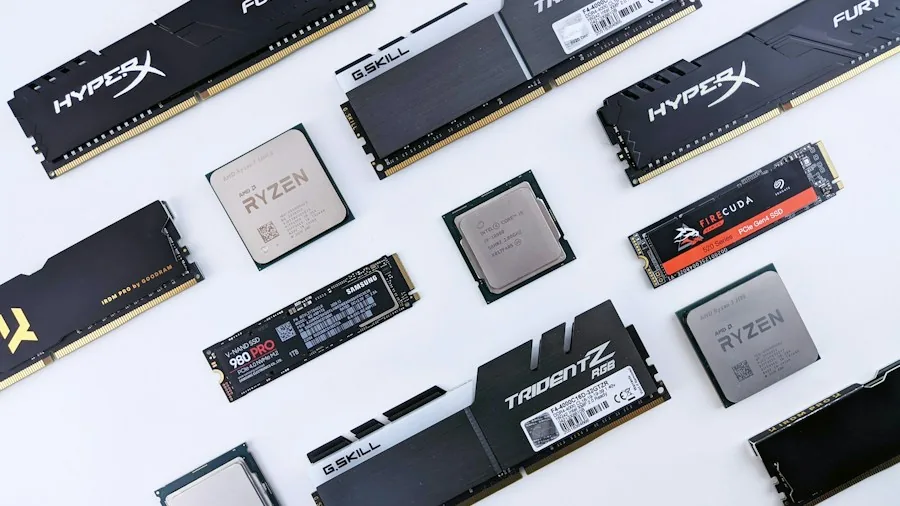
For consumers considering a budget laptop purchase, these developments offer encouraging signs. A Windows machine with 8GB of RAM should now deliver noticeably better performance than it would have previously. The improvements are substantial enough that budget Windows laptops may feel genuinely competitive with MacBook Air entry-level configurations for basic productivity work.
However, realistic expectations matter. Microsoft explicitly recommends 16GB or more RAM for heavier workloads including video editing, software development, or running multiple demanding applications simultaneously. The 8GB optimization makes these machines viable for email, web browsing, document editing, and light multitasking, not professional-grade computing.
The Bigger Picture
This optimization battle reflects larger industry tensions. Apple’s willingness to keep prices high despite memory cost increases contrasts sharply with Windows manufacturers’ strategy of optimizing software to work with cheaper hardware. As memory chip shortages could persist for years, this divergence in approach will likely continue shaping the competitive landscape.
For shoppers weighing options in the $500 to $800 price range, the Windows 11 improvements create more viable choices. A well-optimized Windows 11 machine with 8GB of RAM can now deliver functional performance that justifies its lower price compared to MacBook alternatives. The gap remains real, but it’s narrowing for users whose needs don’t demand cutting-edge performance or the MacOS ecosystem specifically.
About the author
Ava is REMOVU's laptop writer, balancing speed, battery life, and build quality against price across the whole range. She helps readers find the sweet spot as each new chip shifts what a dollar buys.