MacBook Owners Can Now Run Google’s New Googlebook OS Thanks to Developer Hack
Developers got Google's new OS working on Apple Silicon MacBooks. What this means for shoppers and tech enthusiasts.
 By Kylie Fields
Updated October 12, 2026
By Kylie Fields
Updated October 12, 2026
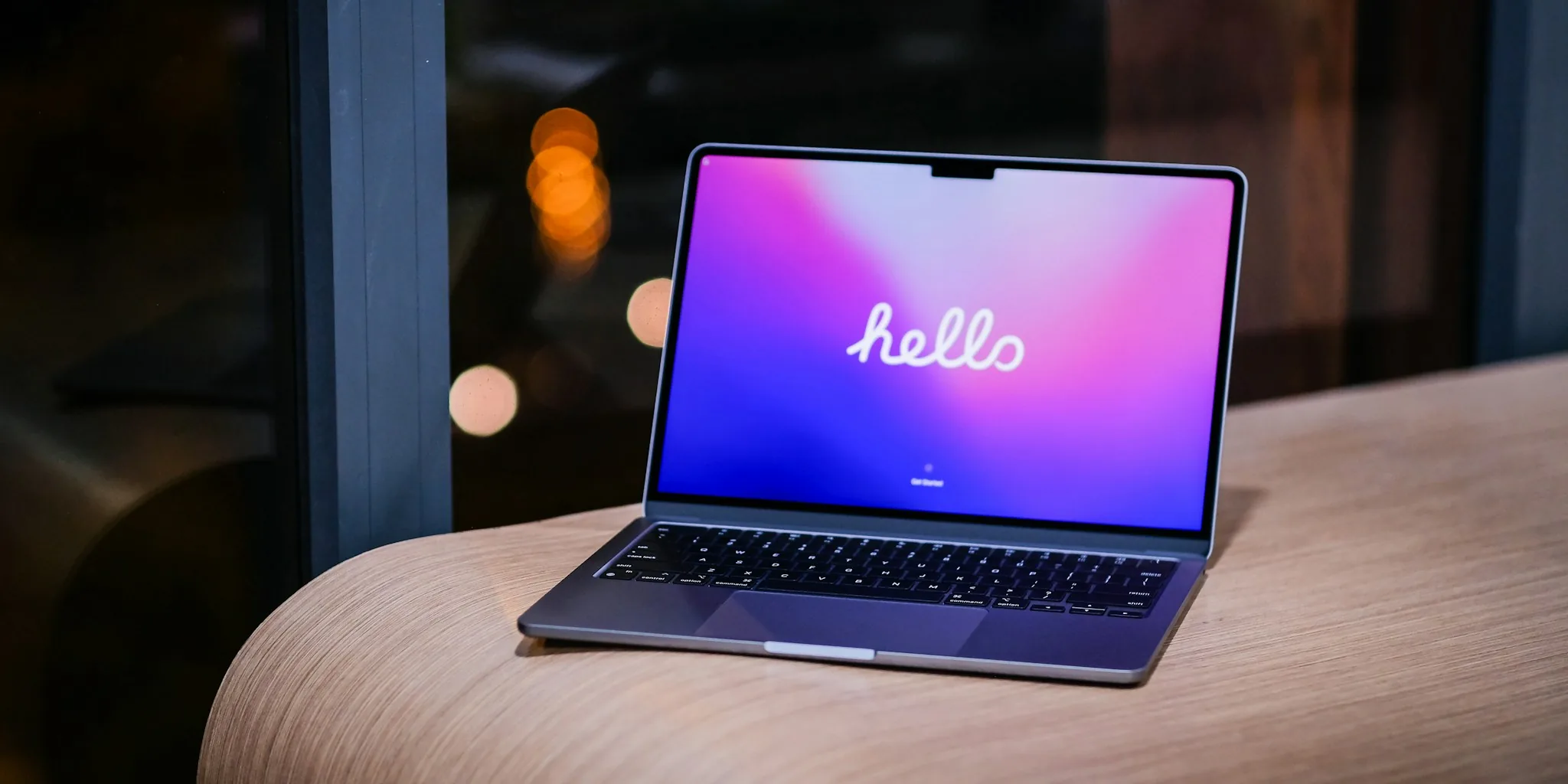
Google’s latest operating system initiative has caught the attention of the tech community in an unexpected way. Rather than waiting for official support, skilled developers have already found a way to run Googlebook OS on Apple’s latest MacBook models through a clever workaround, opening up new possibilities for users curious about the platform.
What is Googlebook OS and Why Does It Matter
Googlebook OS represents Google’s latest push into the operating system space, building on the legacy of Chrome OS and Android. This new platform was designed from the ground up with artificial intelligence integration as a core feature, positioning it as an AI-first operating system. While Google initially launched Googlebook laptops as dedicated hardware, the operating system’s underlying architecture has proven more versatile than expected.
For MacBook owners, this development carries particular significance. The rise of Apple Silicon chips, particularly the M-series processors found in modern MacBooks, relies on ARM architecture similar to what powers many mobile devices. This technical similarity became the key that allowed developers to bridge the gap between Google’s ecosystem and Apple’s hardware.
How the Developer Solution Works
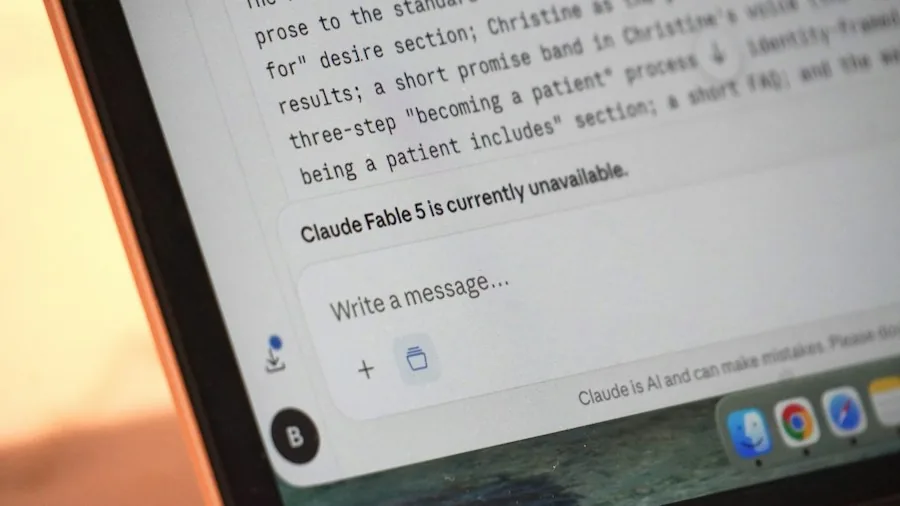
A developer named Skylar Taylor-Barrick published an open-source project called gbos-vm that enables Googlebook OS to function within a virtual machine environment on Apple Silicon Macs. Rather than replacing macOS entirely, the solution runs Googlebook OS inside a virtualized container, using GPU acceleration to handle graphics processing and performance-intensive tasks.
The installation process involves downloading the official Googlebook recovery image and using scripts to modify system partitions, leveraging components from Google’s open-source Cuttlefish project. The system then launches the operating system through QEMU, a virtualization platform. Setting up this configuration requires a MacBook running Apple Silicon hardware with at least 16GB of RAM and 60GB of available storage space.
So far, the solution has been confirmed working on multiple Mac models, including machines with M1 Pro, M2 Max, and M4 chips, suggesting the approach isn’t limited to the newest M5 generation hardware. Developers continue exploring ways to extend support to older Intel-based Macs as well, though those systems face additional technical hurdles.
Current Limitations and Stability Concerns
While the project represents an impressive technical achievement, it remains in early development with notable limitations. Bluetooth connectivity experiences frequent crashes, display refresh rates max out at 60Hz, and the TPM daemon, which handles cryptographic security, encounters errors during startup. These issues mean the current implementation is strictly a developer experimentation environment rather than a production-ready installation.
The developers themselves emphasize that the current setup lacks proper security features and should never be used for sensitive operations or data storage. The absence of functioning TPM security creates potential risks that make this suitable only for curious technologists who want to explore Googlebook OS functionality. For legitimate use cases, users should stick with official Googlebook laptops or other conventional options.
However, some features work reliably. The Chrome browser operates normally, and the GPU-accelerated graphics pipeline means the system can theoretically handle light gaming and multimedia applications without difficulty.
What This Means for MacBook Buyers
For consumers considering their laptop options, this development illustrates the powerful capabilities built into Apple’s latest hardware. The fact that MacBooks can run diverse operating systems speaks to the robust engineering of the Apple Silicon platform and its compatibility with non-native software environments.
This cross-platform flexibility doesn’t change the fundamental MacBook value proposition, but it does add an interesting dimension for users who want to experiment with emerging technologies. Many MacBook owners invest in peripheral accessories like docking stations for MacBooks to expand their machines’ capabilities. Running alternative operating systems virtually adds another layer of versatility to that equation.
For shoppers evaluating MacBooks, understanding that these devices can support experimentation with cutting-edge software platforms represents a practical benefit. Even if most users never install Googlebook OS, knowing their investment includes this capability adds future-proofing value to the purchase.
The Broader Significance
This achievement demonstrates how open-source communities and individual developers continue to push the boundaries of what commercial hardware can accomplish. Rather than waiting for official support or restrictions, the tech community found creative technical solutions to bridge platforms.
The ability to run Googlebook OS on MacBooks also highlights the convergence of different computing ecosystems. ARM-based architecture is becoming increasingly dominant across mobile devices, cloud servers, and now mainstream computers. As these platforms become more similar at the technical level, cross-platform experimentation becomes easier and more common.
MacBook owners with strong technical knowledge and an interest in exploring new operating systems now have a low-risk path to evaluate Googlebook OS before considering dedicated Googlebook hardware purchases. Pairing a MacBook with portable accessories like portable chargers for travel means users can experiment with different platforms wherever they work.
While most MacBook buyers will continue using macOS as their primary operating system, the availability of virtual alternatives adds interesting depth to these machines’ capabilities and appeals to users interested in modern software development and emerging technologies.
About the author
Kylie covers processors for REMOVU, balancing core count, clock speed, and platform cost against what readers actually run. She helps builders pick a CPU that fits their workload and budget.