Lexar Muse Portable SSD Launch: What Shoppers Need to Know About the World’s Thinnest Design
The world's thinnest portable SSD uses magnetic attachment and innovative thermal design to deliver creator-grade performance.
 By Eleanor Garcia
Updated November 2, 2026
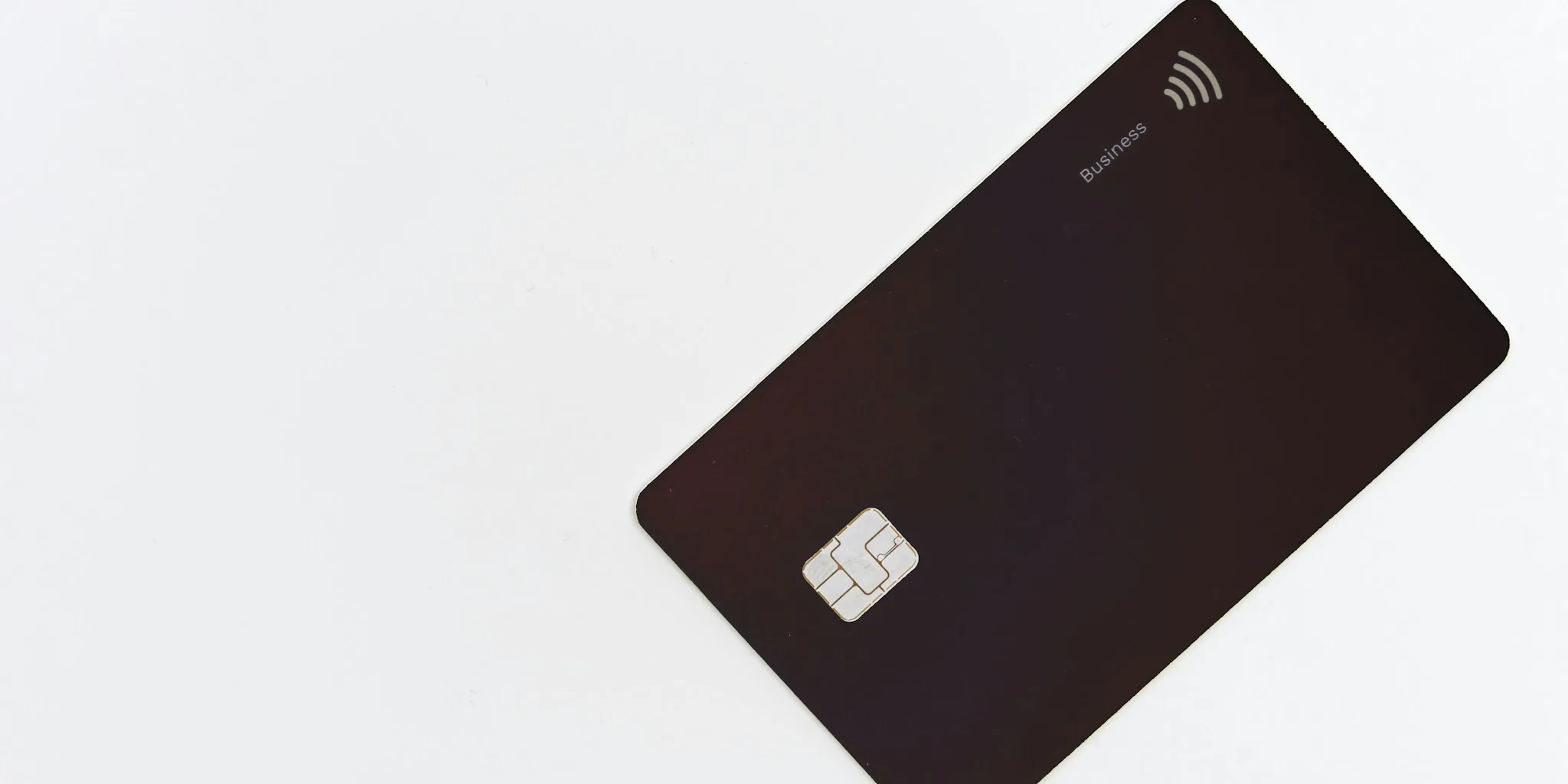
Lexar has unveiled Muse, a groundbreaking portable SSD that redefines what ultra-compact storage can be. Announced at IFA 2026 to mark the company’s 30th anniversary, this card-thin drive represents a significant shift in how mobile creators will think about backup and file transfer solutions. At just 3.8 millimeters thick with a metal chassis that resembles a credit card, Muse abandons the traditional USB-C connector entirely in favor of a magnetic SnapLink interface that attaches directly to smartphones.
For shoppers accustomed to bulky solid state drives or chunky external storage, Muse offers a radically different approach. The drive uses pogo pins and a magnetic attachment system to connect to your phone, eliminating the need for cables and the bulk that comes with conventional portable storage. This design choice matters because it keeps the device’s footprint minimal while maintaining the connectivity and speed that professionals demand.
Engineering Solutions to Real Problems
Lexar faced several engineering challenges to make Muse this thin without compromising performance or reliability. One major concern was heat dissipation. When an SSD sits pressed against a smartphone during intensive tasks like 4K video recording, both devices generate significant thermal energy. Traditional portable SSDs use dedicated heat sinks, but Muse needed a different approach.
The solution involved a single-sided component layout where heat-generating parts face away from your phone’s rear shell. The metal chassis itself acts as a passive heat spreader, distributing warmth across its surface. Combined with low-power, high-density NAND memory and firmware-level thermal management, Muse is engineered to maintain peak performance during sustained high-bitrate video capture without thermal throttling under normal operating conditions. This matters for content creators who cannot afford speed reductions mid-shoot.
Another concern centered on the stability of the magnetic pogo pin connection. Spring-loaded pins are known for sensitivity to movement, but Lexar equipped Muse with gold-plated contacts optimized for maintaining 10 Gbps USB 3.2 Gen 2 signal integrity. The magnetic attachment itself is strong enough to keep precise alignment during active handheld shooting, so you won’t experience connection drops when moving around.
Durability and Real-World Reliability
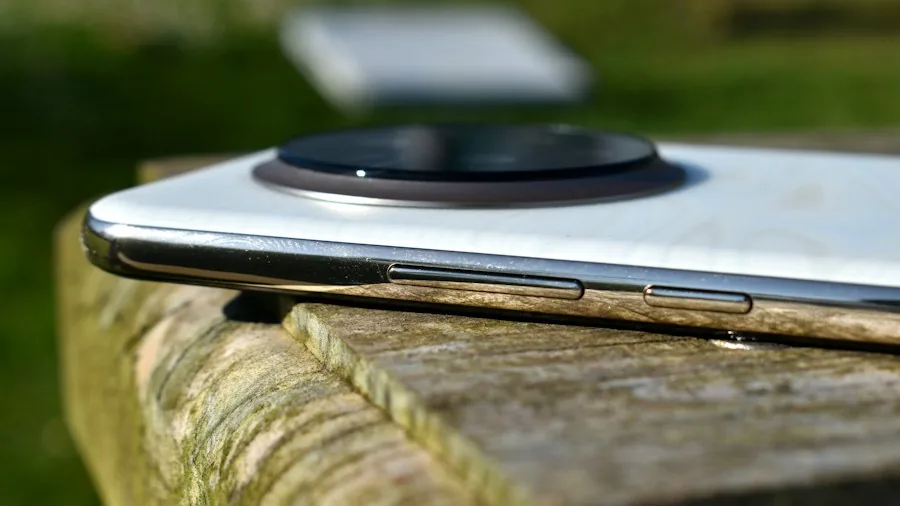
Lexar subjected the Muse to extensive durability evaluation including over 10,000 mating cycles, salt-spray assessment, and high-temperature plus high-humidity simulation. The contacts underwent evaluation against real-world contaminants like skin oils, sweat, dust, and textile fibers. This comprehensive approach suggests the drive should survive extended creator workflows and daily pocket carry without degradation.
For now, Muse launches in 512GB and 1TB capacities. A 2TB variant is currently under validation but not yet available. Lexar indicated that the 2TB version is technically feasible and will arrive based on market demand and validation results. This phased approach allows the company to assess customer interest before committing to higher-capacity production.
What This Means for Buyers
The arrival of Muse signals that the portable SSD market is diversifying beyond traditional form factors. If you shoot frequent video on your smartphone or transfer large files regularly, a drive that magnetically attaches to your phone eliminates the need for adapters, cables, and separate storage devices rattling around in your bag. Compare this against the best portable SSDs for every workflow and budget, and you’ll see Muse occupies a new category focused on mobile-first users.
The metal card design also appeals to minimalists and professionals who value aesthetics alongside function. Lexar’s heritage in camera storage means the company understands creator needs for reliability and sustained performance during critical moments. Muse combines that legacy with modern smartphone integration.
For budget-conscious shoppers, ultra-compact portability comes at a premium price point, which is typical for first-generation breakthrough designs. As the product line matures and competition arrives, pricing should moderate. In the meantime, those who prioritize sleek design, magnetic convenience, and reliable mobile storage will find Muse worth evaluating.
The landscape of external storage continues to evolve, and Muse represents a clear signal that one-size-fits-all drive design no longer dominates the market. Whether this form factor becomes mainstream or remains a niche solution for mobile creators, Lexar has successfully challenged assumptions about how thin and how integrated a portable drive can actually be. Shoppers now have a genuinely different option to consider alongside conventional external SSDs under $100 and mid-range alternatives.
About the author
Eleanor covers smartphones for REMOVU, balancing cameras, battery life, and software support against price. She helps readers find the best value as the field shifts with every release.