iPhone Duo Durability Test Reveals What Every Foldable Buyer Should Know
After 11,500 folds, here's exactly what happens to the crease and whether the hinge holds up.
 By Eleanor Garcia
Updated October 22, 2026
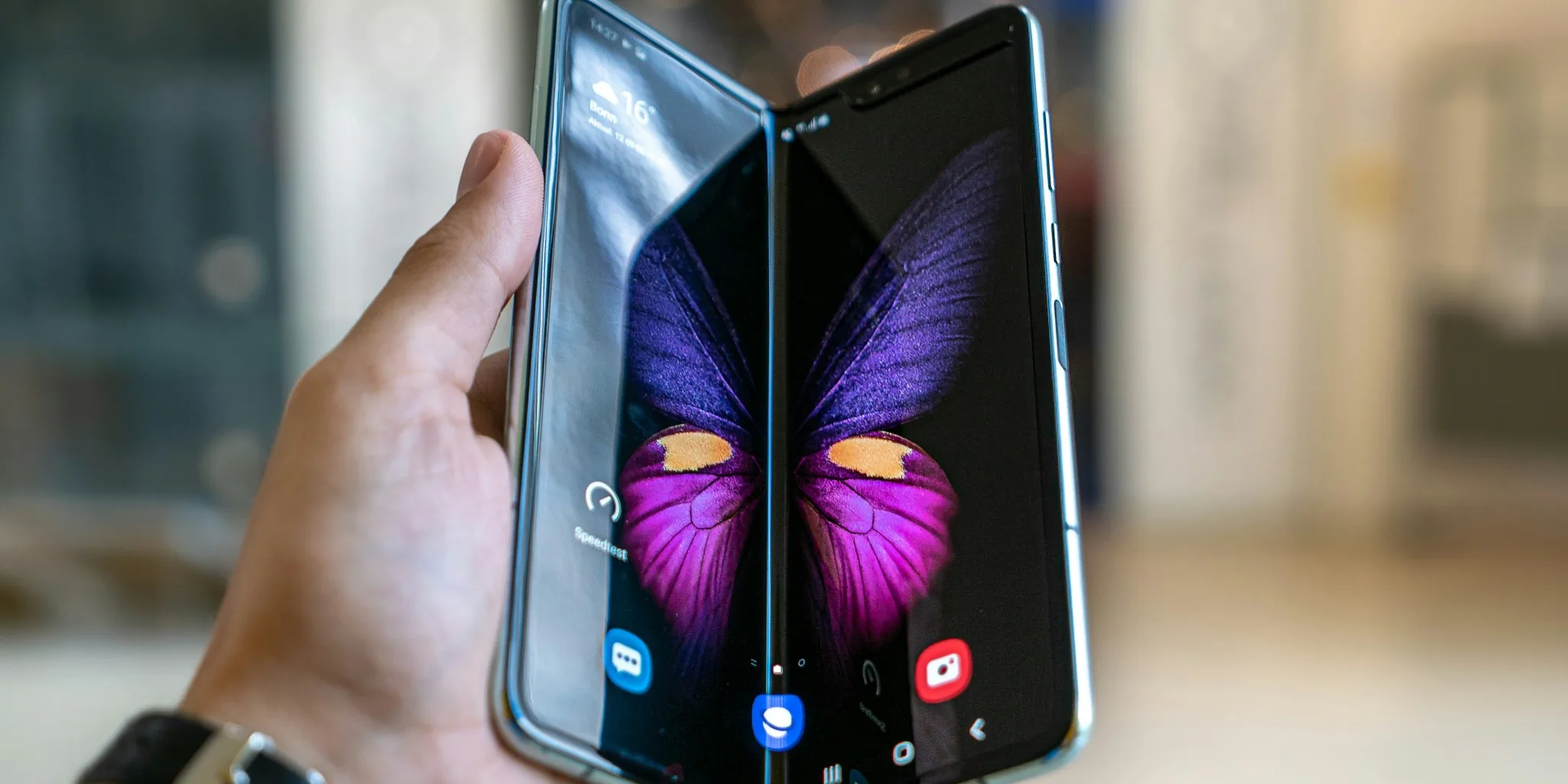
Apple’s foldable smartphone has generated significant excitement since its announcement, but like all innovative foldable devices, real-world durability raises legitimate questions for potential buyers. Recent independent evaluations reveal how the iPhone Duo holds up under extended use, and the findings offer crucial insights for anyone considering this premium device.
The Crease Dilemma: What Repeated Folding Shows
The most visible concern with any foldable phone centers on the center crease that appears on the inner screen. YouTuber Tim Pan conducted a multi-phase evaluation involving 11,500 total folds spread across different conditions. After 500 folds, the crease became noticeably more pronounced than in the unboxing state. Following 10,000 folds, the crease grew significantly more visible, so much so that Apple’s protective matte layer at the top could no longer mask it effectively.
To put this in perspective, ten folds per day over three years equals approximately 11,500 total folds. However, users who frequently open and close their phone 100 times daily would reach that threshold in under four months. The takeaway is straightforward: the crease becomes progressively more noticeable based on your usage frequency, not simply the passage of time.
In a parallel evaluation, tech reviewer Joanna Stern deployed a mechanical robot to assess the hinge rather than the crease itself. The device completed over 32,640 folds across four consecutive overnight sessions. When measured with specialized equipment, the hinge required slightly more force to open compared to its initial state, though the difference proved imperceptible during actual daily use.
Beyond the Crease: Overall Structural Integrity
Despite the visible crease progression, both evaluations found that the core mechanical components performed admirably. Pan noted that the hinge remained smooth and retained the same tactile response present from day one. He did observe that particles like hair and sand could occasionally accumulate at certain hinge angles, a practical consideration for owners in sandy or pet-filled environments.
Stern’s mechanical evaluation indicated that while the hinge did experience minor stiffening, this change actually proved beneficial. A slightly stiffer hinge that maintains its integrity clearly outperforms a loose or wobbly hinge that could fail prematurely. She emphasized that the increased resistance registered by instruments never translated to noticeable differences during typical daily operation.
These evaluations represent unofficial stress scenarios that push the device far beyond normal consumer use patterns. Neither scenario resulted in complete failure of the crease or hinge, suggesting the iPhone Duo can withstand considerable real-world stress without catastrophic breakdown.
What This Means for Your Purchase Decision
If you own a smartphone for multiple years, the crease visibility trade-off deserves serious consideration. A phone that accumulates visible wear relatively quickly may feel less premium over time, even if mechanically sound. However, the hinge’s durability suggests the device won’t suddenly become unusable after extended ownership.
Your personal usage patterns matter enormously. Casual users who fold their phone ten to twenty times daily will likely enjoy a longer window before the crease becomes objectively noticeable. Frequent folder enthusiasts should anticipate visible crease development within months rather than years.
Environmental factors also play a role. Pan’s evaluation included freezing conditions at minus 4 degrees Fahrenheit, showing that cold temperatures accelerate crease visibility. If you live in a climate with harsh winters or frequently use your phone outdoors in cold weather, accelerated crease development may occur.
Future Refinements Expected
Apple is reportedly developing next-generation versions with potential improvements. Early reports suggest Face ID technology may return in future models, addressing complaints from users who preferred facial recognition over the current side-mounted fingerprint sensor. Such refinements could address durability concerns in parallel with feature upgrades.
For existing and prospective owners, these findings underscore that foldable technology remains a living evolution. Today’s iPhone Duo represents a solid foundation that performs reliably for years, but visible signs of age come faster than traditional phones. Pairing your device with protective accessories, including quality cases and screen protectors, remains advisable. Exploring options like the smartwatches compatible with iPhone and wireless earbuds can enhance your overall ecosystem investment and provide complementary technology that may outlast heavily folded displays.
The iPhone Duo stands as a capable foldable that delivers on performance and build quality over extended periods. Understanding exactly how the crease develops and how mechanical components respond to heavy use empowers buyers to make informed decisions aligned with their usage expectations and long-term ownership priorities.
About the author
Eleanor covers smartphones for REMOVU, balancing cameras, battery life, and software support against price. She helps readers find the best value as the field shifts with every release.