iPad vs E-Reader: Which Device Should You Actually Buy in 2025
Why e-readers deserve your consideration as a serious alternative to tablets.
 By Isabella Black
Updated November 11, 2026
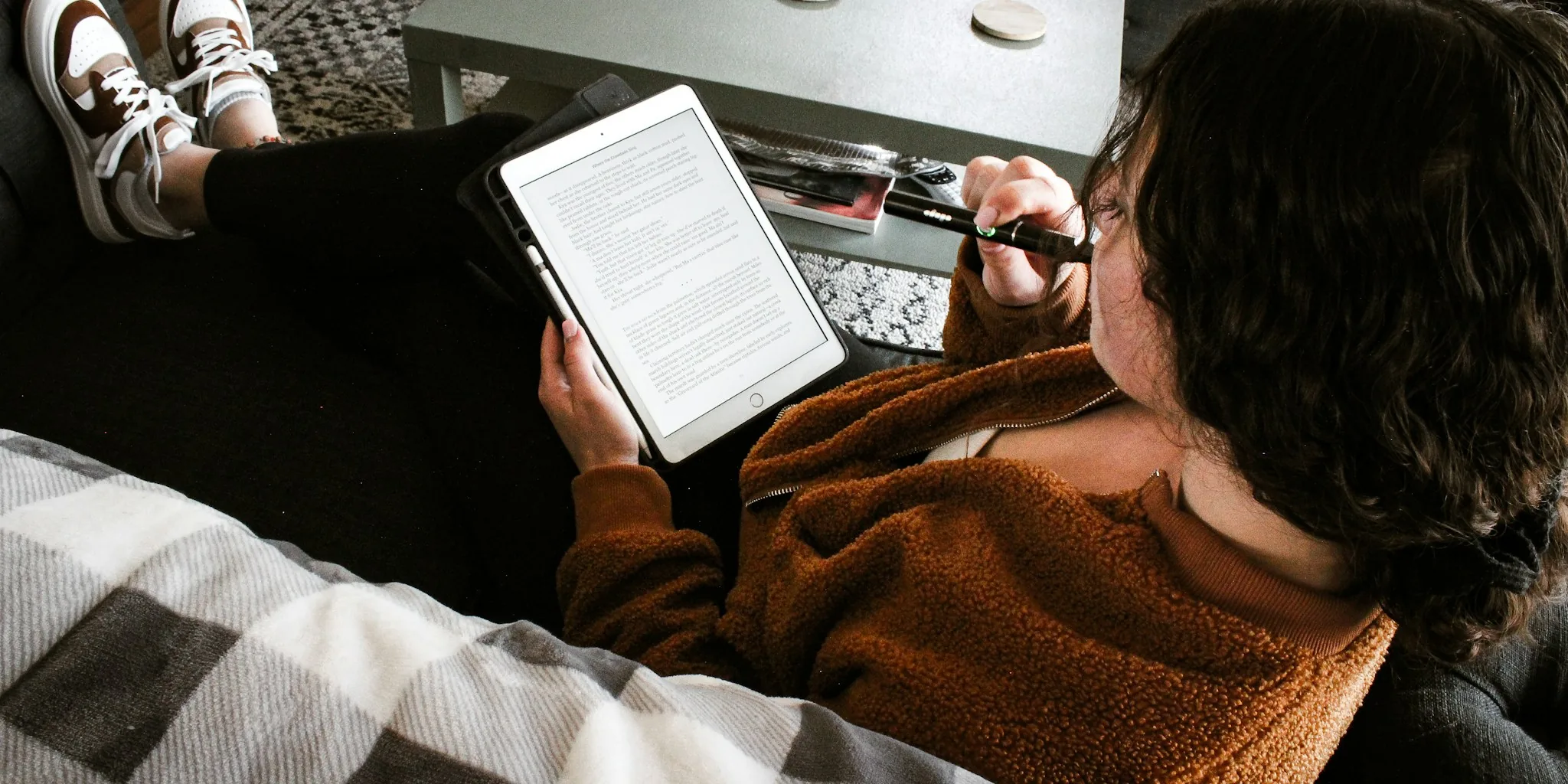
When it comes to portable reading and computing devices, the iPad has long dominated consumer conversations. However, e-readers represent a compelling alternative that shoppers often overlook. Understanding the key differences between these two device categories can help you make a more informed purchasing decision based on your actual needs.
Size and Portability Advantages of E-Readers
One of the most significant distinctions between e-readers and iPads lies in the range of sizes available. While the smallest iPad, the iPad Mini, features an 8.3-inch display, e-readers come in a far wider spectrum. The classic Amazon Kindle’s 6-inch screen strikes a balance between readability and portability, fitting easily into a coat pocket or bag. Even smaller options exist, like the XTEINK X4 with its 4.3-inch display that clips magnetically to phones. Phone-sized e-readers have become surprisingly popular for commuters and travelers who want minimal bulk. On the opposite end, larger e-readers such as the Onyx Boox Tab X C offer 13.3-inch displays, matching or exceeding standard tablet dimensions. This variety means you can find an e-reader that matches your specific lifestyle, whether you prioritize pocket-sized portability or expansive screen real estate.
Cost Considerations Matter More Than Ever
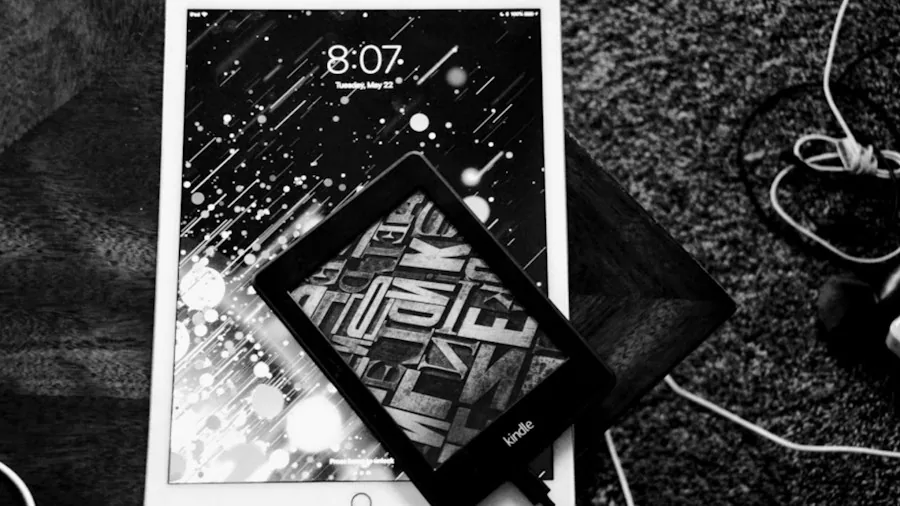
Budget-conscious shoppers frequently encounter sticker shock when comparing device prices. Entry-level iPads start at $449, with flagship models reaching well beyond $2,000 for fully configured versions. E-readers, by contrast, offer substantially lower entry points. The XTEINK X4 costs just $89, while standard-sized options like the Amazon Kindle retail for $149.99 and the Kobo Clara BW sits at $159.99. These prices frequently drop further during sales events. Though some premium e-readers approach iPad pricing, the abundance of affordable options means you can find a capable reading device without a significant financial commitment. If reading comprises your primary computing need, this price differential represents real savings worth considering.
Battery Life Extends Your Device Freedom
iPad battery performance typically falls short for power users. According to manufacturer specifications, most iPad models deliver approximately 10 hours of web browsing or video streaming on a single charge, though real-world performance often drops to 3 to 8 hours during intensive tasks. E-reader batteries operate in an entirely different realm. The Amazon Kindle lasts up to six weeks per charge, while the Paperwhite and Scribe models achieve 12 weeks of battery life. This dramatic difference stems from E Ink display technology, which only consumes power when changing the screen image, not while displaying static content. E Ink’s own research indicates that their displays consume roughly 36 times less power than LCD screens. For people who read daily or use their device frequently throughout the week without access to charging, e-readers eliminate battery anxiety entirely.
Software Simplicity vs. Complexity
The operating systems behind these devices reflect their different purposes. iPads run iPadOS, an advanced platform designed to replicate desktop computing with multiple apps, customizable home screens, and layered menu systems. This flexibility appeals to power users who need productivity tools and multitasking capabilities. However, iPadOS can overwhelm users seeking straightforward functionality. E-readers employ dramatically simpler interfaces. Most models, including the Amazon Kindle, present your library and a store interface with minimal distraction. Reading settings remain easily accessible within books, and you’ll never navigate a cluttered app drawer. While some advanced e-readers like the Boox Palma 2 Pro run Android and support expanded app ecosystems, the majority maintain their focused simplicity.
Note-Taking and Writing Experiences Differ
Many premium e-readers have evolved beyond reading-only devices. Models like the Remarkable Paper Pure feature display textures and stylus designs that authentically mimic writing on paper. The tactile feedback and screen finish create an experience closer to pen on paper than digital styluses typically achieve. IPads work with Apple Pencil accessories, which enable drawing and annotation through smooth glass surfaces. While technically capable, the plastic nib gliding across glass lacks the paper-writing sensation that many note-takers prefer. If handwriting notes or sketching forms part of your workflow, an e-reader with stylus support may feel more natural.
Eye Health and Screen Strain
E Ink displays reduce blue light exposure significantly compared to LCD and OLED screens used in iPads and smartphones. Research from E Ink in collaboration with Harvard School of Public Health suggests their display technology causes roughly three times less stress to retinal cells than LCD displays. Reduced blue light matters particularly for evening reading, as this wavelength can interfere with sleep quality. Many e-reader users report noticeably less eye strain during extended reading sessions. Most e-readers also allow font size and display warmth customization to further reduce discomfort. While iPad use doesn’t cause permanent vision damage, the short-term eye strain reduction from e-readers appeals to serious readers.
Making Your Decision
The choice between an iPad and an e-reader ultimately depends on your intended use. Readers who prioritize battery life, portability, and eye comfort find e-readers superior. Those needing productivity features, app ecosystems, and versatile computing capabilities should choose an iPad. Many people find both devices serve different purposes, with an e-reader handling leisure reading while an iPad addresses productivity needs requiring backup charging solutions. Evaluate your actual usage patterns rather than defaulting to the device category that receives the most marketing attention.
About the author
Isabella covers e-readers for REMOVU, comparing screen clarity, battery life, and reading comfort. She helps bookworms trade glare and distractions for weeks of easy reading.