iPad Mini Pricing Strategy: What Buyers Should Know About the New 2026 Model
New iPad mini unlocks top processor power only at $999. Here's how the pricing structure breaks down.
 By Kylie Fields
Updated October 26, 2026

Apple has unveiled its newest iPad mini with a significant price increase and a structure that rewards only the highest-spending customers with the most powerful processor option. Starting at $699 for the base Wi-Fi model, the eighth-generation iPad mini brings impressive hardware upgrades, but the chip performance tiers reveal an important detail about how Apple is positioning this tablet in its broader lineup.
Understanding the A20 Pro Chip Tiers
The new iPad mini features Apple’s A20 Pro processor, but not all configurations include the same version. Shoppers who purchase the 128GB or 256GB models, which cost $699 and $799 respectively, receive an A20 Pro with a 5-core CPU, 7-core GPU, and a single 16-core Neural Engine. This is the entry-level configuration of the chip.
The real performance jump occurs only when you step up to the 512GB model priced at $999. That version doubles the Neural Engine capability to two 16-core units and adds an extra CPU core, bringing the processor to 6 cores. This setup is specifically marketed for faster on-device artificial intelligence processing. For those wanting cellular connectivity, adding $250 to any model is required, pushing the fully loaded version to $1,250. When budget is a consideration, it’s worth noting that at this price point, shoppers could instead purchase an iPad Pro with an Apple Pencil or an iPad Air paired with a Magic Keyboard, both of which may suit different workflow needs.
New Features Beyond Processing Power

Beyond the processor differences, the entire iPad mini line receives meaningful upgrades. The most notable addition is an OLED screen, marking the first time Apple has brought this premium display technology to the mini form factor. The tablet also includes an innovative Acoustic Display design that integrates speakers into the screen itself, eliminating the need for traditional speaker components along the edges.
Physical durability has improved with IP67 rating, meaning the device can withstand water and dust exposure better than previous generations. The overall design appears more resilient based on published specifications, though real-world longevity will be clearer as independent reviews emerge in the coming weeks.
Why Apple Uses This Pricing Approach
This strategy of reserving the most capable chip variant for the highest-priced configuration is not new for Apple. The company has employed similar tactics with iPad Pro models and, more frequently, with its Mac line. For example, the entry-level MacBook Air with the M5 chip starts at $1,299 with a 10-core CPU and 8-core GPU. Spending an additional $100 upgrades you to a 10-core GPU instead, all before considering storage or memory upgrades.
From a business perspective, this approach allows Apple to maintain different price tiers while creating meaningful performance differentiation. It encourages budget-conscious buyers to consider whether the base configuration serves their needs, while pushing those who want maximum capability toward premium pricing. Whether this strategy genuinely serves customer interests or primarily protects profit margins remains a topic of debate among technology analysts.
What This Means for Shoppers
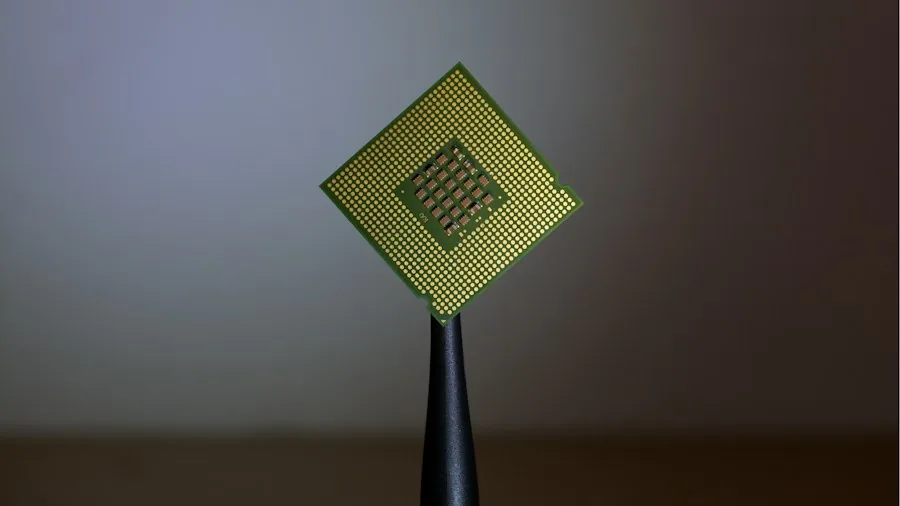
If you’re considering an iPad mini purchase, understanding these chip tiers is essential for making an informed decision. For general tasks like web browsing, email, media consumption, and document editing, the 5-core A20 Pro in the $699 or $799 models should perform admirably. These configurations align with the typical needs of casual tablet users.
However, if your workflow involves demanding applications, creative software, or computationally intensive tasks, the neural processing improvements in the $999 model may justify the premium. The dual Neural Engine setup specifically targets machine learning functions that increasingly power photo editing, video processing, and AI-assisted productivity tools. Consider whether your actual use cases will access these capabilities before paying the substantial upgrade cost.
Availability and Timing
Pre-orders for the iPad mini begin October 28, 2026, with general retail availability starting November 6, 2026. Both Wi-Fi and cellular options are available across all storage tiers. The base Wi-Fi model carries an effective $200 price increase compared to the previous generation, which reflects the upgrades in display technology and processing capability. Cellular models include an additional $150 premium over their Wi-Fi equivalents.
As with most new tablet launches, independent reviews are expected to provide deeper insights into real-world performance once units reach reviewers’ hands. For consumers evaluating iPad accessories and keyboards or supplementary gear, availability will expand as the tablet reaches mainstream availability. Considering your accessory needs alongside the base tablet cost provides a more complete picture of total spending.
The new iPad mini positioning reflects broader market trends in how Apple segments its product portfolio. By using processor tiers strategically, the company maintains appeal across multiple customer segments while guiding high-margin buyers toward premium configurations.
About the author
Kylie covers processors for REMOVU, balancing core count, clock speed, and platform cost against what readers actually run. She helps builders pick a CPU that fits their workload and budget.