iPad Air OLED Upgrade Coming in Early 2027 What Shoppers Need to Know
Supply chain sources confirm OLED upgrade expected for iPad Air in first half of 2027, following iPad mini redesign.
 By Yolanda Carroll
Updated November 10, 2026

A new supply chain report confirms that Apple is preparing to bring OLED display technology to its mid-range iPad Air lineup, with an announcement expected in the first half of 2027. This move represents the next phase of Apple’s gradual rollout of premium display technology across its tablet offerings, following the company’s recent update to the iPad mini with an OLED screen.
OLED Screens Are Spreading Beyond the iPad Pro
For years, OLED display technology remained exclusive to Apple’s highest-end iPad Pro models. The landscape shifted last month when the iPad mini received its most significant overhaul in several years, introducing an OLED screen as its defining feature. The refreshed iPad mini also became noticeably thinner and lighter than its predecessor, while gaining the powerful A20 Pro processor.
The iPad Air, by contrast, received a processor upgrade earlier this year but no display improvements. Industry analysts and supply chain observers have consistently pointed to early 2027 as the window when Apple would introduce OLED technology to the iPad Air. The latest supply chain intelligence reinforces this timeline, suggesting that March represents the most probable launch window based on Apple’s historical announcement patterns.
What to Expect from the New iPad Air

Based on the specifications Apple chose for the iPad mini’s redesign, the upcoming iPad Air is likely to follow a similar formula. This means buyers should anticipate an OLED display as the centerpiece upgrade, with other components remaining relatively consistent with current iPad Air models. The device is expected to retain its Touch ID fingerprint sensor rather than switching to Face ID, and the display refresh rate is forecast to remain at 60Hz, matching the iPad mini’s specifications.
For consumers considering their tablet purchases over the next several months, this timeline carries meaningful implications. Anyone looking to buy an iPad Air soon may want to factor in the timing of a potential new model, particularly if display quality is a priority in their buying decision.
Understanding the Supply Chain Signal
Supply chain reports offer insight into product timelines because component manufacturers and logistics networks often begin ramping production months before official announcements. When multiple sources from different parts of the manufacturing ecosystem independently report similar timeframes, it typically signals genuine confidence in those dates rather than speculation. The convergence of recent reports around an early 2027 launch window strengthens the case that this update is genuinely in development.
For retailers and consumers alike, supply chain intelligence matters because it affects inventory planning and purchasing decisions. Understanding how product ecosystems are managed can help buyers time their purchases strategically.
Why OLED Matters for Tablet Users
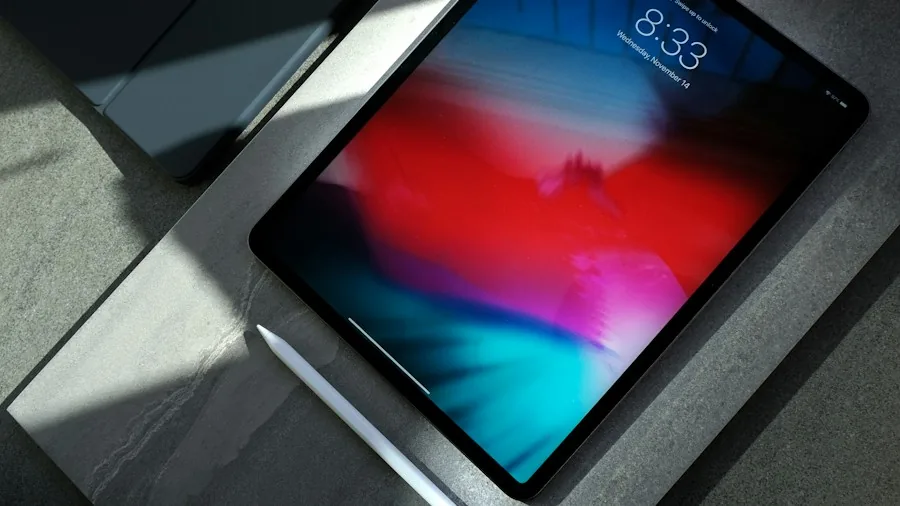
OLED technology delivers several concrete benefits compared to the LCD displays currently used in the iPad Air. These screens produce deeper blacks because individual pixels can turn completely off, resulting in superior contrast. Colors appear more vibrant, and the displays consume less power when displaying darker content. For users who spend significant time reading, watching video, or working in creative applications, these improvements translate to a noticeably enhanced viewing experience.
The iPad Air occupies a unique market position as a premium device that doesn’t carry the full flagship price tag of the iPad Pro. Introducing OLED technology at this price point could make high-quality display technology more accessible to a broader range of consumers who want excellent performance without the maximum investment.
Planning Your Tablet Purchase
Current iPad Air owners shouldn’t feel pressured to upgrade immediately. The existing models remain capable and will continue receiving software updates for years to come. However, those in the market for a new tablet might consider waiting to see the OLED iPad Air specifications and pricing before committing to a purchase. Product refresh cycles typically reveal which features represent genuine improvements versus incremental changes.
The gradual introduction of OLED displays across Apple’s tablet range reflects a common technology adoption pattern in the consumer electronics industry. Premium features eventually cascade down to more affordable models as manufacturing scales up and costs decrease. The iPad mini received the upgrade first, the iPad Air will likely follow, and eventually this technology may reach even the standard iPad.
For shoppers evaluating their tablet needs, the key takeaway is straightforward: if an OLED display is important to your decision-making process, the timing of a March 2027 announcement means waiting just a few months could provide meaningful benefits. For those who need a tablet now, the current iPad Air remains a solid choice that performs well for the vast majority of computing tasks. Either way, staying informed about upcoming releases helps ensure you make a purchase decision that aligns with both your timeline and your budget.
About the author
Yolanda covers tablets for REMOVU, weighing performance, display, and value across iPad and Android options. She helps readers pick a tablet that fits couch time or real work.