How to Choose Between a Gimbal Phone and a Standard Flagship for Video Recording
Learn whether a gimbal-mounted phone or traditional flagship better fits your video recording needs and budget.
 By Eleanor Garcia
Updated August 15, 2026
By Eleanor Garcia
Updated August 15, 2026
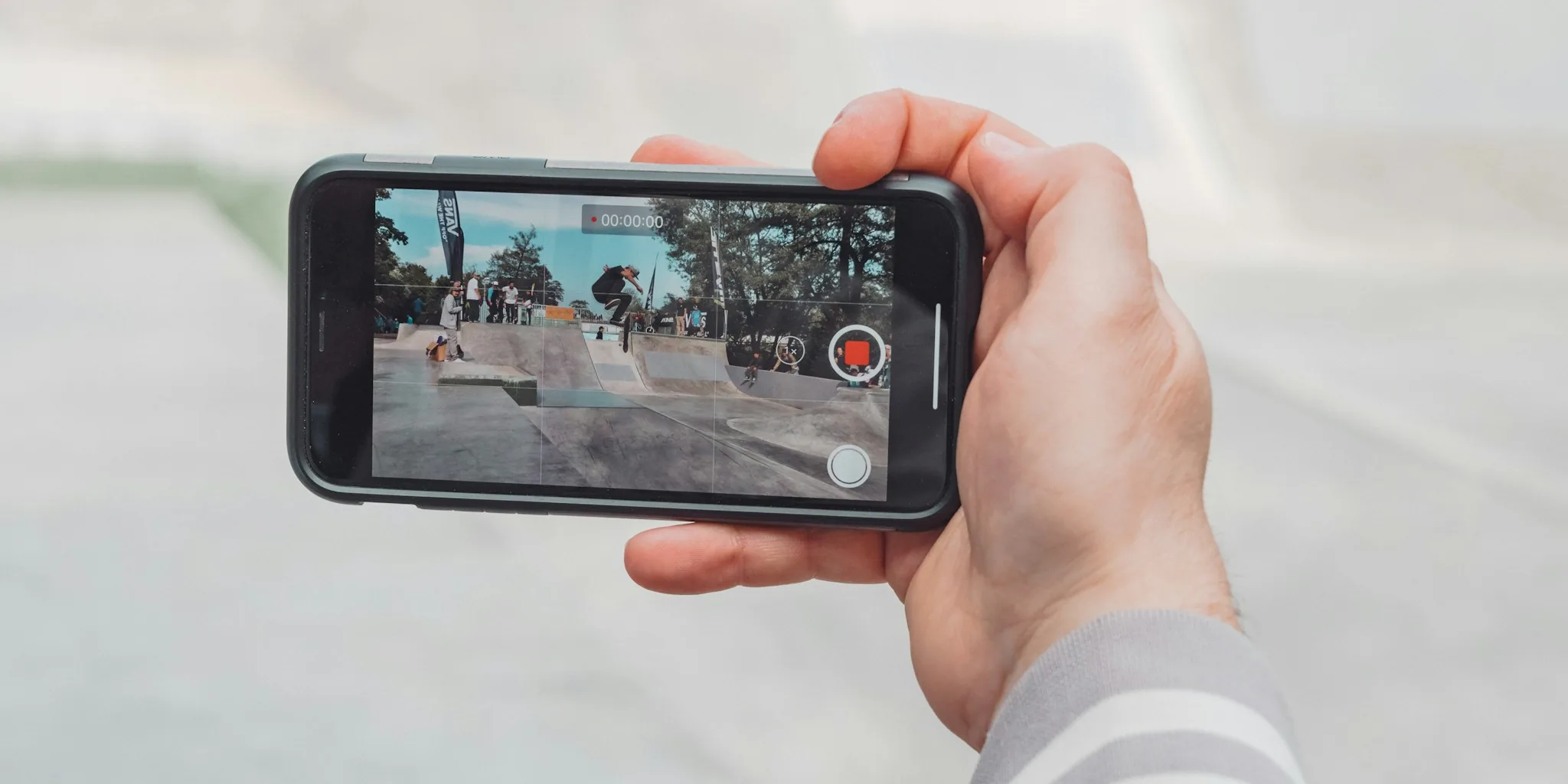
When shopping for a smartphone optimized for video content creation, the choice between a device with built-in gimbal stabilization and a traditional flagship can feel overwhelming. Understanding how each approach handles real-world shooting scenarios will help you make a decision that fits your creative needs and budget.
Understanding Gimbal Camera Technology in Phones
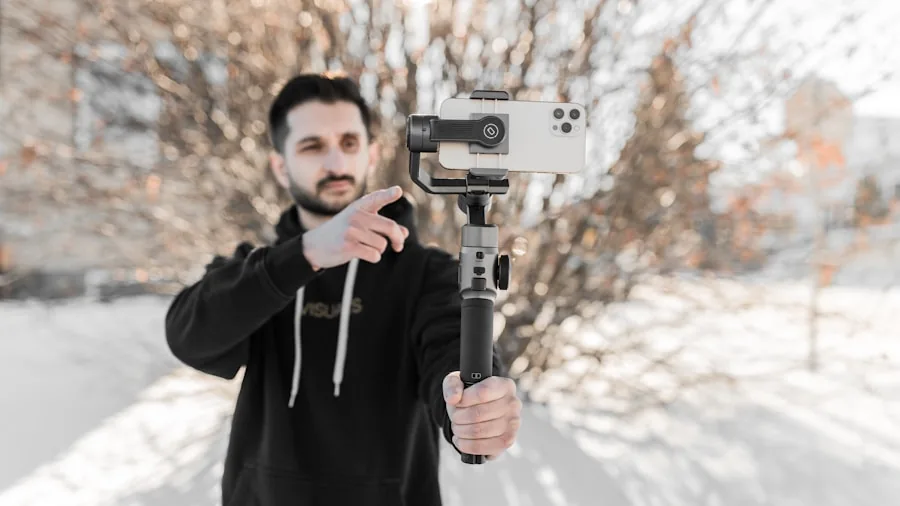
A gimbal-mounted camera system uses motorized axes to physically stabilize footage as you record. Unlike traditional electronic stabilization, which crops and adjusts your video digitally, a gimbal moves the actual lens assembly. This means the camera hardware itself compensates for your hand movement and walking motion. Honor’s latest flagship model, priced around $1,480, features a three-axis gimbal with a 200-megapixel main sensor. The motorized mechanism allows the lens to rotate and track movement independently of how you hold the device.
This approach delivers noticeably smoother video when you’re moving, particularly during casual walking or dynamic scenes. The gimbal handles micro-movements that could otherwise create subtle jitter in footage.
Subject Tracking and Auto-Follow Capabilities
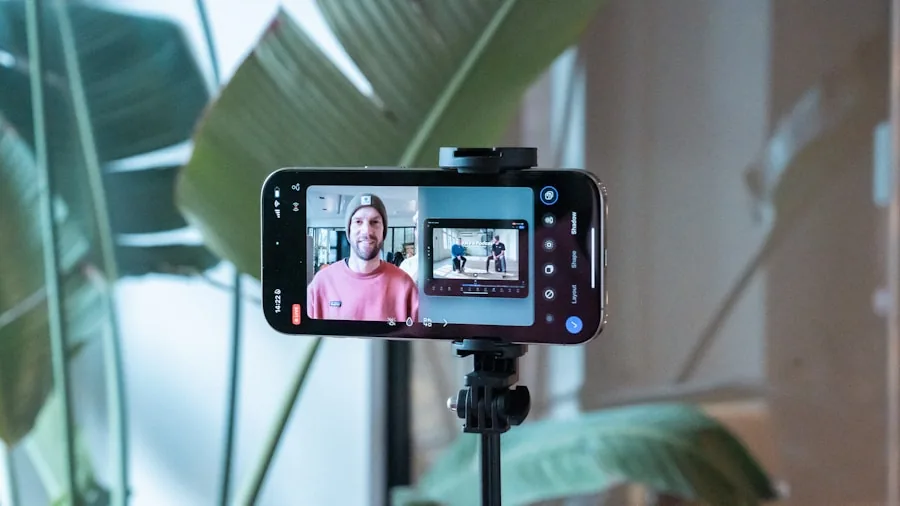
One of the most practical advantages of a gimbal system is automatic subject tracking. While recording, you can lock the camera onto a person, and the gimbal physically follows them as they move within a certain range. This eliminates the need to constantly reposition your phone to keep subjects centered in the frame.
Imagine filming a workout session at the gym. You could position a gimbal phone on a stable surface, lock onto yourself, and let the camera system follow your movement as you exercise. The same applies to outdoor recordings or documenting someone else’s activity. This feature simply isn’t available on conventional smartphones, no matter how advanced their software stabilization becomes. For creators who regularly produce short-form social media content or personal vlogs, this capability offers real productivity gains without requiring additional equipment like external stabilization gear.
Low Light Performance Considerations
Traditional flagship phones often outperform gimbal-equipped devices in challenging lighting conditions. When shooting in darker environments, gimbal phones may introduce noticeably more image noise than standard flagships. If you frequently record indoors, during evening events, or in dimly lit spaces, this limitation deserves serious consideration. Standard flagships rely on larger sensors and advanced computational photography to handle low-light scenarios, and in this area they maintain a clear advantage.
Vertical Video Limitations
Here’s an often-overlooked consideration: gimbal phones with horizontally-oriented sensors face challenges when recording vertical video. Since the main camera sensor doesn’t physically rotate, the phone must crop a horizontal 4K frame to create a vertical composition. This results in approximately 2.8K resolution rather than true 4K footage, a meaningful compromise for anyone producing vertical content regularly.
Modern flagship phones can record vertical video at full 4K resolution without this penalty. For content creators focused on TikTok, Instagram Reels, or YouTube Shorts, where vertical orientation is standard, this could be a decisive factor in your comparison.
Processing Power and Overall Performance
Don’t assume that adding gimbal hardware means sacrificing other smartphone features. Modern gimbal-equipped flagships incorporate current-generation processors, multiple camera lenses, and substantial battery capacity. A gimbal phone might include a 200-megapixel periscope telephoto lens with optical zoom alongside the gimbal-mounted main camera, plus an ultrawide lens for versatile shooting options. These devices also integrate high-capacity batteries, sometimes exceeding 7,000 milliampere-hours, ensuring all-day usage even with intensive video recording.
Price and Availability
Gimbal phone technology remains relatively new and primarily available in specific markets. Many advanced gimbal models launch initially in Asia with uncertain global availability. Standard flagship phones from established brands remain widely available across the United States with established support networks and warranty coverage.
Making Your Decision
Choose a gimbal phone if you prioritize smooth video in well-lit environments, frequently record yourself or single subjects, and value automatic tracking features. These devices excel at producing polished, stabilized footage for fitness content, outdoor vlogging, and subject-focused recording scenarios.
Choose a standard flagship if you shoot frequently in low light, produce substantial amounts of vertical video content, or prefer a proven ecosystem with global availability and support. Traditional flagships maintain advantages in computational photography and already deliver excellent stabilization through software optimization.
Consider your primary use case and shooting environment. A gimbal phone represents a specialized tool optimized for specific content creation styles, while standard flagships offer broader versatility across all photography and video scenarios. Your investment should align with where you spend most of your recording time and what subjects you typically capture. Both approaches deliver impressive results when matched to their intended use cases.
About the author
Eleanor covers smartphones for REMOVU, balancing cameras, battery life, and software support against price. She helps readers find the best value as the field shifts with every release.