Hard Drive Technology Auction Reshapes Supply Chain for Shoppers
Seagate and Toshiba are fighting to acquire TDK's magnetic-head technology. Here's what that means for your storage.
 By Jim Harvey
Updated October 7, 2026
By Jim Harvey
Updated October 7, 2026
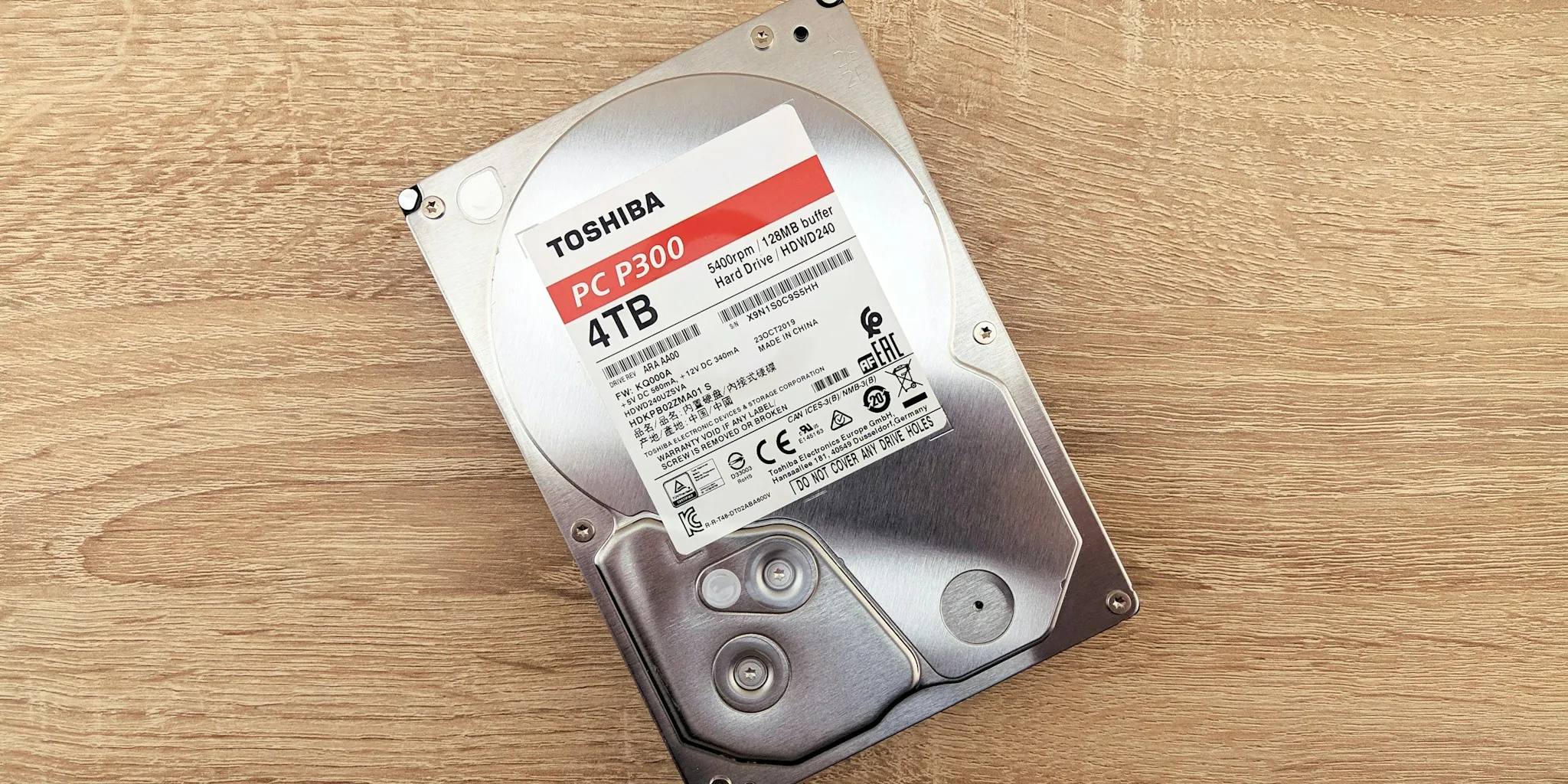
The competition to acquire a critical hard drive component is heating up, and the outcome could significantly impact storage availability and pricing for consumers over the coming years. Seagate and Toshiba are currently in a fierce battle to purchase TDK’s magnetic-head technology, one of the few independent suppliers of this essential component that makes modern hard drives function. This acquisition fight reveals how fragile global supply chains have become as artificial intelligence demands surge.
Why This Matters to Your Storage Choices
Hard drive magnetic heads are the precision components that read and write data on spinning platters. They represent some of the most advanced technology in consumer electronics, requiring extraordinary engineering precision. TDK has been one of the rare independent manufacturers still producing these parts at scale, making the company a critical piece of the industry puzzle.
The broader context matters here. Three manufacturers now dominate the hard drive market: Seagate and Western Digital each control roughly 45 percent, while Toshiba holds about 10 percent. This concentration means any disruption to the supply of magnetic heads could ripple through the entire market. Network storage devices that rely on enterprise-grade hard drives could face production delays or price increases if negotiations fall apart.
Two Competing Visions for the Industry
Seagate and Western Digital both operate their own in-house magnetic-head production facilities. This vertical integration gives them significant control over quality and supply. Toshiba, by contrast, depends on external partners like TDK to source these critical components. This fundamental difference explains why Seagate and Toshiba are now bidding against each other.
If Seagate wins the acquisition, the company would further consolidate control over magnetic-head production, potentially strengthening its competitive position. Toshiba, meanwhile, faces a crisis scenario: losing access to TDK’s supplies could cripple its ability to manufacture hard drives at competitive volumes and costs. The bidding has already escalated significantly, with reports suggesting Seagate made a higher offer during summer negotiations following preliminary talks Toshiba initiated earlier in the year. Industry observers expect the final acquisition price to reach several billion dollars.
The AI Effect on Storage Demand
The urgency of this transaction stems from unexpected market dynamics. Data centers and cloud providers building artificial intelligence infrastructure need massive quantities of hard drives for data storage. These organizations view hard drives as an affordable alternative to expensive solid-state drives when building out large-scale storage systems for machine learning models. Seagate and Western Digital have experienced enormous surges in sales and pre-orders from these hyperscaler clients.
This explosion in demand has made magnetic-head supply a genuine bottleneck. Rather than risk losing access to critical components, both companies want to secure their own reliable sources. The stakes are particularly high because the entire magnetic recording industry is experiencing what observers call an AI-fueled renaissance.
Could a Joint Venture Change Everything
Recognizing the potential for this acquisition to destabilize the entire industry, representatives from Seagate, Toshiba, and TDK met in Tokyo to explore alternatives. According to sources involved in negotiations, executives are considering the creation of a new joint venture that might allow all parties to share access to magnetic-head technology. Such an arrangement could prevent market concentration while ensuring stable supply for all manufacturers.
However, these conversations remain in preliminary stages. A joint venture would require careful structuring to satisfy antitrust regulators and competitive concerns. It would also need to address TDK’s stated intention to shift its business focus. The company has indicated it would rather invest its capital in batteries, passive electronic components, and sensor technology rather than continue emphasizing magnetic-head manufacturing.
What Shoppers Should Expect
For consumers, the most immediate impact will likely affect data center storage and connected devices requiring local storage capacity. If Seagate successfully acquires TDK’s technology, Toshiba might face pressure to raise prices or reduce production, potentially affecting product availability. Alternatively, if a joint venture emerges, supply could stabilize and prices might remain competitive.
The worst-case scenario would involve the acquisition falling apart entirely, leaving Toshiba without a reliable magnetic-head supplier and forcing emergency negotiations or alternative sourcing strategies. This uncertainty alone could prompt manufacturers to adjust inventory strategies and pricing in the near term.
Storage technology has always sat at the intersection of consumer needs and industrial complexity. This current negotiation demonstrates how concentrated markets and unexpected demand spikes can create real consequences for buyers. Whether through acquisition, joint venture, or continued independence, how TDK’s technology gets distributed will shape hard drive availability and pricing for the next several years. Staying informed about these industry developments helps consumers make smarter purchasing decisions for their storage needs.
About the author
Jim covers internal hard drives for REMOVU, comparing capacity, reliability, and value for mass storage and NAS builds. He helps readers store more for less without sacrificing dependability.