Galaxy Z Sliding Phone: Samsung’s Next Smartphone Innovation and What It Means for Buyers
Samsung may be working on a sliding display phone that expands vertically. Here's what the prototype means for your next smartphone.
 By Eleanor Garcia
Updated November 12, 2026
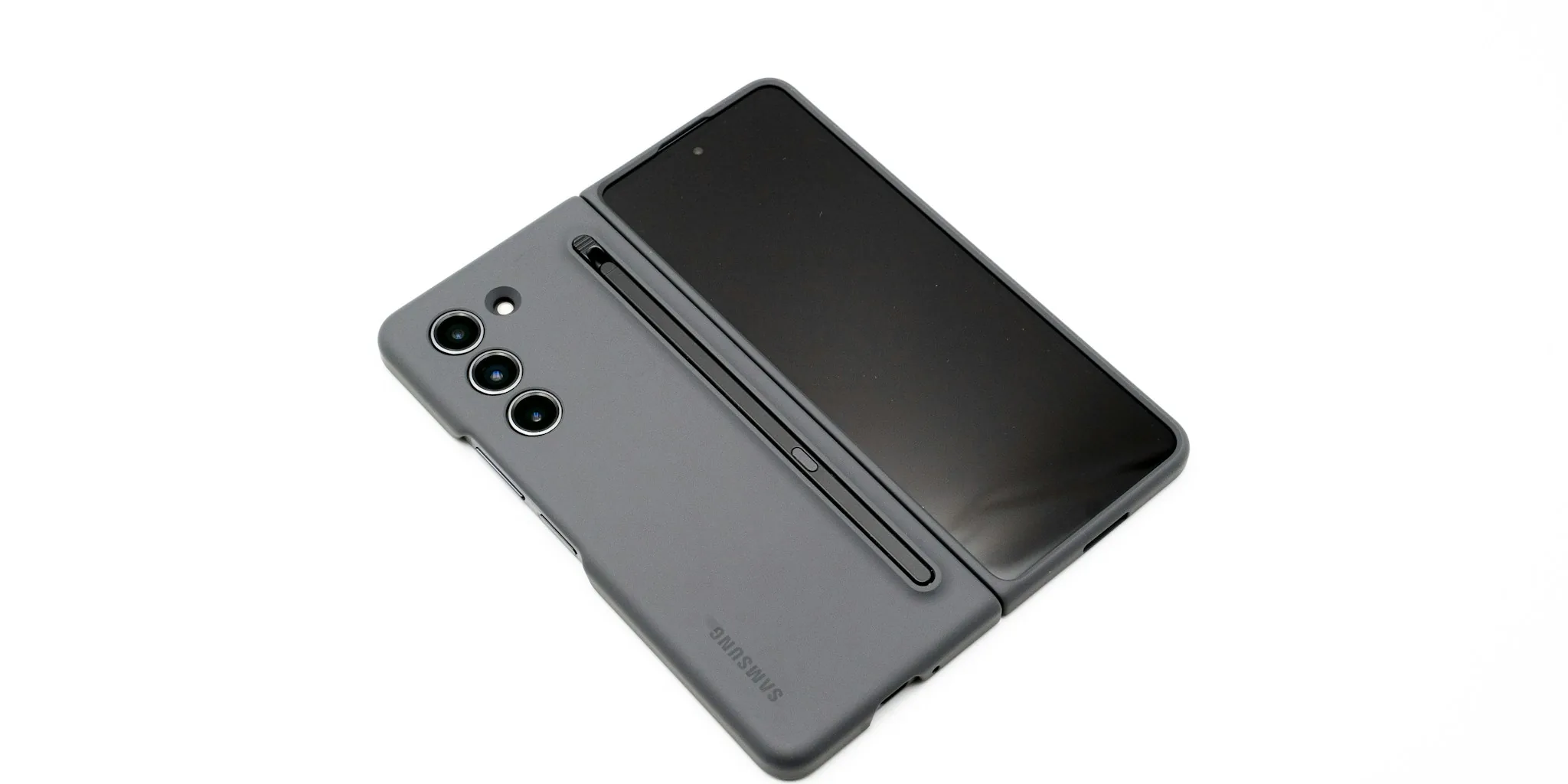
Samsung may be preparing to revolutionize smartphone design with a device that slides open rather than folds. According to recent reports, the company is developing a phone with an expandable display that shifts between different screen proportions, offering users flexibility that traditional folding phones cannot match.
The Sliding Display Concept Explained
Unlike current smartphone designs that fold the screen in half, Samsung’s approach involves a display that extends vertically. The device would start in a more compact form with a 16:9 aspect ratio, then slide outward to reveal a taller 21:9 screen format. This means you could have a relatively standard-sized phone for everyday use, then expand it into a taller device when you want more vertical screen real estate for tasks like reading, video streaming, or productivity applications.
The mechanism would operate differently from previous concepts. Rather than requiring manual adjustment, Samsung’s sliding system appears designed to use a motorized system that automatically extends the display panel around internal rollers. This represents a departure from Samsung’s earlier rollable panel demonstrations at industry events, which required users to manually pull the screen outward. The refined approach could make the technology feel more integrated and seamless.
Design and Engineering Challenges

Samsung’s patent documents hint at the internal structure needed to make this work. The housing would consist of two sections that move relative to each other, with reinforced sliding rails and supporting slats protecting the flexible panel during motion. These mechanical elements are essential for durability but come with a significant trade-off: they take up valuable internal space.
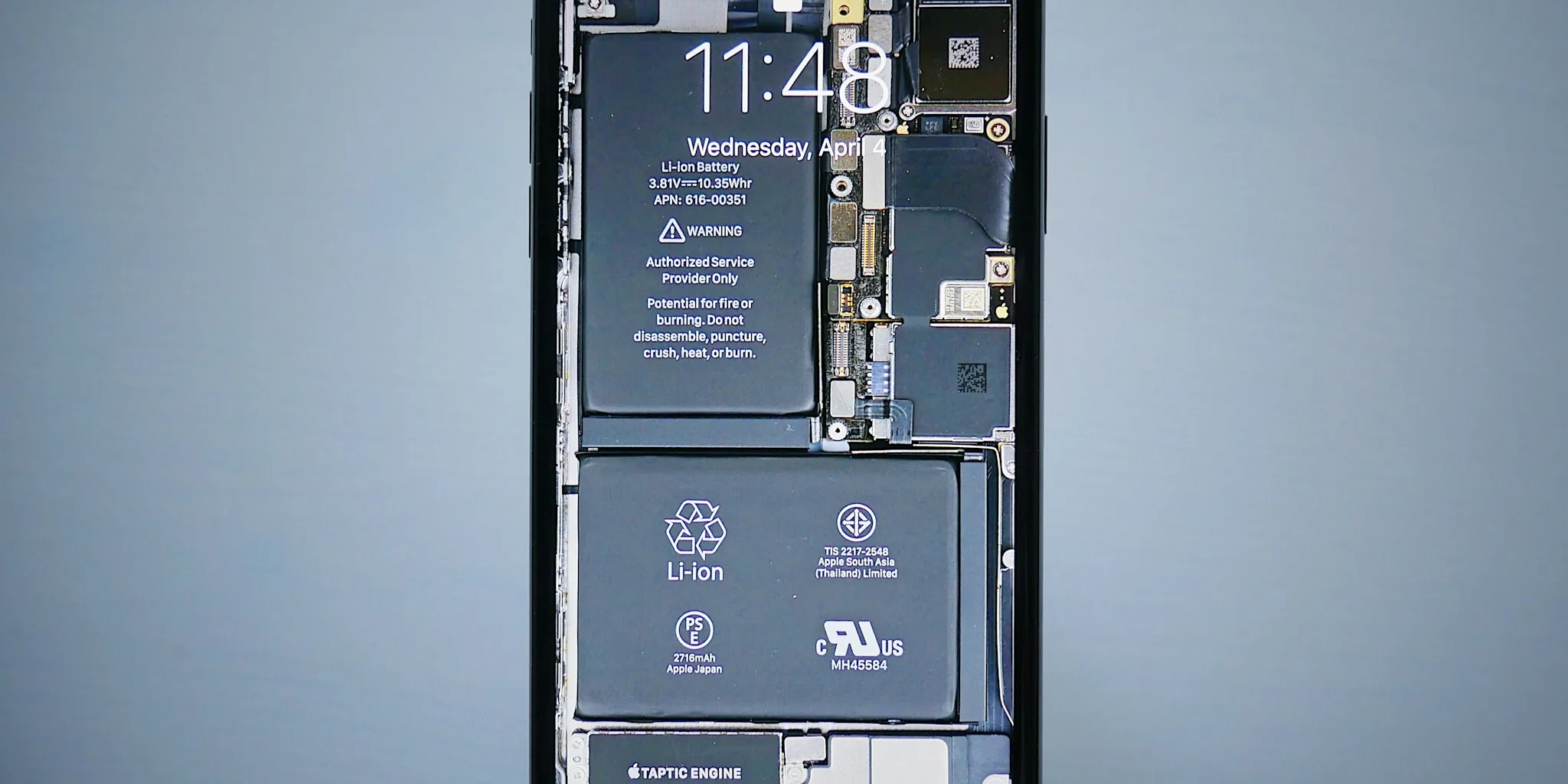
Battery capacity represents the primary concern facing this technology. The motorized sliding assembly requires considerable room inside the phone’s chassis, leaving less available space for battery components. With less battery capacity packed into the device, combined with the increased power demand from running an extended display, Samsung would need to deliver strong battery life to make this a practical everyday phone for most shoppers.
To address this limitation, Samsung might employ silicon-carbon battery technology, similar to what the company used in its Galaxy Z8 series. This advanced battery chemistry allows greater energy density in confined spaces. However, these remain potential solutions based on patent filings rather than confirmed specifications for a finished product.
What This Means for the Smartphone Market
This development signals that Samsung is thinking beyond traditional foldables. While compact smartphones continue to appeal to many users, and larger screens remain popular, the sliding display concept attempts to serve both preferences simultaneously. Instead of forcing users to choose between portability and screen size, a sliding phone could adapt based on the moment and the task at hand.
For buyers currently frustrated with foldable phones, a sliding mechanism might prove more durable and practical. Folding screens experience stress at the crease point, and even premium models show signs of wear over time. A sliding display that extends from the side or bottom might distribute stress more evenly across the panel, potentially improving longevity.
The technology also represents Samsung’s commitment to pushing smartphone innovation beyond incremental improvements. In an era where traditional upgrades feel repetitive, exploring completely new form factors could reignite interest in high-end Android devices and justify premium pricing for early adopters.
Timeline and Availability
Samsung has not officially confirmed this device or provided a launch date. Industry sources suggest a potential commercial release around 2028, though this remains speculative. The company typically takes several years to move from patent filing through prototype development to retail availability. This long timeline reflects the complexity of perfecting such an unconventional design and ensuring it meets consumer expectations for reliability and everyday usability.
The gap between concept and reality also gives Samsung time to solve the battery challenge and perfect the motorized mechanism. Both elements need to function flawlessly for years without degradation, which is no small engineering feat.
Preparing for the Future
While this device remains largely theoretical, its development demonstrates where premium smartphone innovation is headed. Rather than incremental camera improvements or faster processors, manufacturers are increasingly exploring form factors that fundamentally change how users interact with their devices. Samsung’s willingness to invest in sliding display technology suggests the company sees real consumer demand for more adaptable smartphones.
For shoppers considering premium phones today, understanding these upcoming innovations can inform your purchasing decisions. Current Galaxy Z models will remain relevant, but this sliding technology could represent the next major leap in smartphone design once Samsung works through the engineering challenges and delivers a product that prioritizes both innovation and practical everyday performance.
About the author
Eleanor covers smartphones for REMOVU, balancing cameras, battery life, and software support against price. She helps readers find the best value as the field shifts with every release.