Framework Laptop RAM Prices Drop: What This Means for Your Upgrade Budget
Framework found cheaper memory and is passing savings to customers through refunds and price cuts. Here's what you need to know about this rare break in the market.
 By Ava Herrera
Updated September 9, 2026
By Ava Herrera
Updated September 9, 2026
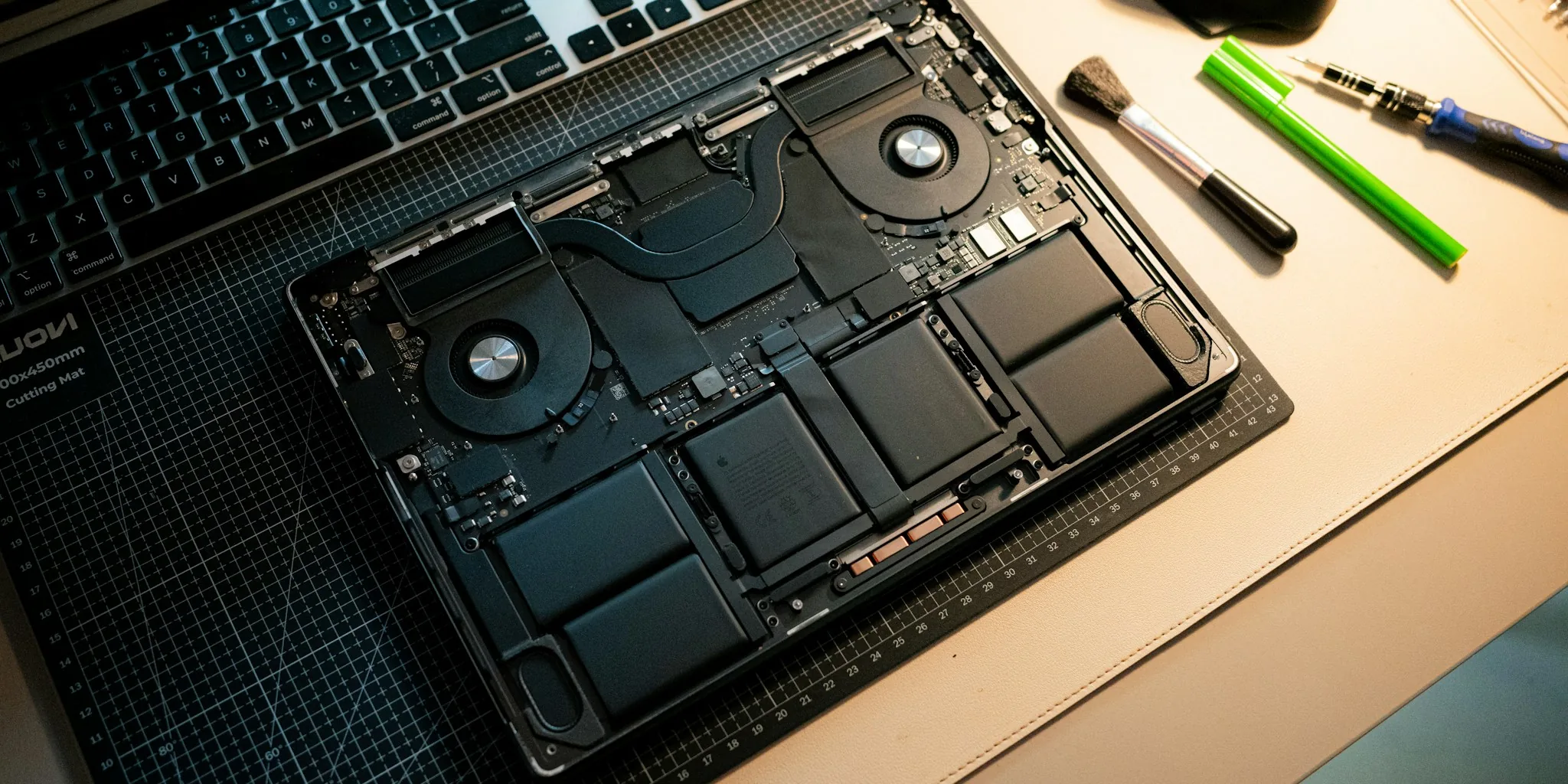
Memory pricing has been a persistent pain point for laptop buyers throughout 2026, but a fresh development in the RAM market is bringing some relief. Framework, the company known for repairable and customizable laptops, has announced it secured a limited batch of lower-cost memory modules and is passing those savings directly to customers. This move offers a rare bright spot in an otherwise challenging landscape shaped by ongoing component shortages.
What Framework Is Doing
Framework discovered an opportunity to source Micron 32GB and 64GB LPCAMM2 memory modules at reduced cost and immediately committed to sharing this benefit with its customer base. The company raised RAM pricing in July due to supply constraints, so this reduction represents a step backward toward more affordable pricing, though costs remain higher than the original pre-order baseline from launch.
The company has implemented a tiered rollout strategy. Customers who already received their Laptop 13 Pro with the higher memory pricing are receiving automatic refunds for the difference. Those with pending pre-orders through Batch 10 configured with the elevated RAM cost will see their pricing adjusted downward, with the option to upgrade their memory configuration at the new lower rate. Any remaining stock from this limited quantity will be offered to later preorder batches and eventually to new customers, with Framework currently processing orders for Batch 20.
Owners of the DIY Edition can also request a configuration change at the updated pricing through a dedicated form, expanding access beyond preorder customers.
Why RAM Pricing Matters to Shoppers
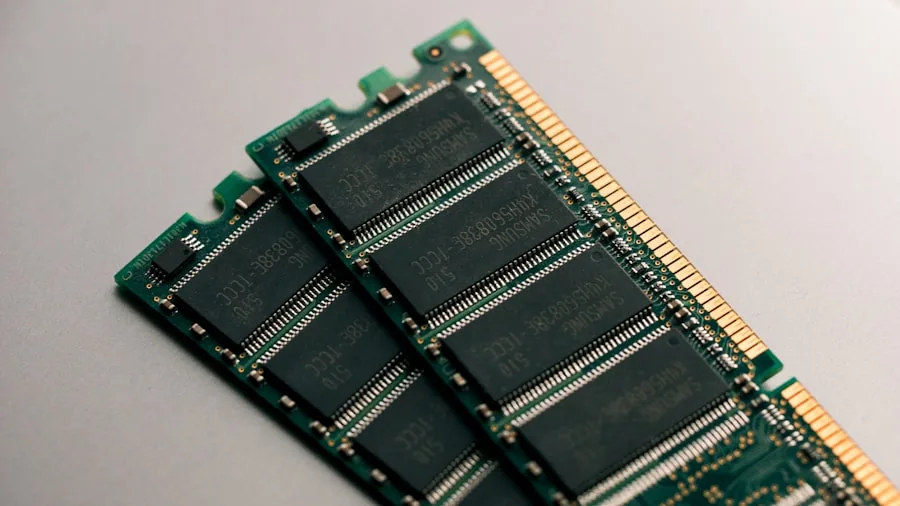
Memory pricing has emerged as a significant factor in total laptop cost. When RAM prices spike, the impact ripples across entire system configurations. A $50 reduction on a 32GB module, or more on 64GB configurations, translates to meaningful savings on premium laptops where memory is a substantial line item. For buyers configuring high-performance machines, these differences can add up quickly across multiple component choices.
Framework’s approach demonstrates that even in constrained markets, companies can negotiate better pricing when inventory becomes available. This is particularly relevant because Framework customers often prioritize upgradability and longevity. Investing in higher memory tiers upfront reduces the likelihood of future upgrade needs, making this moment opportune for those considering more powerful configurations.
The Broader RAM Market Context
This development occurs amid persistent global memory shortages affecting everything from personal computers to data center equipment. Manufacturers have been competing aggressively for limited supply, driving prices upward across the board. Framework’s ability to secure a dedicated allocation at lower cost reflects the company’s position as a boutique builder with direct supplier relationships, a luxury most consumers cannot access independently.
The shortage has accelerated conversations around computing upgrades and total cost of ownership. Buyers are increasingly evaluating whether to purchase higher memory capacities now rather than face even steeper pricing later. Framework’s announcement validates this strategy for those in a buying window.
What Buyers Should Do

If you have a Framework Laptop 13 Pro pre-order pending, check your batch number and memory configuration. Those in Batch 10 or earlier with memory selected at the higher price should see automatic adjustments and can explore upgrading to larger capacities at the newly reduced cost. The margin between upgrade costs has compressed, potentially making 64GB configurations more attractive relative to 32GB than they were previously.
For shoppers still in decision mode, this announcement reinforces the value of acting when pricing breaks occur. Memory allocations are limited, and as Framework fulfills higher-priority batches, availability of the discounted rate may not persist. Pre-order visibility into pricing tiers is a clear advantage here.
New customers placing orders should also monitor this situation. Framework’s configuration page shows current batch availability, and understanding the refund and price adjustment policy helps frame expectations about future reductions. While no one can predict whether additional discounts will emerge, the willingness to adjust pricing downward suggests the company will continue evaluating opportunities as supply evolves.
Looking Forward
This announcement represents a meaningful but modest victory in the ongoing struggle against elevated component costs. The savings are real, the distribution is fair, and the company’s commitment to accessibility is evident. However, the allocation remains limited, and pricing still exceeds original targets. Shoppers should treat this as a window of opportunity rather than a guarantee of sustained lower pricing.
The laptop market continues to respond to supply realities. Any buyer considering a premium configuration should evaluate whether this moment aligns with their timeline and budget, recognizing that such favorable pricing events may be intermittent in the near term.
About the author
Ava is REMOVU's laptop writer, balancing speed, battery life, and build quality against price across the whole range. She helps readers find the sweet spot as each new chip shifts what a dollar buys.