Extreme Xbox Game Collecting: What the Kinect Adventures Obsession Reveals About Console Collectors
A dedicated gamer accumulated 400 copies of the same Xbox 360 title. Here's what the unusual collection reveals.
 By Serenity Richards
Updated September 7, 2026
By Serenity Richards
Updated September 7, 2026

A Reddit user has sparked conversation in the gaming community by assembling an extraordinary collection of 400 copies of a single Xbox 360 title: Kinect Adventures. While the game itself is neither rare nor particularly expensive, this collector’s dedication raises interesting questions about what drives gaming enthusiasts to build specialized collections and what it means for the retro gaming market.
The Story Behind the 400-Copy Collection
The Kinect Adventures phenomenon illustrates a unique approach to game preservation and fandom. Unlike traditional collectors who pursue rare or high-value titles, this enthusiast has focused exclusively on accumulating multiple copies of one game. Kinect Adventures was bundled with many Xbox 360 Kinect sensors, making it widely available on the secondhand market at affordable prices. The collector’s strategy turns the typical collector’s mindset on its head: instead of hunting for rarity, they celebrate abundance by securing hundreds of physical copies of the same title.
This unconventional collection reflects a broader trend in retro gaming communities. Rather than pursuing expensive or scarce games, many modern collectors prioritize fun and nostalgia. Game consoles from the Xbox 360 era continue to attract dedicated fans decades after their initial release, and the secondhand market remains robust for accessories and games alike.
What This Means for Kinect Game Collectors

The Kinect library offers a unique advantage for collectors interested in building affordable collections. These games remain plentiful in charity shops and secondhand marketplaces at reasonable prices, typically selling for just a few dollars or pounds per copy. Kinect Star Wars and other motion-controlled titles maintain loyal followings, particularly among players introducing younger family members to the Xbox 360 ecosystem.
If mass accumulation of a single title becomes a widespread trend among collectors, market dynamics could shift. Currently, Kinect games remain accessible, but concentrated purchasing could tighten supply and drive up prices over time. However, the sheer volume of Kinect software that entered the market means that even significant collecting efforts are unlikely to exhaust the available supply in the near term.
Understanding Modern Game Collectors’ Motivations
The Kinect Adventures collection exemplifies how collecting culture has evolved. Older collecting conversations often focused on investment potential, rarity metrics, and resale value. Contemporary collectors, particularly in the retro gaming space, increasingly prioritize the joy of acquisition and the nostalgia associated with games they remember or want to share with others.
This shift reflects healthier attitudes toward gaming as a hobby. The focus moves away from treating games as financial assets and instead celebrates them as cultural artifacts worth preserving and enjoying. Building a specialized collection, whether it comprises 400 copies of one game or a diverse range of titles, becomes a personal statement about gaming interests and values.
The Broader Xbox 360 Collecting Scene
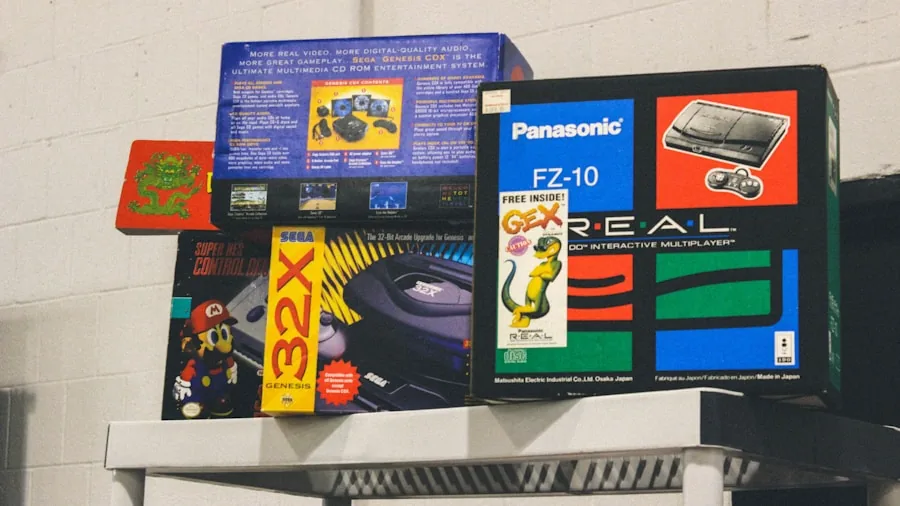
The Xbox 360 remains one of the most collectible gaming platforms of the previous generation. With a vast library of exclusive titles, backward-compatible games that work on newer Xbox consoles with external storage solutions, and numerous Kinect-exclusive offerings, the platform offers something for every type of collector. Whether someone seeks action games, sports titles, or motion-controlled adventures, the secondhand market provides options at various price points.
Players continuing to build their Xbox 360 libraries often focus on games that defined their childhood or gaming experiences. The accessibility of these games at affordable prices removes financial barriers that might otherwise prevent collectors from acquiring multiple titles. Additionally, the durability of physical game media means that even used copies function reliably, making secondhand purchases a practical choice.
Implications for the Retro Gaming Market
Collections like the Kinect Adventures assemblage remind us that game preservation takes many forms. Institutional preservation efforts receive media attention, but individual collectors contribute significantly to keeping older games in circulation and accessible. By purchasing used copies, collectors support a circular economy that extends the commercial life of aging software.
For shoppers considering building their own retro game collections, the message is clear: rarity and cost need not determine collecting value. Platforms like Xbox racing wheels and accessories continue thriving because collectors and players invest in their favorite systems. Starting a collection can begin with affordable titles that spark personal joy rather than pursuing expensive rarities.
The Kinect Adventures phenomenon encourages collectors to define their own collecting goals rather than following traditional metrics of rarity or market value. Whether accumulating one game obsessively or building a diverse library, the most meaningful collections reflect personal gaming history and genuine enjoyment. This perspective makes game collecting accessible to anyone with interest in gaming history and a modest budget.
About the author
Serenity covers home game consoles for REMOVU, weighing performance, exclusive libraries, and the ecosystem each platform locks you into. She helps players pick the console that fits how and what they play.