Elah Ring S1 Smart Ring Launch: What Buyers Should Know About Faith-Based Wearables
Elah Ring S1 combines health tracking with screen-free spiritual reminders to help users stay grounded without constant alerts.
 By Isabella Reyes
Updated November 5, 2026
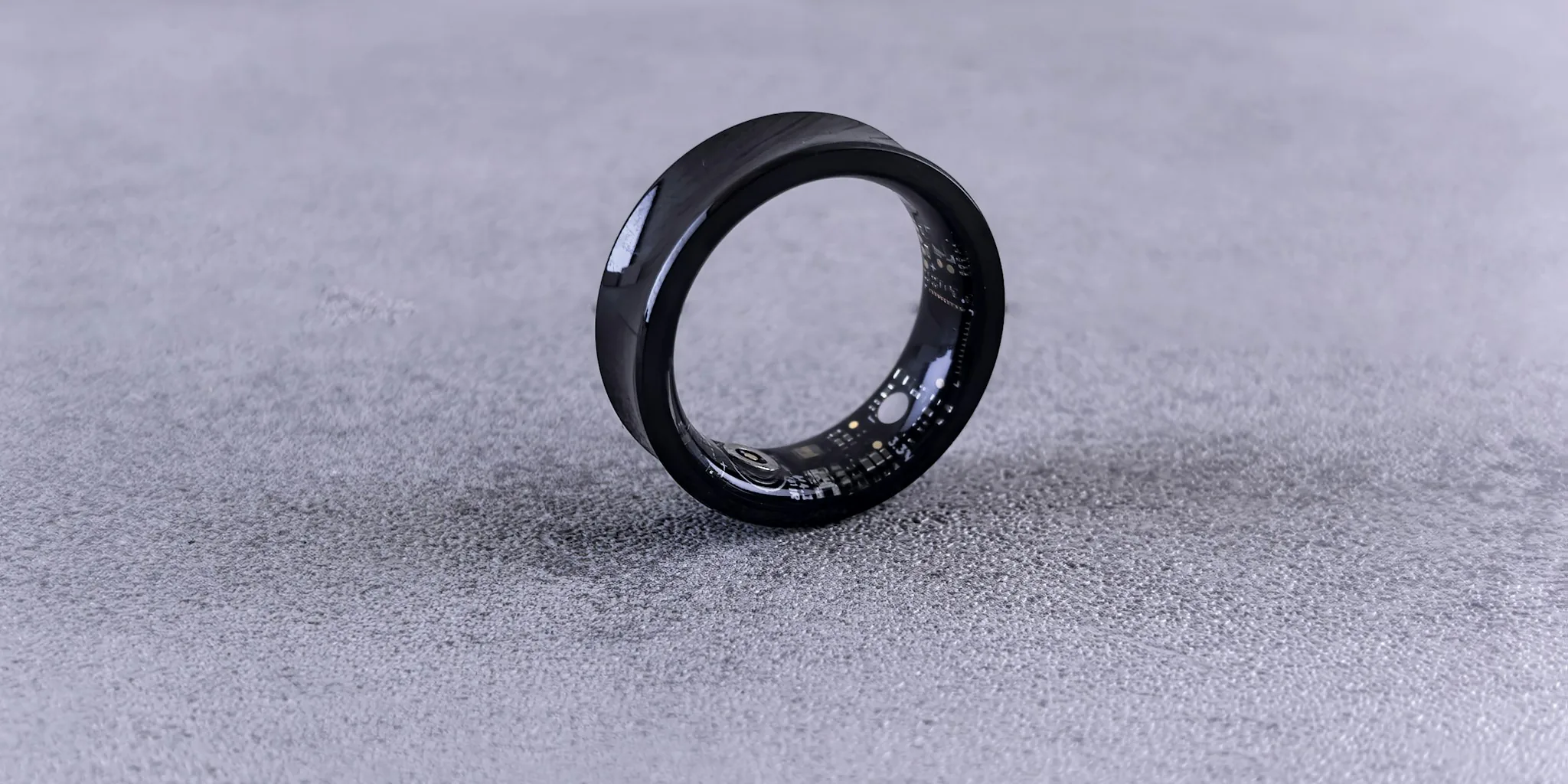
A new player has entered the smart ring market with a distinct focus: combining health tracking with faith-centered features in a screen-free device. The Elah Ring S1 represents a shift in how wearable technology can serve users who want to reduce notification fatigue while deepening their spiritual practice. For shoppers considering their next wearable, this launch raises important questions about what a smart ring can do beyond fitness metrics and why some users might choose minimal-screen interaction.
The Elah Ring S1 distinguishes itself through deliberate design choices that prioritize simplicity over constant connectivity. Rather than displaying notifications or forcing users to check their phones, the ring communicates through a cross-shaped LED light and gentle vibrations. This approach addresses a growing concern among consumers: the constant stream of digital alerts that keep people tethered to their devices. The ring’s screen-free framework makes it an alternative worth considering for anyone looking to reclaim attention and stay more present during daily activities.
What Makes This Smart Ring Different
The device pairs aerospace-grade titanium with medical-grade resin, creating a lightweight accessory rated for water resistance up to 30 meters. This construction supports everyday wear across work, exercise, sleep, and leisure. The battery typically lasts four to six days on a single charge, with full charging taking about 1.5 hours via USB-C. Available in silver, black, and two gold tones, the ring’s aesthetic emphasizes minimalism rather than tech-forward styling.
The real differentiation lies in how the ring’s three integrated sensors, a heart rate monitor, motion detector, and temperature sensor, connect to a larger ecosystem. Rather than simply logging data, the Elah Ring S1 tracks seven health metrics: heart rate, heart rate variability, blood oxygen saturation, sleep, stress, activity, and body temperature. These readings then integrate with spiritual reminders the user sets through the companion app, creating a system that links physical wellbeing to intentional reflection.
Health Tracking Meets Spiritual Practice

The ring stores up to five preset devotional reminders offline, meaning users can receive prompts even when their phones are nearby. When a scheduled reminder triggers, the cross-light glows and the ring vibrates, no pop-up notifications or audible sounds. This allows for quiet moments of prayer or reflection without interruption. The app offers additional features like guided breathing practices, Bible reading options, and access to an AI companion called FaithMate that provides faith-grounded encouragement.
One noteworthy feature: when the ring detects elevated stress or a heart rate above a user-defined threshold, it can proactively prompt a pause. Users control whether they want this feature active, and they can choose to open the app for a guided response or simply acknowledge the reminder. The company is explicit that this feature does not provide medical diagnosis or emergency monitoring, positioning it as a wellness awareness tool rather than a health device.
How This Fits Into the Broader Smart Ring Market
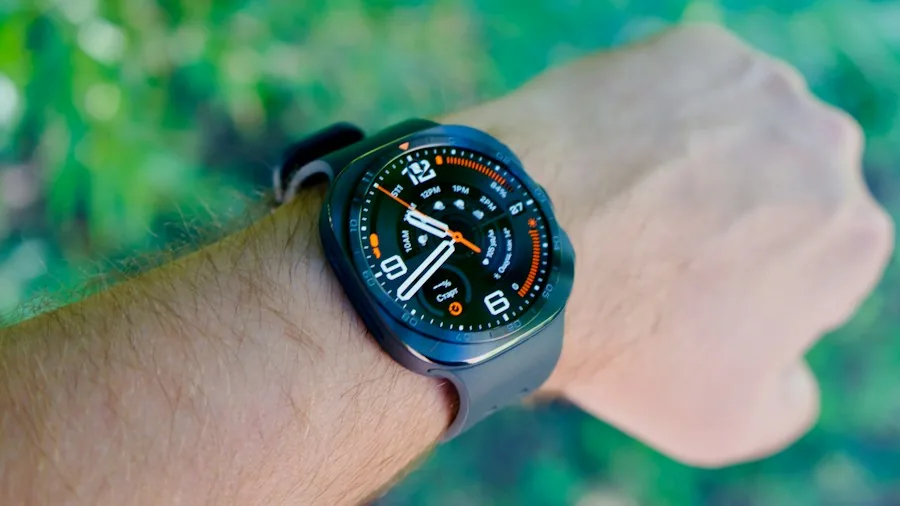
The smart rings worth buying for every health goal category has expanded significantly. Most focus on general fitness and sleep tracking. The Elah Ring S1’s faith-centered approach carves out a niche for users who prioritize spiritual growth alongside physical wellness. For those researching smart rings for fitness, this model offers solid health metrics but appeals to a specific audience rather than competing on performance alone.
The device works with both iOS and Android, though users should verify compatibility before purchasing. The app displays collected data through journey reports that help users identify patterns across days, weeks, and months. A visual element, a plant that grows as users engage with reminders and journal entries, gamifies the experience without the pressure of competitive scoring or achievement badges.
What Shoppers Should Consider
The Elah Ring S1 appeals most to buyers who feel overwhelmed by constant screen notifications and want a wearable that respects that boundary. If your primary goal is comprehensive fitness metrics compared to leading sport-focused rings, this device emphasizes balance differently. Its value proposition centers on integration: health data becomes meaningful when connected to intentional moments of pause and reflection.
Battery life remains a practical consideration. Four to six days means charging weekly, which is reasonable for most users but differs from some competitors claiming longer intervals. The price point and exact availability in various retailers should be verified as the product rolls out.
The launch signals that wearable companies see an opportunity in addressing user fatigue rather than adding more features. Whether you’re motivated by faith, wellness, or simply wanting fewer notifications on your wrist, the Elah Ring S1 demonstrates that smart rings can serve purposes beyond tracking steps and calories.
About the author
Isabella writes about smart rings for REMOVU, weighing sensor accuracy, comfort, and subscription costs for sleep and recovery tracking. She helps readers decide whether a ring beats a wrist wearable.