DDR5 Memory Scalper Bots Surge: What Shoppers Need to Know About Rising Prices
Automated bots outnumber real shoppers 10 to 1 on DDR5 listings, pushing prices up fivefold in one year.
 By Beverley Reynolds
Updated August 21, 2026
By Beverley Reynolds
Updated August 21, 2026
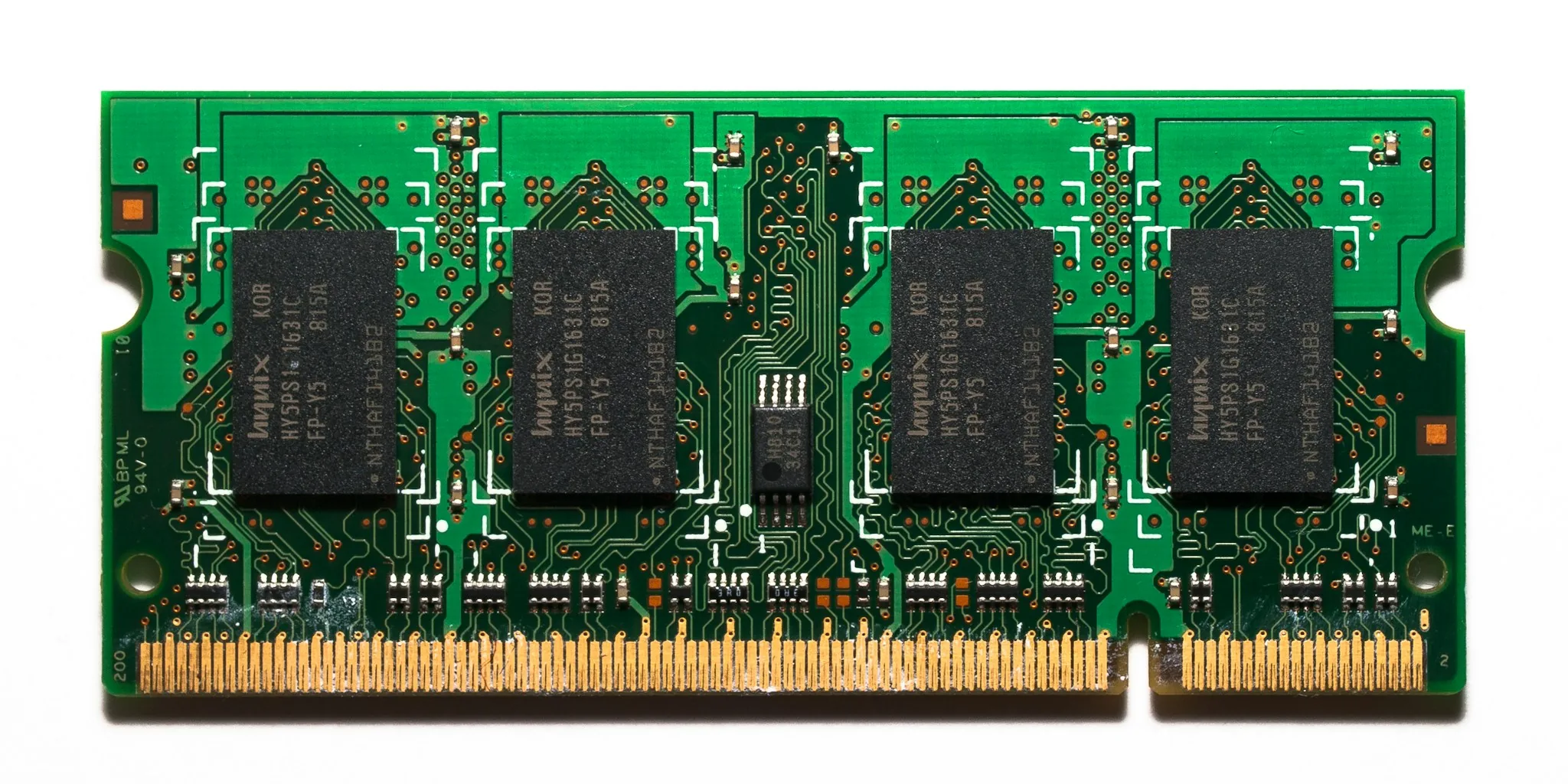
Automated Software Overwhelms DDR5 Listings
The market for DDR5 memory is facing a significant disruption driven by automated software designed to monitor and purchase inventory faster than any human shopper could manage. According to recent research, bot activity on DDR5 product pages has reached alarming levels, with some retailers reporting that automated requests now outnumber legitimate customer visits by a ratio of roughly 10 to 1. Security researchers tracking this activity have documented that some retail listings are being scraped by bots as frequently as once every 6.5 seconds, a relentless pace designed to identify and capture stock the moment it becomes available.
The scope of this bot activity is staggering. One major retailer revealed that bots account for approximately 91 percent of all traffic reaching its DDR5 memory product pages, according to data from security firm DataDome. This represents a sharp increase from earlier measurements that showed a 6 to 1 ratio of bot traffic to human visitors across multiple e-commerce platforms. The bots are designed with sophisticated techniques, including cache-busting parameters that prevent them from relying on outdated stock information, ensuring they always see the most current inventory status.
Prices Have Climbed Dramatically
The flooding of bot activity has coincided with steep price increases across the DDR5 market. A 32GB DDR5 memory kit that retailed for around $72 just a year ago now costs approximately $392 on average, representing a more than fivefold increase in just twelve months. Even more extreme price inflation is visible in larger capacity modules, with some 128GB DDR5 kits reaching $3,399, which is approximately ten times what those same modules cost at their lowest recorded prices.
These aren’t isolated price spikes either. On secondary marketplaces, the markups become even more pronounced. A popular 32GB DDR5 kit that carries a retail price of around $430 was recently listed for $836 on resale platforms, roughly double the manufacturer’s suggested retail price and about seven times its pre-shortage cost. This pattern mirrors earlier scalping problems that affected graphics cards and gaming consoles, though with a critical difference: those shortages eventually resolved when manufacturing ramped up to meet demand. The DDR5 situation appears to have no equivalent supply relief date visible before 2027 at the earliest.
Why This Matters for Consumers
DDR5 memory is essential for anyone building or upgrading a modern computer system. Yet the combination of limited supply and aggressive bot activity has made purchasing at reasonable prices extremely difficult for ordinary shoppers. Retailers have begun implementing protective measures in response. Some major computer retailers now restrict DDR5 memory sales to in-store purchases only with strict quantity limits per household. Other retailers have created bundle deals pairing memory with processors, which forces resellers who acquire these bundles to also move the CPU components alongside the memory, adding friction to resale operations.
Some manufacturers have responded by temporarily pausing consumer sales altogether. Framework, a company known for modular computers, stopped selling standalone RAM modules in late 2024, citing scalper interference as the primary reason. This decision underscores how bot activity isn’t just inflating prices for end consumers, it’s pushing legitimate manufacturers to rethink their distribution channels entirely.
Supply Constraints Are Severe
The scalping problem is being amplified by genuine supply shortages. Major memory manufacturers have reportedly already allocated most of their 2027 production output to large technology companies and data center operators who place advance deposits. Industry analysts predict that conventional DRAM pricing will continue climbing, with additional increases of 13 to 18 percent expected in the third quarter of 2025 alone, following increases of roughly 60 percent in the previous quarter.
Additionally, independent memory module makers that don’t have access to the best DDR5 RAM options from major DRAM suppliers face even steeper constraints. Supply to these smaller manufacturers is expected to decline significantly, creating cascading effects throughout the consumer memory market.
What Should Shoppers Do Now
For consumers who need DDR5 memory, the current environment demands patience and strategic purchasing. Waiting for significant price reductions appears unlikely in the near term given supply forecasts extending into 2027. Instead, shoppers should focus on monitoring retailer bundle deals, which often price memory considerably below standalone costs when paired with processors. Setting up price alerts on major retailers can help identify when inventory becomes available, though buyers should expect to act quickly given the bot competition.
Those with flexibility in their upgrade timelines may benefit from delaying purchases until supply conditions improve. For others who cannot wait, purchasing through retailers that enforce purchase limits or require in-store transactions may provide some protection against paying inflated resale prices, even if the official prices are elevated compared to historical levels.
About the author
Beverley is REMOVU's memory writer, matching DDR4 and DDR5 kits to each platform on speed, capacity, and value. She helps builders get the right RAM without overpaying.