Bose QuietComfort Ultra Headphones Get Major Bluetooth Upgrade: What Shoppers Need to Know
Major firmware update brings Auracast, enhanced USB-C performance, and spatial audio to flagship Bose headphones.
 By Nevaeh Ross
Updated September 28, 2026
By Nevaeh Ross
Updated September 28, 2026
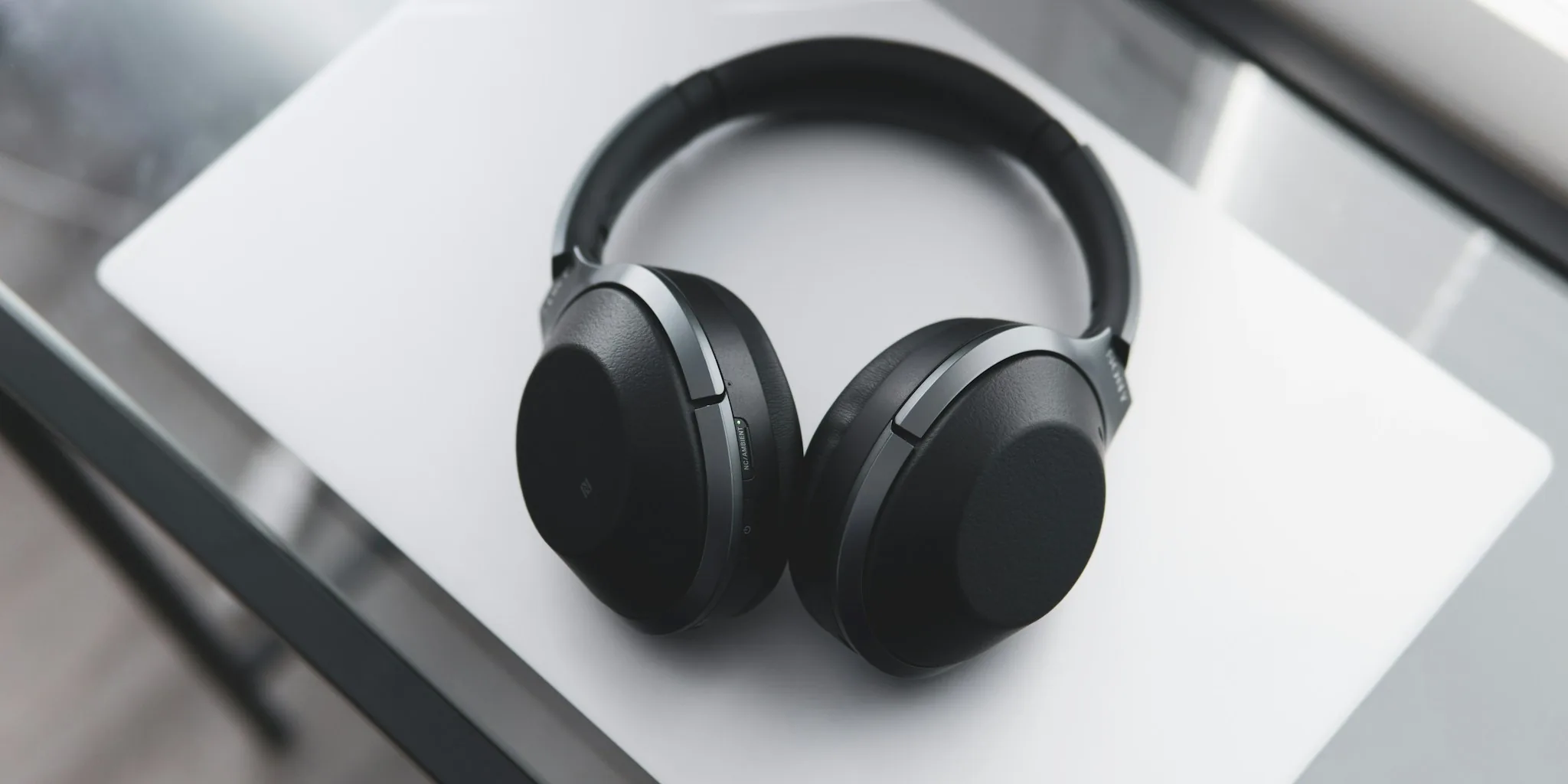
Bose is rolling out a significant firmware update to its flagship QuietComfort Ultra Headphones (2nd Gen) that brings cutting-edge Bluetooth connectivity features and refined audio performance. The 10.12.12 update, arriving in beta this week, represents a meaningful leap forward for anyone considering a premium headphone purchase or already owning these models.
Bluetooth LE Audio and Auracast Support Arrives
The update introduces Bluetooth LE Audio compatibility, enabling two major capabilities that expand how and where you can use your headphones. Auracast technology allows your headphones to connect to broadcast audio streams in public venues such as theaters, churches, and stadiums, letting you listen to live commentary, sermons, or theatrical productions directly through your personal device. On a smaller scale, Auracast also enables a single phone to share audio with multiple pairs of headphones simultaneously, making it useful for family viewing or group settings.
This functionality relies on the LC3 Bluetooth codec, which delivers higher audio quality while consuming significantly less power than the older SBC standard. Currently, only select Android phones fully support LE Audio, Auracast, and the LC3 codec, meaning Android users will see the most immediate benefit from these upgrades. Bose confirms that LE Audio features work exclusively on compatible Android and Windows devices.
USB-C Audio Performance Gets a Significant Boost
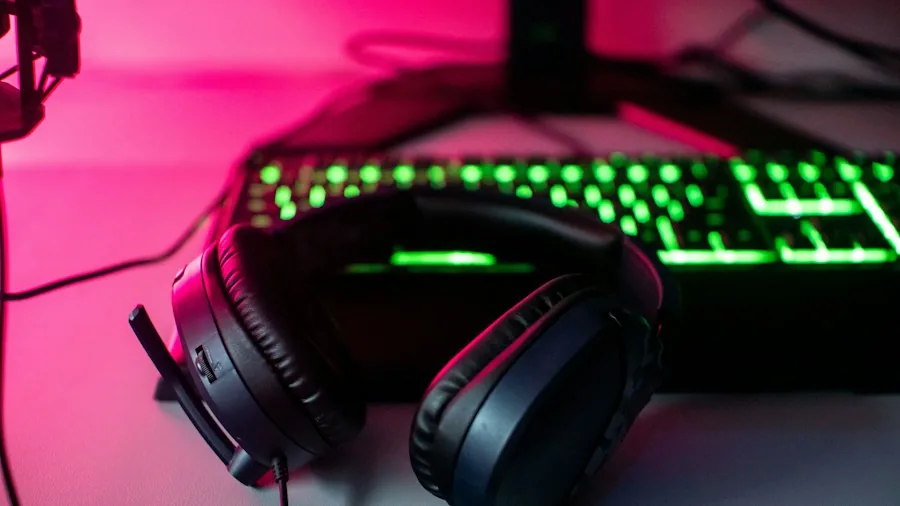
Beyond wireless improvements, the firmware update refines USB-C audio capabilities in ways that matter for active users. The headphones already supported 24-bit/48kHz lossless audio streaming over USB-C, but the new update enables enhanced performance specifically for gaming and video calling scenarios.
When connected via USB-C to a PC or mobile device, the headphones can now achieve 48kHz sample rates for the audio drivers paired with 16kHz sample rates for the microphone. This dual-rate capability improves voice clarity during web conference calls and game chat, while also providing better audio balance for competitive gaming sessions. It’s worth noting that these upgraded features apply only to computers and mobile devices, not gaming consoles.
The refined USB-C audio performance enhances the connectivity experience by delivering clearer voice transmission and more nuanced audio streaming during real-time applications where lag or degradation can affect experience quality.
5.1 Spatial Audio Lands on Android
The 10.12.12 update also brings 5.1 spatial audio support to compatible Android devices, expanding the immersive audio experience beyond what was previously available. This addition aligns the QuietComfort Ultra Headphones with modern content consumption patterns, where spatial audio increasingly features in streaming services and media platforms.
How This Positions Bose in the Competitive Landscape
These upgrades matter because they address specific gaps in Bose’s product positioning relative to competitors. Among major headphone manufacturers like Apple, Sony, Sennheiser, and Sonos, only Bose and Sony currently offer Auracast support. While JBL and Google have embraced Auracast, they haven’t matched the over-ear headphone performance that Bose delivers.
Simultaneously, Bose’s USB-C refinements exceed what Sony offers in wired audio performance, and the LE Audio feature set surpasses Sennheiser’s capabilities. For Android users specifically, these Bose headphones now provide connectivity options that Apple’s ecosystem does not support, which may sway purchasing decisions for those invested in Android devices.
The underlying Bluetooth 5.4 and Bluetooth Low Energy hardware that powers these headphones already supported these advanced features at a technical level. The firmware update simply unlocks capabilities that were embedded in the device from launch, demonstrating why flagship headphone hardware matters even before new software arrives.
What Shoppers Should Know Before Updating

If you own QuietComfort Ultra Headphones (2nd Gen), you can access these beta features immediately through the Bose app. The update process is straightforward and optional at the beta stage, allowing early adopters to test new features before a final release.
For anyone evaluating gaming headsets or premium audio devices, this update reinforces that the QuietComfort Ultra Headphones (2nd Gen) are positioned as a long-term investment. Manufacturers that continue delivering meaningful software improvements demonstrate commitment to customer value beyond the initial purchase, which matters when selecting headphones in the premium price category.
The distinction between the flagship Ultra model and Bose’s more affordable QuietComfort Headphones (2nd Gen) becomes clearer with this update. Both include spatial audio and advanced noise-cancellation, but the Ultra variant now offers LE Audio, Auracast, and superior USB-C performance that justify the price premium for connectivity-focused users.
Looking Forward
This firmware release signals that Bose is taking wireless audio standards seriously and committing to future-proofing its premium devices. As Bluetooth LE Audio adoption accelerates across Android phones and venues begin implementing Auracast broadcasts more widely, early compatibility ensures your headphones remain relevant for years to come. The USB-C enhancements address real-world usage patterns in gaming and remote communication, not just abstract technical specifications.
Whether you’re a current owner or considering a purchase, this update represents substantial value added to an already capable device, making it worth attention regardless of which smartphone platform you use.
About the author
Nevaeh is REMOVU's over-ear headphone writer, judging sound, comfort, and value across wireless and wired models. She helps readers find a spacious, long-wear pair for home or travel.