Apple’s Smart Display Lineup Expansion: What Shoppers Need to Know
Apple's major smart home expansion could reshape how consumers choose their smart displays and hubs.
 By Jeffrey Kuhn
Updated August 15, 2026
By Jeffrey Kuhn
Updated August 15, 2026

Apple is preparing a major overhaul of its smart home strategy, with multiple new devices in development that could reshape how consumers interact with their homes. The company, which has long lagged behind competitors like Google and Amazon in the smart display and smart home space, is reportedly planning to introduce several new products over the coming months and years. For shoppers invested in Apple’s ecosystem, this expansion signals meaningful changes ahead.
New Smart Displays and Hubs Coming Soon
The centerpiece of Apple’s smart home roadmap is a new dedicated smart display device, internally referred to as “HomePad.” This product could arrive between October 2024 and early 2027 and represents Apple’s first serious entry into the smart displays and hubs market. Apple is considering two different designs: a wall-mounted display version and a speaker-based model similar to what Google offers with its Nest Hub lineup.
The display is expected to feature a 7-inch square screen and run on a new operating system called homeOS. It would be powered by an A18 chip, enabling features like FaceTime calls, smart home device control, and integration with Siri’s upcoming AI capabilities. This represents a significant departure from Apple’s current approach, which relies on standalone speakers and the Apple TV as de facto smart home hubs.
Apple is also reportedly developing a more advanced version with a larger 9-inch display and a robotic arm, turning it into an interactive tabletop device. These options would give consumers different form factors depending on their home setup and preferences.
Upgraded HomePod and Apple TV 4K Models
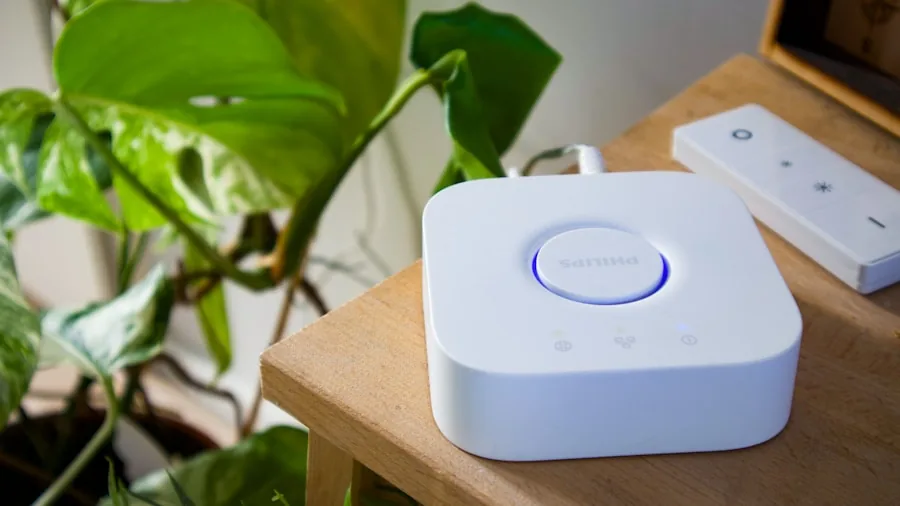
Before the HomePad arrives, Apple plans to refresh its existing smart home products. Updated versions of the HomePod mini and Apple TV 4K are expected to launch in fall 2024. The HomePod mini could move from the S5 chip to the newer S9, with potential improvements to its wireless connectivity. More importantly, both products are expected to support Siri’s new AI features, making them significantly more capable for voice commands and smart home automation.
Apple TV 4K could receive a processor upgrade from the A15 Bionic to the A17 Pro chip, which would enable local processing of some Apple Intelligence features rather than relying on cloud servers. A redesigned remote is also under consideration. Current pricing sits at $129 for HomePod mini and $199 for Apple TV 4K, with reports suggesting these prices may remain stable for the refreshed models.
Security Cameras and Doorbells on the Horizon
Looking further ahead, Apple’s smart home ambitions extend well beyond speakers and displays. The company is reportedly developing its first dedicated security products, including a smart security camera and intelligent doorbell. These devices would allow homeowners to monitor their properties directly through Apple’s ecosystem, filling a gap that currently requires third-party solutions or purchases from competitors.
A full-size HomePod update is also in development, though no firm release date has been announced. The refreshed speaker would receive a newer processor to support Siri AI functionality.
What This Means for Shoppers
Apple’s expanded smart home roadmap signals that the company is committing real resources to compete in a market dominated by Amazon and Google. For existing Apple users, these new devices could create a more cohesive ecosystem where phones, tablets, and home hardware work together seamlessly.
The introduction of smart displays under $150 would position Apple more competitively in the market, where budget-conscious shoppers typically turn to rival brands. However, success ultimately depends on whether Siri’s AI improvements make these devices genuinely useful for everyday tasks like controlling lights, checking weather, video calling, and managing entertainment.
One critical advantage Apple holds is integration with HomeKit, its smart home platform. Unlike some competitors that rely on Wi-Fi or cloud connectivity, HomeKit uses a secure encrypted approach that appeals to privacy-conscious consumers. New hardware could strengthen this ecosystem and make HomeKit more attractive to buyers considering their smart home options.
For shoppers currently weighing whether to invest in smart home technology, Apple’s expanded lineup suggests the company is finally taking this category seriously. Those considering smart display alternatives may want to wait for more details about Apple’s offerings before making a purchase decision. The fall 2024 HomePod mini and Apple TV 4K refreshes will provide the first indication of whether Apple’s new AI-powered approach delivers the improvements the company promises.
The broader message is clear: smart home hardware will remain a competitive and evolving category. Shoppers should evaluate their priorities, whether that’s ecosystem integration, privacy, ease of use, or price, before making commitments to any particular brand’s platform.
About the author
Jeffrey covers smart displays and home hubs for REMOVU, weighing control, features, and value as the center of a connected home. He helps readers build routines that actually simplify daily life.