Apple’s New PROLED MacBook Pro Revealed: What Buyers Should Know About Repairability and Design Changes
New teardown reveals illuminated logo design, repairability scores, and weight savings in Apple's touchscreen MacBook Pro.
 By Ava Herrera
Updated November 11, 2026
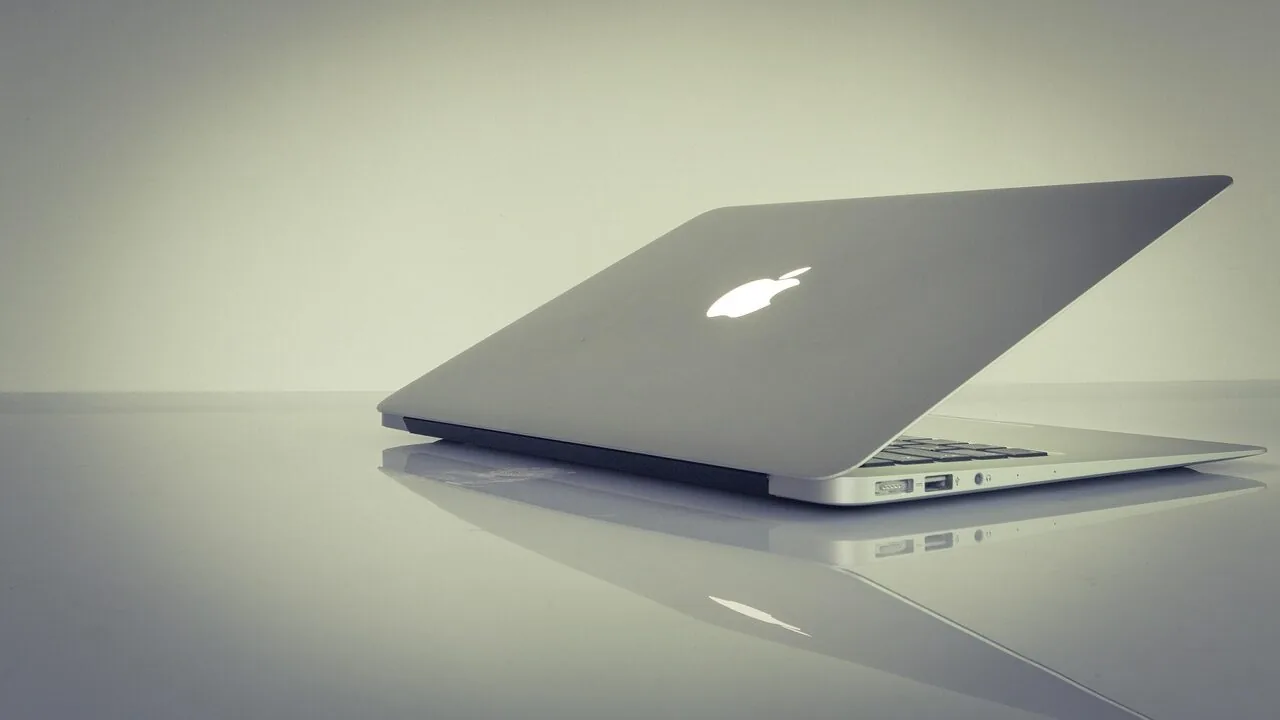
Apple’s latest PROLED touchscreen MacBook Pro has attracted significant attention following a detailed teardown analysis that reveals how the company engineered this new device. For buyers considering a purchase, understanding what’s inside and how repairs work is crucial, especially since the design introduces both improvements and limitations that affect long-term ownership costs.
The Glowing Logo Mystery Solved
One of the most striking features of the new PROLED MacBook Pro is its illuminated rear Apple logo. Unlike traditional backlit designs, Apple implemented a clever solution using four individual LEDs, a reflective layer, and a diffuser to create an even glow across the entire logo. When the display is powered off, a two-way mirror coating on the logo surface gives it a sleek, reflective finish that maintains Apple’s aesthetic standards.
However, buyers should be aware that accessing this logo for any repairs presents a significant challenge. The logo sits directly behind the display panel, meaning the entire screen must be removed for any maintenance work. This design choice prioritizes visual appeal over serviceability, which could translate to higher repair costs down the road if the logo mechanism experiences issues.
Hinge Design and Touchscreen Engineering

Apple advertises the PROLED model as having a hinge designed specifically for touch interaction. While the fundamental structure mirrors the previous generation M6 MacBook Pro’s hinge, Apple stiffened this component to provide better resistance when users tap the display. This engineering change helps prevent the screen from moving excessively during touch input, though the overall architecture remains largely consistent with earlier designs.
The touchscreen integration itself proved more straightforward than expected. Testing revealed that swapping logic boards between different PROLED models and running Apple’s Repair Assistant showed full compatibility across components, including the touchscreen and Touch ID sensors. This suggests Apple avoided introducing new parts pairing restrictions with the touchscreen functionality, which is good news for future repairs and component upgrades.
Repairability Trade-offs: What You Need to Know
The PROLED MacBook Pro earned a repairability score that places it in the middle ground. The Thunderbolt and USB-C ports remain replaceable without removing the main logic board, which is a practical advantage for users who experience port damage. Similarly, the cooling fans can be serviced with relative ease.
However, several components present challenges. The HDMI port and SD card slot are soldered directly to the logic board, meaning replacement requires removing the entire logic board from the chassis. The same applies to the solid-state drive and memory, which are also soldered in place rather than using modular slots. This design approach allows Apple to optimize internal space and reduce overall weight, but it limits user options for upgrades or repairs.
For those interested in maximizing port versatility and expandability, exploring USB-C dock solutions could provide additional connectivity without relying on internal ports that may be difficult to repair.
Weight Savings Through Material Reduction
Apple achieved a notable weight reduction compared to the previous M6 generation through careful engineering choices. The lower chassis weighs 364 grams, down from 456 grams in the M6 model, representing a meaningful decrease in overall heft. The company accomplished this by strategically removing aluminum from the lower case rather than cutting corners on durability.
The display assembly is 101 grams lighter than its predecessor, an impressive achievement considering it now includes both the touchscreen layer and the illuminated logo mechanism. The battery also shaved off two grams. These cumulative reductions make the PROLED MacBook Pro noticeably more portable without sacrificing the build quality or screen performance that professionals expect.
Trackpad Size and Practical Implications
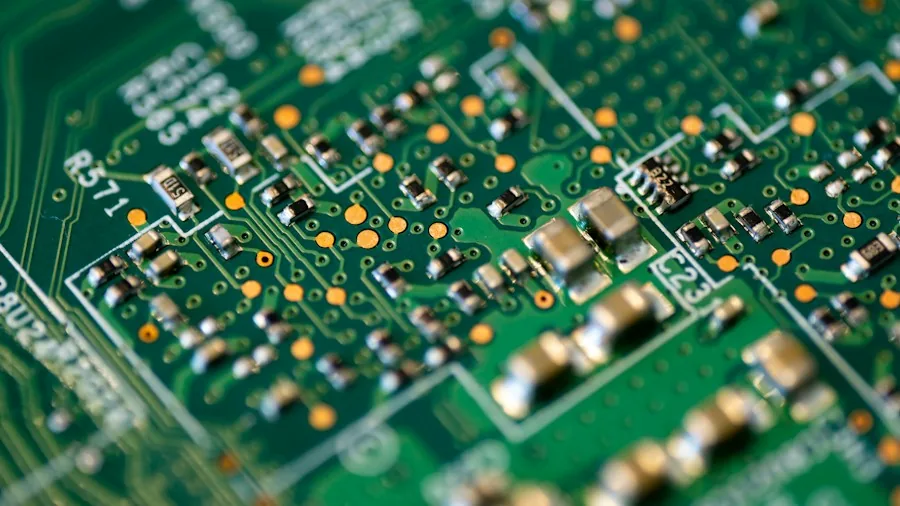
One subtle change that buyers may notice involves the trackpad dimensions. The PROLED model features a slightly smaller trackpad surface compared to the M6 generation. While this reduction is marginal, users transitioning from the previous generation should expect a minor adjustment period. For most users, the difference will be nearly imperceptible during daily workflow, though those with larger hands may have a preference for the earlier model’s trackpad size.
The Bottom Line for Shoppers
The PROLED MacBook Pro represents a solid evolution in Apple’s laptop lineup, with tangible improvements in display technology and a lighter overall design. However, buyers must weigh the benefits against the repairability limitations. The integration of touchscreen functionality and the illuminated logo creates a premium user experience, but these features also complicate repairs and increase potential service costs beyond the basic three-year AppleCare coverage period.
Understanding that the Thunderbolt and USB-C connectivity can be serviced but that internal storage, memory, and certain ports require logic board removal should factor into your purchasing decision. If you prioritize future upgradeability and easy self-maintenance, this generation may present compromises. Conversely, if you value the latest display technology and portability improvements and are willing to rely on Apple’s official service network, the PROLED MacBook Pro delivers compelling reasons to upgrade.
About the author
Ava is REMOVU's laptop writer, balancing speed, battery life, and build quality against price across the whole range. She helps readers find the sweet spot as each new chip shifts what a dollar buys.