Apple Watch Gesture Recognition Breakthrough: What Shoppers Need to Know
New research shows Apple Watch can recognize custom hand motions with impressive accuracy, transforming how you'll control your wearable.
 By Kristen Jennings
Updated November 4, 2026

Researchers from Northwestern University and Carnegie Mellon University have unveiled a major advancement in smartwatch technology that could transform how you interact with wearable devices. A new system called TransfHAR uses motion sensors already built into your Apple Watch to recognize and learn hand gestures in under a minute, opening up possibilities that go far beyond the limited two-finger tap and wrist flick commands available today.
How the Technology Works
The breakthrough relies on the accelerometer and gyroscope sensors that every modern smartwatch already contains. Rather than requiring special hardware or elaborate setup, TransfHAR learns to identify activities based on how your hands and wrist move. When fed proper motion data, the Apple Watch can recognize seven distinct new activities with 90% accuracy using just sixty seconds of recorded movement per activity.
The research involved participants selecting everyday gestures like stirring coffee, drawing shapes in the air, opening bottles, applying hand sanitizer, tying shoelaces, and filing nails. The system trained on approximately 2,760 hours of publicly available wrist movement data from 381 people before learning these new custom motions. What makes this genuinely impressive is the speed: the watch trains on new activities in less than a single second and makes predictions in roughly 24 milliseconds, all without needing to communicate with your phone or a remote server.
The Accuracy That Matters
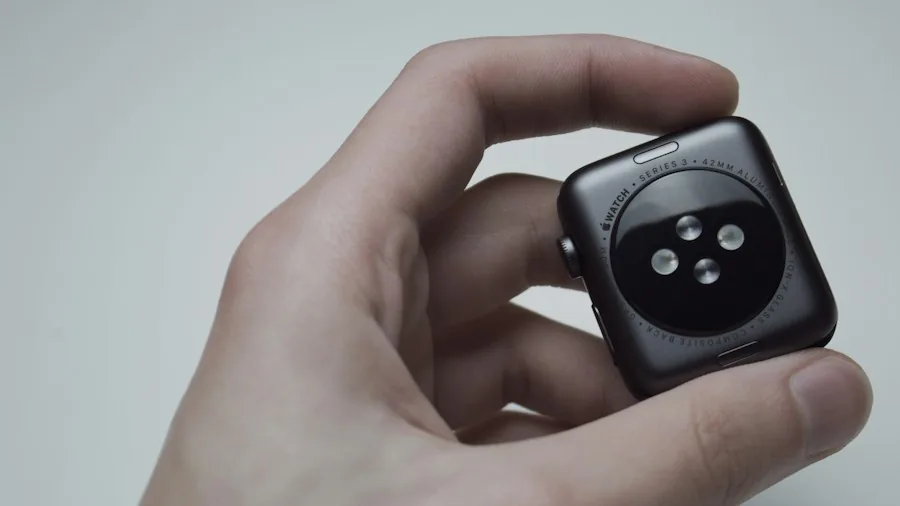
Even with minimal data, the accuracy holds strong. A single 2.56-second recording per activity delivers 75.2% balanced accuracy. Extending that to just thirteen seconds of data pushes accuracy to 86.7%, while fifty-one seconds reaches 89.3%. This progressive accuracy improvement means you don’t need to spend excessive time teaching your watch new commands. The researchers also tested pooling seventy different activities into a single model and maintained accuracy above 82%, demonstrating the system’s scalability.
Real-World Applications for Your Daily Life
Once this capability becomes available, the practical applications could be substantial. Imagine your Apple Watch recognizing when you’re stirring your morning coffee and automatically playing relaxing music, launching your caffeine tracking app, or pulling up coffee-related information. For fitness enthusiasts, the watch could detect when you’re performing bicep curls and automatically log the exercise, start a custom playlist, or connect to your health dashboard without you pressing anything.
Beyond personal use, smart home integration offers tremendous potential. Your watch could detect specific hand motions and automatically trigger lights, adjust thermostats, or activate other connected devices. Medical applications are equally promising: doctors could use gesture recognition to passively monitor symptoms like tremors or involuntary movements in patients, while manufacturers could employ the technology to track assembly steps and quality control in factory settings.
What This Means for Shoppers Now
Currently, this technology exists as research rather than a consumer feature. However, the involvement of a Google research scientist on the team and the use of Google’s LSM-2 wearable sensor model suggest this capability could expand beyond Apple Watch to Wear OS devices and other smartwatches. Since nearly every modern smartwatch contains the same accelerometer and gyroscope sensors, the underlying technology is broadly applicable across the industry.
For current Apple Watch owners, this research indicates what future updates could deliver. Apple has been steadily expanding watch capabilities, and adding custom gesture recognition would represent a significant leap forward. The company could eventually make training tools publicly available through watchOS updates, allowing users to create personalized gesture shortcuts without coding knowledge.
Current Limitations Worth Understanding
The system does struggle with certain types of movements. Activities involving small, sustained hand motions like writing, scrolling through your phone, or applying lotion prove difficult because the watch’s sensors perceive these as similar movements even though they’re distinctly different tasks. Multi-step routines like making a latte also present challenges, since distinguishing individual steps within a complex motion sequence remains problematic. Additionally, the study was relatively short and controlled, so real-world impact on battery life hasn’t been measured.
Looking Ahead
Despite these limitations, the core premise is genuinely exciting. The ability to train a smartwatch to recognize custom hand gestures in under a minute using existing hardware represents a meaningful step forward for wearable technology. When developers eventually gain access to these training tools, we could see creative applications emerge across fitness, home automation, productivity, and health monitoring.
For shoppers considering a new smartwatch purchase, this research signals that motion-sensing capabilities will become increasingly important. Future wearables may offer far more intelligent interaction methods than current models, making gesture recognition a feature worth watching as manufacturers implement these advancements. If you’re already considering an Apple Watch upgrade or your first smartwatch purchase, this emerging technology suggests the devices you buy today have untapped potential that could unlock through software updates in the months ahead.
About the author
Kristen writes about smartwatches for REMOVU, comparing features, battery life, and ecosystem fit. She helps readers tie together health tracking, notifications, and apps on the right watch.