Apple Smart Lock Partnership Announcement What Shoppers Need to Know
Apple partners with LG on smart locks and home devices. Here's what consumers need to understand about this major announcement.
 By Jeffrey Kuhn
Updated October 8, 2026
By Jeffrey Kuhn
Updated October 8, 2026
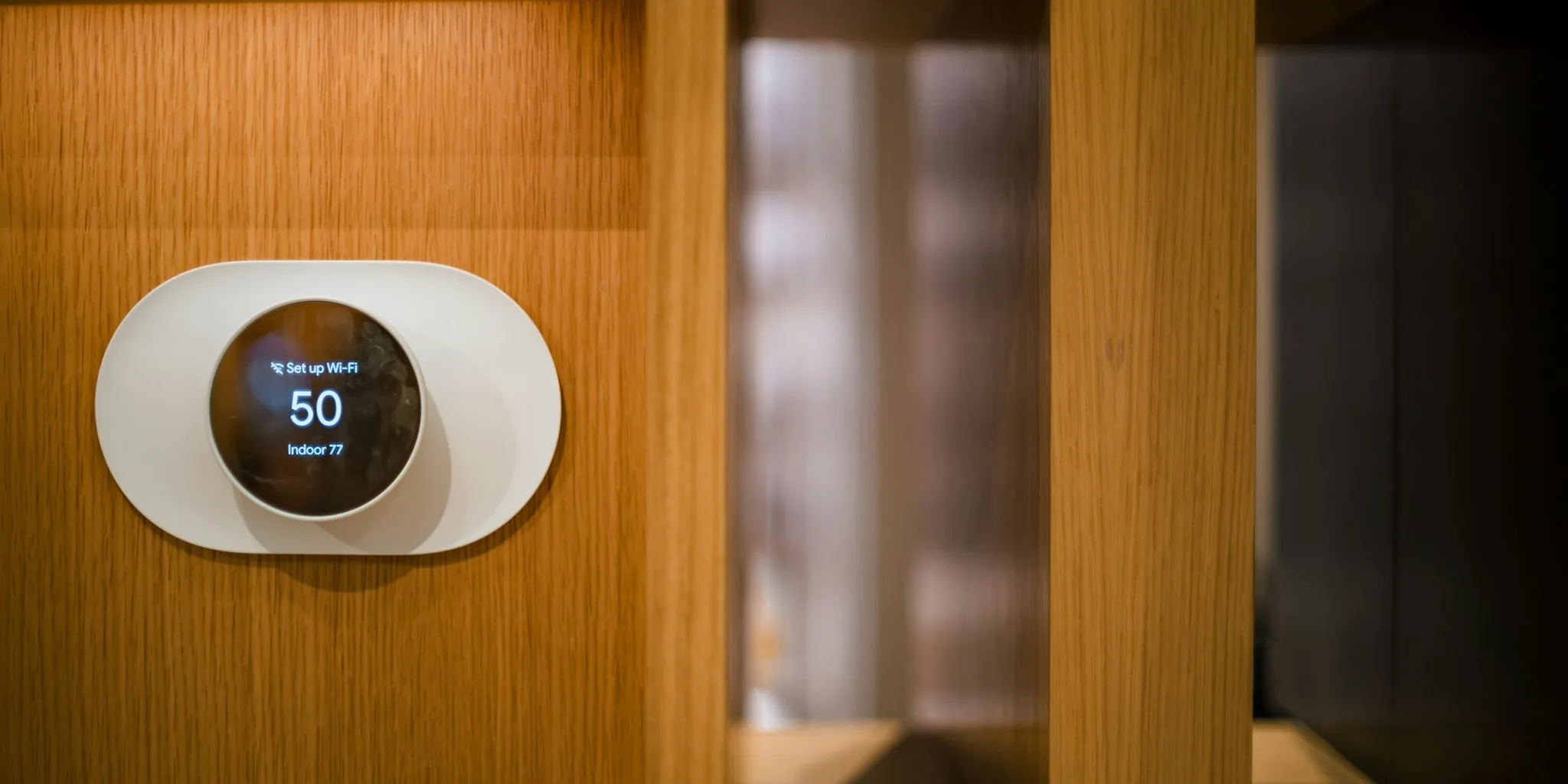
Apple is making a significant move into the smart home market with a partnership that extends far beyond previous efforts. According to recent reports from industry insiders, the technology giant is collaborating with LG to develop a suite of smart home devices, including a doorbell, a smart lock, and a thermostat. This marks an important shift in how Apple plans to compete in the connected home space, and consumers should understand what these developments mean for their homes and security choices.
What Apple is Launching
The announcement comes as part of Apple’s broader push into smart home technology. The company has been working toward creating a unified ecosystem for home control and automation, with these new LG-branded devices playing a central role. The smart lock will be one of three primary products in this initial rollout, joining a connected doorbell and smart thermostat. All three devices are designed to integrate seamlessly with Apple’s existing HomeKit platform, allowing users to control their homes through their iPhones, iPads, and Apple Watch devices.
Beyond the LG partnership, Apple is also preparing to unveil its first dedicated smart home hub, expected to launch in mid-October. This hub will serve as the central control point for an entire home automation system. The hub features a 6-inch display mounted on an adjustable metal arm that tilts forward and backward, combined with a round speaker base. The screen size and design draw inspiration from Apple’s existing product lines, blending aesthetics with functionality. It will include a built-in FaceID camera, allowing users to unlock and interact with the device through facial recognition. The display will remain plugged in via USB-C, similar to how many smart speakers operate today.
How This Benefits Smart Lock Buyers

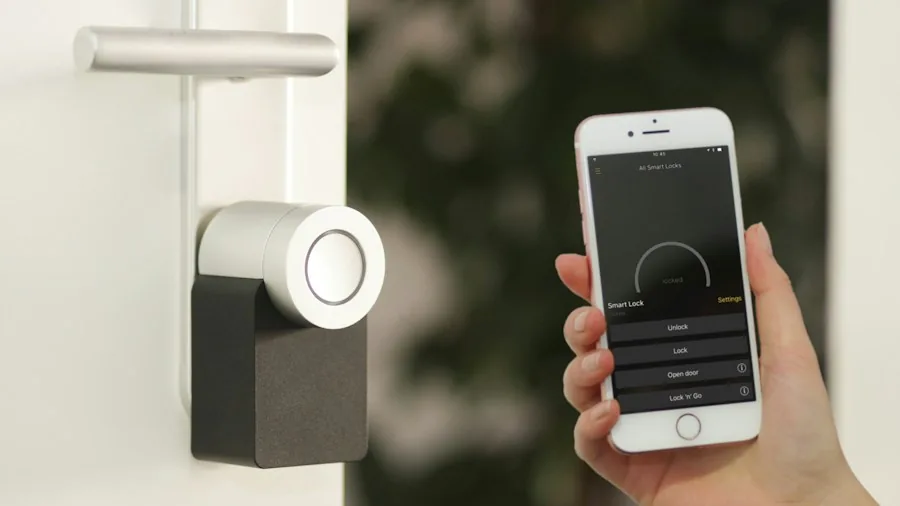
The introduction of smart locks through this Apple-LG partnership signals that the company is taking residential security seriously. For consumers already invested in Apple’s ecosystem, this represents a major convenience factor. HomeKit integration means that door locks, doorbells, and thermostats will all work within a single, unified interface. Users won’t need to juggle multiple apps or manage incompatible systems.
The smart lock component of this partnership is particularly noteworthy because it addresses one of the most critical entry points to a home. A connected lock allows homeowners to grant temporary access to guests, service providers, or family members without physically handing over keys. Activity logs provide visibility into who entered the home and when. For those comparing options, smart locks under $200 have become increasingly capable, but Apple’s offering will likely emphasize seamless HomeKit compatibility and deep integration with iOS devices, which may justify a different price point.
The Smart Home Hub Changes Everything
The real game-changer here is the smart home hub itself. This device will run on a new operating system built around Siri AI, Apple’s voice assistant. The interface will combine elements from the Apple Watch, iPad, and Apple TV, creating a cohesive experience across all Apple devices. The hub’s home screen will display standard Apple apps including Calendar, Messages, Photos, Notes, Reminders, and Music. When users launch an app, it expands into a full iPad-like interface, making it intuitive for anyone already familiar with Apple products.
The hub also uses artificial intelligence to recognize different family members and adjust the display based on their location within the room. This personalization means each person might see different calendar events, photos, news feeds, music playlists, and podcast recommendations. For families or households with multiple users, this capability eliminates the need to manually switch between profiles.
What This Means for Your Smart Home Strategy
If you’re planning a smart home investment, this announcement matters for several reasons. First, it confirms that Apple is committing substantial resources to this market category. The company’s reputation for quality and attention to detail suggests these devices will meet high standards. Second, the HomeKit platform continues to expand its device ecosystem, which increases the relevance of HomeKit for new shoppers. Third, the introduction of a dedicated smart home hub removes a barrier that has prevented some consumers from adopting HomeKit: the need for an iPad or HomePod to serve as a hub for remote access and automation.
For those evaluating smart locks with keypad options, this LG partnership may soon provide an alternative worth considering. Apple’s involvement typically means strong security standards and regular software updates, both critical for any device controlling home access.
Looking Ahead
The October 13 launch date marks the beginning of what appears to be a comprehensive smart home ecosystem from Apple. Whether the company announces additional products or provides more detailed pricing and availability information remains to be seen. What’s clear is that shoppers now have a credible, well-resourced new option for building a connected home that prioritizes security, convenience, and seamless integration with devices many consumers already own and trust. For those ready to invest in smart home technology, the coming weeks will bring more details that can inform your purchasing decisions.
About the author
Jeffrey covers smart displays and home hubs for REMOVU, weighing control, features, and value as the center of a connected home. He helps readers build routines that actually simplify daily life.