Apple Rolls Out MacOS Security Updates: What Shoppers Need to Know About the Latest Release Candidates
Apple speeds up macOS release schedule with Tahoe 26.7 and Sequoia 15.8 security updates. Here's what users should know.
 By Ava Herrera
Updated August 17, 2026
By Ava Herrera
Updated August 17, 2026
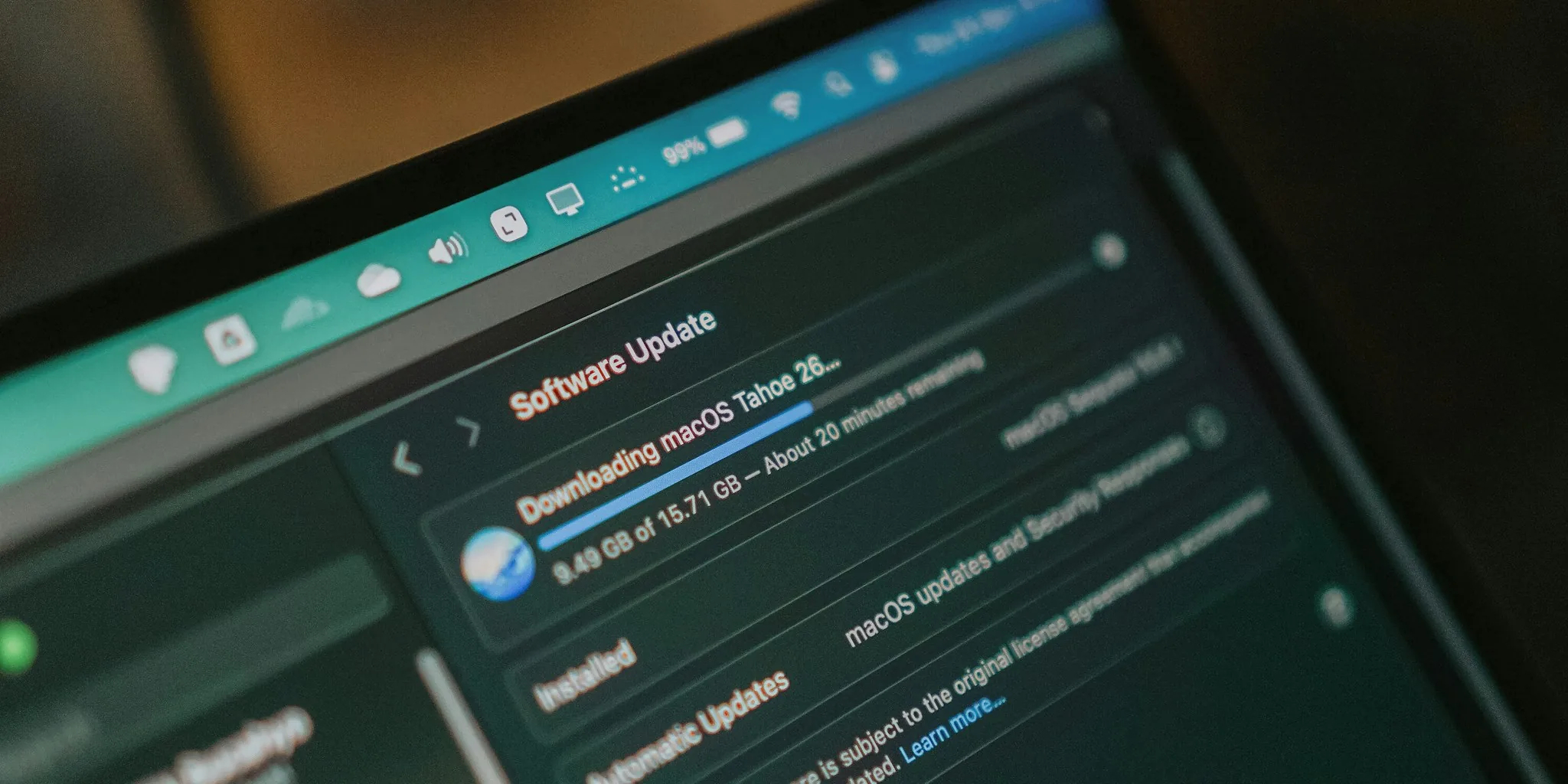
Apple has announced the release of two significant macOS updates available as Release Candidates: macOS Tahoe 26.7 and macOS Sequoia 15.8. These updates arrive as the company continues to accelerate its update schedule, prioritizing security improvements across its operating systems.
What’s New in These Updates
The two Release Candidates mark an important phase in Apple’s software deployment process. According to official release notes, both updates focus primarily on security enhancements rather than new features. MacOS Sequoia 15.8 is described as providing important security fixes recommended for all users, while macOS Tahoe 26.7 delivers security improvements for Mac systems overall.
While detailed information about specific vulnerabilities addressed in these updates remains limited, the company’s vague release notes are typical for security-focused patches. Apple tends to withhold technical details until after updates are publicly available, which is standard practice in the tech industry to prevent malicious actors from exploiting known weaknesses before users can apply fixes.
Why Apple Is Speeding Up Its Release Cycle
The accelerated pace of macOS updates reflects a broader shift in how Apple manages software security. The company has been using artificial intelligence tools to identify and address vulnerabilities more rapidly than in previous years. This means Mac users can expect a more frequent stream of updates going forward, each delivering critical security patches.
For those who use their computers for sensitive work or store important data, this increased update frequency is generally positive news. More frequent patches mean shorter windows of vulnerability exposure. However, it also means staying on top of available updates becomes increasingly important for maintaining system security.
The timing of these Release Candidates also reveals Apple’s development priorities. The company released macOS 26.6.2 alongside the first beta for iOS 26.6.1, then quickly pivoted to pushing out these newer versions. This pattern shows Apple is actively managing multiple operating system versions simultaneously, a complexity that underscores the company’s commitment to comprehensive security across its ecosystem.
What This Means for Current Mac Users
If you own a Mac running either Sequoia or Tahoe, these updates deserve your attention. While Release Candidates are technically pre-release versions, they represent the final stage before public availability. Most users who want to stay current with security improvements should expect these updates to roll out as stable releases within the coming weeks.
For macOS Tahoe users specifically, the update strategy differs slightly from Sequoia. Apple’s development focus has shifted toward macOS 27 Golden Gate, which is in beta testing and expected to arrive in a few weeks. This means the Tahoe 26.7 update will serve as a security maintenance release without introducing new features or functionality. Users should view it primarily as a stability and security enhancement rather than a feature upgrade.
The wider Apple ecosystem benefits from this attention to security. When devices across your digital life stay protected, your personal information and productivity remain safeguarded. Whether you’re managing work files, personal documents, or sensitive communications, timely security updates provide essential protection.
Preparing for the Updates
Users who want to stay ahead of the curve can monitor Apple’s official channels for when these Release Candidates transition to public releases. Those running beta versions of macOS already have access to the newer software. For standard users, the updates will likely arrive through the regular macOS update process within your System Preferences or System Settings, depending on which macOS version you’re running.
Before installing any major update, backing up your system remains a best practice. While Release Candidates undergo extensive internal evaluation before public release, unexpected compatibility issues with specific hardware or third-party software can occasionally occur. A backup ensures you can recover your data quickly if needed.
Apple’s pattern of releasing security-focused updates also suggests that staying current with patches has become non-negotiable for Mac users who value their digital security. The company’s use of AI tools to identify vulnerabilities means threats can be caught and patched faster than ever before, but only if you keep your system current. Staying informed about technology updates helps you make better decisions about your computing habits and security practices.
Looking Ahead
The release of these two updates signals Apple’s intention to maintain a tighter release cycle going forward. Mac users should anticipate more frequent update notifications and plan accordingly. This shift prioritizes security vigilance over feature-laden major releases, which ultimately benefits consumers who depend on their computers for work and personal use.
With macOS 27 Golden Gate approaching its official launch, the current updates serve as transitional releases that keep existing systems secure while Apple pushes development forward. For shoppers evaluating Mac purchases or considering upgrades, this commitment to regular security maintenance is an important factor in the total cost of ownership and long-term device reliability.
About the author
Ava is REMOVU's laptop writer, balancing speed, battery life, and build quality against price across the whole range. She helps readers find the sweet spot as each new chip shifts what a dollar buys.