Apple Revived MagSafe on MacBooks: What You Need to Know About the New Charging Standard
MagSafe 3 returns with faster charging, braided cables, and the safety feature users loved most.
 By Ava Herrera
Updated August 22, 2026
By Ava Herrera
Updated August 22, 2026
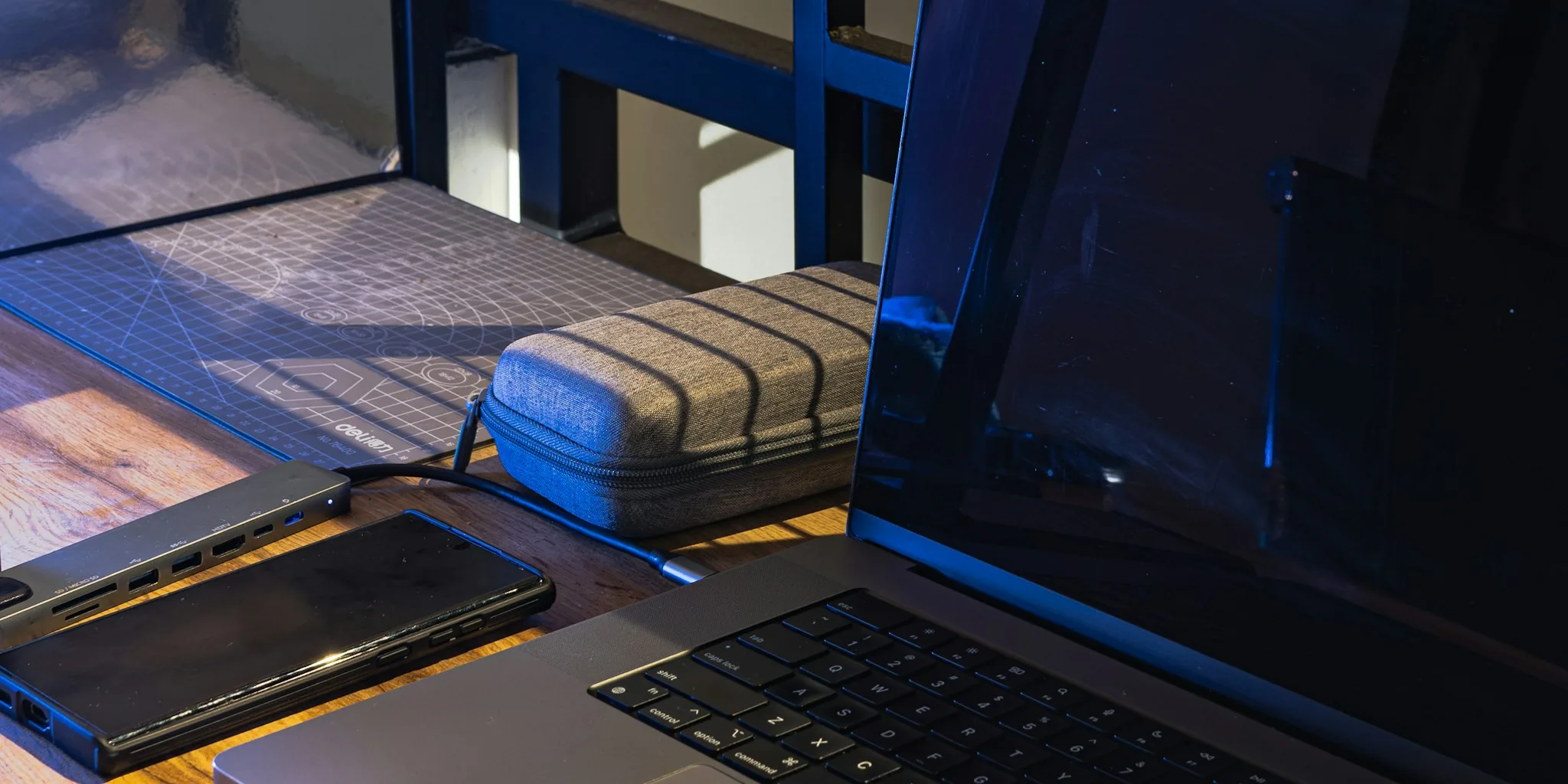
Apple has brought back one of its most beloved features: MagSafe charging for MacBooks. After a five-year absence, the magnetic connector technology made its return in 2021, and it now represents a significant upgrade over what shoppers experienced during the original era of MagSafe laptops. Understanding what changed and why it matters can help you decide whether newer MacBook models with this feature align with your needs.
The History of MagSafe on MacBooks
MagSafe originated in 2006 with Apple’s first Intel-based MacBook Pro, inspired by the safety mechanisms found on kitchen appliances like rice cookers and deep fryers. The concept was straightforward but brilliant: use magnets arranged with opposite polarities to create a connector that would detach safely if someone tripped over the power cable or yanked it accidentally. This prevented laptops from falling off tables or desks, addressing a real-world safety concern.
Apple refined the technology with MagSafe 2, introduced in 2012 alongside the MacBook Air and MacBook Pro with Retina Display. The redesigned connector was thinner to accommodate slimmer laptop designs. However, Apple discontinued MagSafe entirely in 2016 when it transitioned the MacBook Pro to Thunderbolt 3 and USB-C ports, citing the need for a more versatile, universal standard that other consumer electronics were also adopting.
Why Apple Switched Away, and Why It Came Back
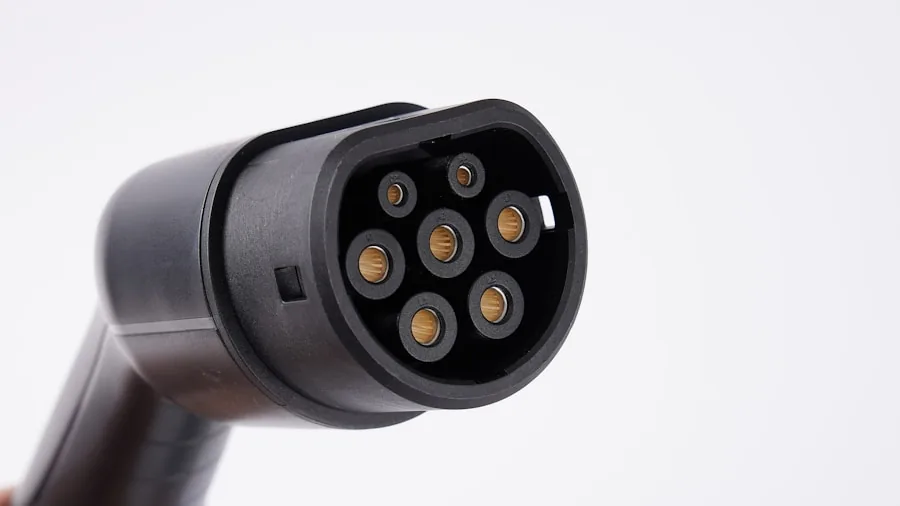
For nearly five years, MacBooks relied exclusively on USB-C for charging and data transfer. While this unified approach offered flexibility and streamlined the design, many users missed the magnetic safety feature and the convenience of quick cable attachment. The laptop community frequently expressed nostalgia for MagSafe, and those calls were heard.
In 2021, Apple announced the return of MagSafe as part of its larger ecosystem strategy. The technology had already been reimagined for the iPhone 12 series as a wireless charging standard and was expanding to AirPods and AirPods Pro cases. Bringing MagSafe back to MacBooks meant creating a cohesive accessory ecosystem across multiple devices, which appealed to users invested in Apple’s product lineup.
What’s Different About MagSafe 3
The third iteration of MagSafe represents a substantial evolution from its predecessors. The most obvious upgrade is speed: MagSafe 3 on the 16-inch MacBook Pro supports up to 140W of power, enabling fast charging that reaches 50 percent battery capacity in approximately 30 minutes. This is achieved through a USB-C to MagSafe 3 cable that connects to a GaN (Gallium Nitride) power adapter, replacing the older proprietary connector design.
Physical improvements matter just as much. Apple now includes braided cables with MagSafe 3, addressing a recurring complaint from the original era. Early MagSafe cables were prone to fraying around the connector, an issue so widespread that it led to a class action lawsuit in 2009. The braided construction is more durable, and Apple even offers matching colorways to complement your MacBook.
The connector itself has been streamlined into a slimmer T-shaped design that maintains the original safety feature: it still magnetically detaches if the cable is pulled. Additionally, MagSafe 3 coexists with standard USB-C charging on modern MacBooks, giving you flexibility in how you power your device. Modern laptops increasingly offer multiple charging options, and this dual-port approach represents that broader trend.
Building an Ecosystem
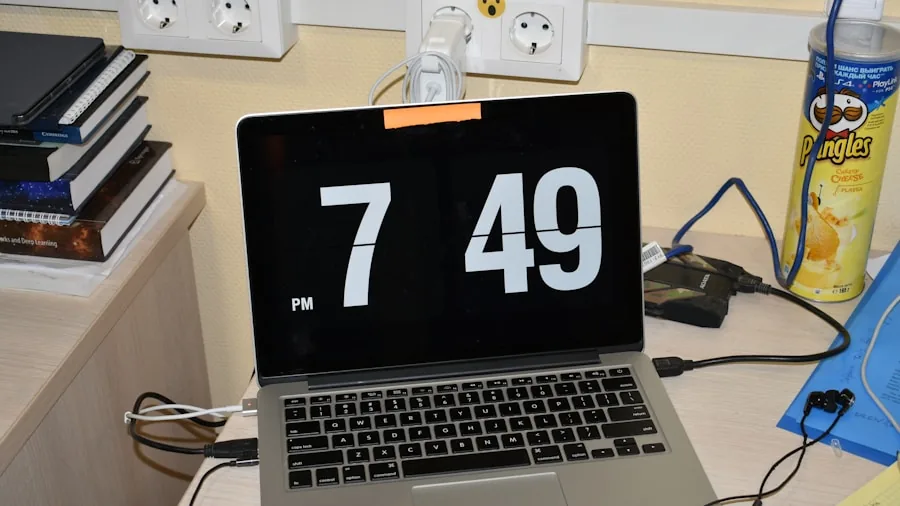
Apple’s revival of MagSafe extends beyond MacBooks. The company has developed an entire ecosystem of MagSafe accessories for iPhones and MacBooks alike. This interconnected approach means that if you own multiple Apple devices, you benefit from a unified charging philosophy. Docking stations and external hubs increasingly incorporate MagSafe connectors, and third-party manufacturers are building accessories around this standard.
For those who frequently move between locations, this ecosystem approach proves valuable. A single MagSafe cable can theoretically work across multiple devices with the appropriate adapters, reducing the clutter of proprietary chargers. While portable charging solutions remain essential for extended trips, having a unified charging standard at home and in the office simplifies cable management considerably.
What This Means for Shoppers
If you’re considering a MacBook purchase, MagSafe 3 availability is a meaningful advantage over older models. The combination of safety, speed, and durability addresses genuine user concerns that emerged during the years when MagSafe was absent. The braided cables are less likely to fail prematurely, and the faster charging capability reduces downtime.
However, MagSafe 3 is only available on newer MacBook models introduced in 2021 and later. If you own an older MacBook with USB-C only, upgrading to a newer model becomes more compelling if you value the magnetic connector safety feature and faster charging speeds. For new buyers, MagSafe 3 capability should factor into your decision-making process alongside processor power, RAM, and display specifications.
Apple’s decision to resurrect MagSafe represents a course correction that acknowledges user feedback and technological refinement. The improvements made between the original design and MagSafe 3 demonstrate that the company learned from both the strengths and weaknesses of its predecessor, resulting in a charging solution that feels more mature and genuinely useful for daily MacBook owners.
About the author
Ava is REMOVU's laptop writer, balancing speed, battery life, and build quality against price across the whole range. She helps readers find the sweet spot as each new chip shifts what a dollar buys.