Apple Releases Firmware Update for 140W USB-C Power Adapter: What Shoppers Need to Know
Apple pushes version 1.4.90 update to its 140W USB-C adapter, rolling out automatically. Here's what it means.
 By Ava Herrera
Updated September 8, 2026
By Ava Herrera
Updated September 8, 2026
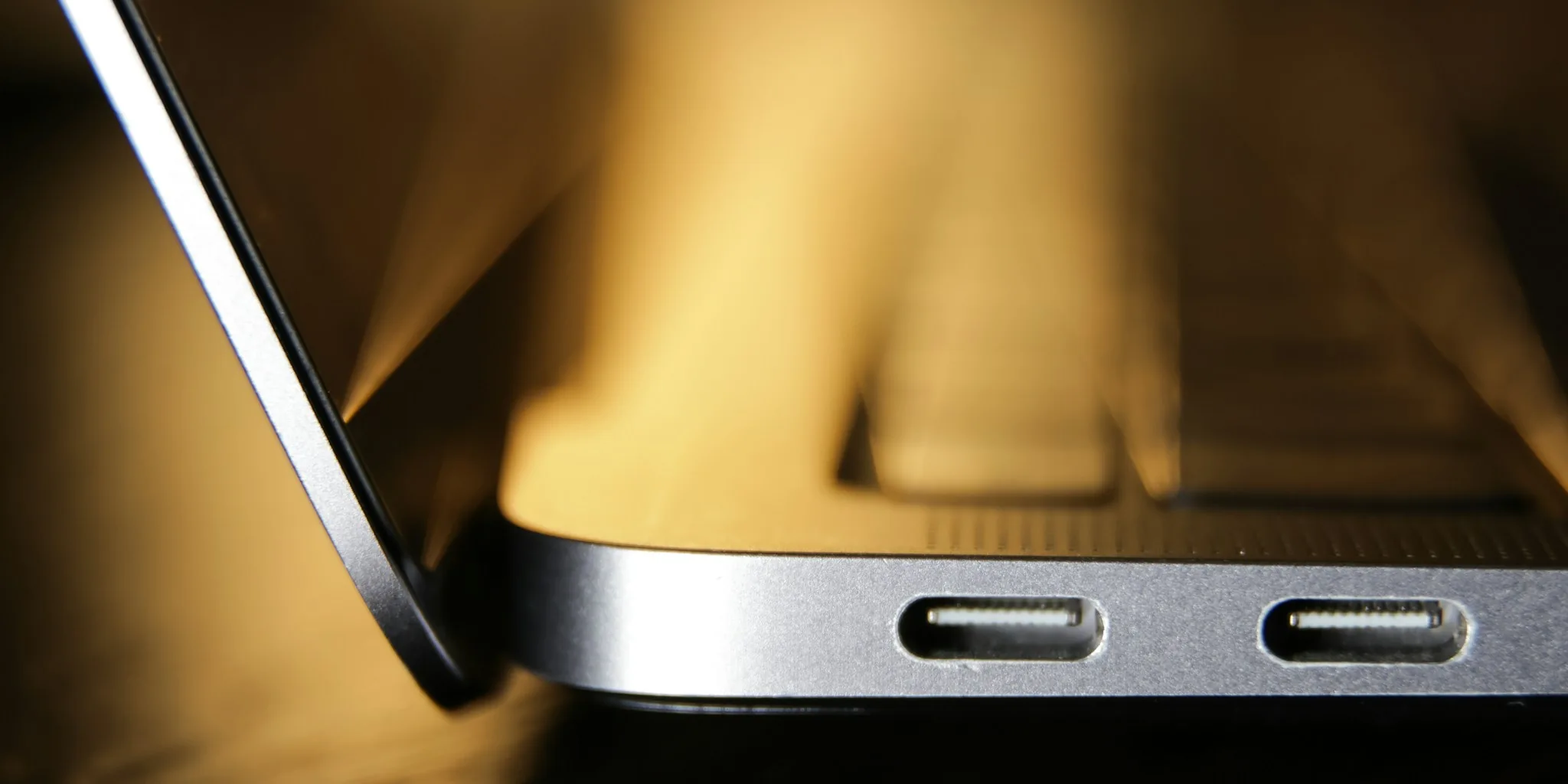
Apple has pushed out a new firmware update for its 140W USB-C power adapter, bringing the software to version 1.4.90. While the company has not disclosed specific details about what improvements or fixes this update delivers, the release marks another step in how modern charging hardware evolves beyond its initial purchase.
How the Update Works
Unlike traditional software updates that require manual installation, this power adapter firmware update deploys automatically in the background. When you plug in your 140W USB-C adapter and connect it to a Mac or compatible device, the update will install over time without any action needed from you. Apple provides no way to manually trigger or monitor the installation process, meaning users simply benefit from the improvements as they charge.
This automatic delivery system differs significantly from how hardware was managed in earlier years. Previously, firmware for power supplies and chargers was finalized during manufacturing, meaning any flaws or inefficiencies remained locked in for the device’s lifetime. The shift to updatable firmware gives manufacturers like Apple the ability to address performance issues, compatibility problems, or safety concerns after devices reach customers.
What This Means for Your Devices
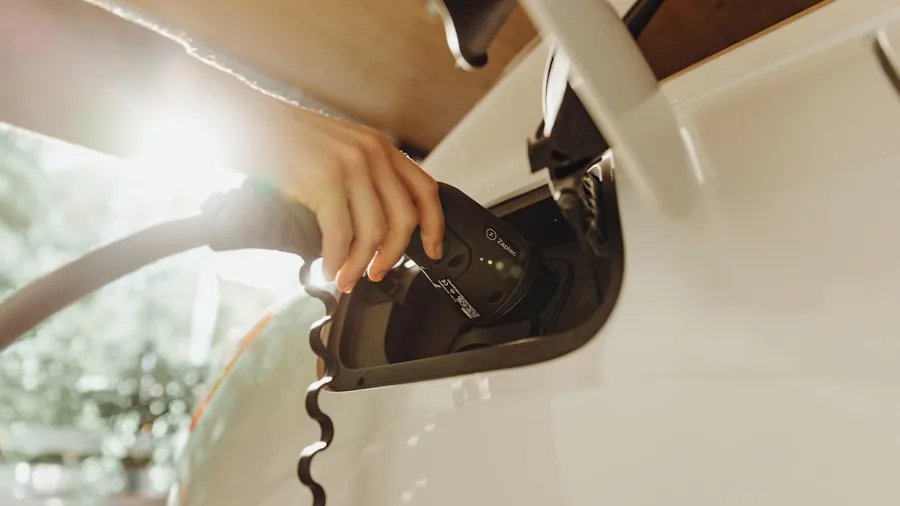
For owners of compatible Macs and other devices that work with the 140W USB-C adapter, this update could introduce stability improvements, better power delivery efficiency, or enhanced compatibility with newer devices. Since Apple keeps the release notes private, consumers have no way to know the exact nature of the changes. This approach differs from how software companies typically operate, where detailed changelog information helps users understand what has changed.
The 140W USB-C adapter represents Apple’s high-performance charging solution, designed primarily for MacBook Pro models and other demanding devices that benefit from rapid charging speeds. If you own one of these adapters, the update will install automatically, so you don’t need to worry about manual updates or missing out on potential improvements.
The Broader Picture of Smart Hardware
Apple’s decision to implement firmware updates on its power adapters reflects a larger industry trend: even simple-seeming hardware components are becoming intelligent devices that require ongoing maintenance. From USB-C docks and hubs to charging systems, manufacturers are embedding processors and updatable software into products that consumers traditionally viewed as static hardware.
This evolution has both benefits and drawbacks. On the positive side, it allows companies to resolve issues after release without forcing costly recalls or leaving customers stuck with defective units. If a power adapter develops a charging protocol problem or fails to work optimally with a new device generation, a firmware update can fix it remotely. That’s far more convenient than requiring customers to replace their hardware.
On the other hand, some consumers argue that the shift toward software-based solutions may reduce the emphasis on getting hardware right the first time. When chargers shipped with fixed firmware, manufacturers faced strong pressure to ensure quality during production, knowing that mistakes could not be fixed later. The ability to push updates later might theoretically reduce that initial quality focus, though companies like Apple maintain rigorous design standards regardless.
What Buyers Should Consider
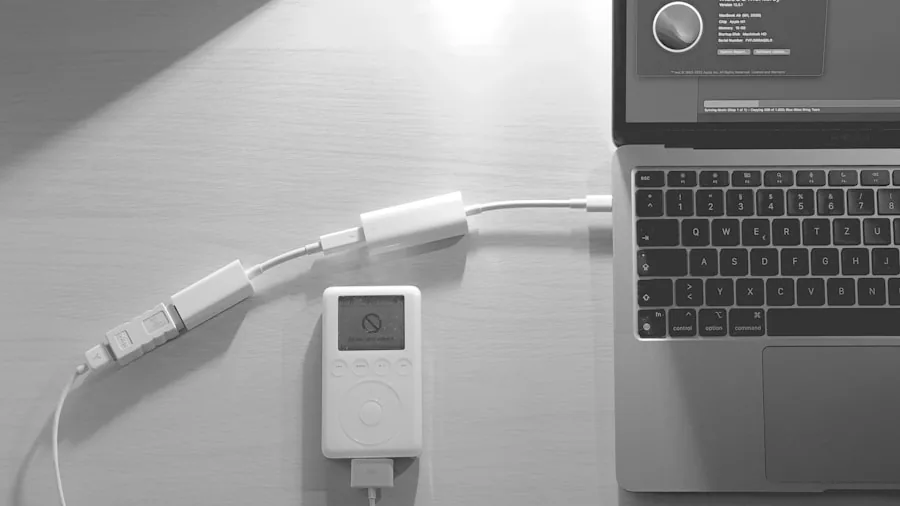
If you’re in the market for a premium USB-C power solution or already own Apple’s 140W adapter, understand that firmware updates are now part of the ownership experience. These updates will occur silently, without notifications or prompts. For this reason, you might occasionally see slightly different behavior from your charger as updates roll out, though these changes should be transparent and beneficial.</n
The automatic update mechanism means you don’t bear the responsibility of seeking out new versions or worrying that your charger is running outdated firmware. The process is entirely passive on your end, which aligns with how modern consumer electronics increasingly operate. Just like your smartphone updates in the background, so does your power adapter.
For anyone purchasing a new Mac or considering an upgrade to a high-wattage USB-C charging setup, compatibility with the latest firmware matters less than it might have in previous years. Apple will push improvements to your adapter whether it was manufactured last month or two years ago, ensuring that newer devices and software releases work seamlessly with your charging hardware.
Looking Forward
The continued evolution of USB-C charging technology means that power adapters, docks, and related accessories will likely become even more feature-rich over time. As devices demand more power and as safety standards evolve, firmware updates will play an increasingly important role in maintaining security and performance. Apple’s approach to silently deploying these updates keeps the user experience simple while ensuring that your charging infrastructure stays current.
When shopping for USB-C chargers and power solutions in the future, consider the manufacturer’s commitment to long-term support. Companies that actively update their hardware demonstrate a dedication to customer satisfaction beyond the initial sale. Apple’s track record with power adapter updates suggests that owners of current and recent hardware can expect ongoing improvements without additional cost or effort.
About the author
Ava is REMOVU's laptop writer, balancing speed, battery life, and build quality against price across the whole range. She helps readers find the sweet spot as each new chip shifts what a dollar buys.