Apple Maps Ads Are Rolling Out This Summer What Buyers Should Know
Ads are coming to Apple Maps search results. Here's what shoppers need to know about sponsored content.
 By Ava Herrera
Updated August 14, 2026
By Ava Herrera
Updated August 14, 2026

Apple is bringing advertisements to Apple Maps, fundamentally changing how the app delivers information to users. Starting in summer 2026, ads are rolling out across the United States and Canada, marking a significant shift in how businesses can reach consumers through the navigation platform. For shoppers, this move means search results will begin to look different, and understanding what to expect helps you navigate the changes smoothly.
How the Advertising Rollout Works
The advertising initiative officially launched for business owners on August 14, 2026, when companies in the U.S. and Canada became able to purchase ad placements directly. Apple is offering an introductory promotion that gives early-adopting advertisers a 15 percent credit on their advertising expenses, allowing them to spend up to $1,000 monthly during the first twelve months at a reduced effective rate. This incentive encourages businesses to establish a presence early in the platform’s monetization phase.
Although the purchasing system is active, the actual ads remain invisible to regular app users for now. Apple previously confirmed that advertisements would become visible sometime during the summer of 2026, and the rollout appears imminent. When they do appear, users will encounter sponsored content in two primary locations: at the very top of search results pages and within a new section labeled “Suggested Places.” This placement strategy means ads will be among the first things shoppers see when searching for local businesses or attractions.
What This Means for Your Shopping Experience

The introduction of paid advertisements to Apple Maps changes the organic search landscape within the app. Historically, when you searched for a restaurant, gas station, or retail location, results reflected relevance and proximity alone. With advertising rolling out, some results will now be determined partly by advertising spend. Businesses paying for prominent placement will appear higher in your search results, even if other nearby options might be equally relevant or closer to your location.
This shift mirrors how Google Search operates, where paid ads appear above organic results. Shoppers should understand that the top results in Apple Maps may represent paying advertisers rather than the nearest or most-reviewed options. For consumers, this means you may need to scroll past sponsored content to find alternatives that might better suit your needs. Being aware of this distinction helps you make more informed decisions when searching for services or products.
Apple has established restrictions on the types of businesses allowed to advertise within the app. Certain categories, including home services such as plumbing, electrical work, locksmith services, and HVAC contractors, are prohibited from purchasing ads. This limitation means some service industries will not be able to leverage the new advertising system, protecting users from an overwhelming flood of home-service promotions.
Why Apple Is Making This Change
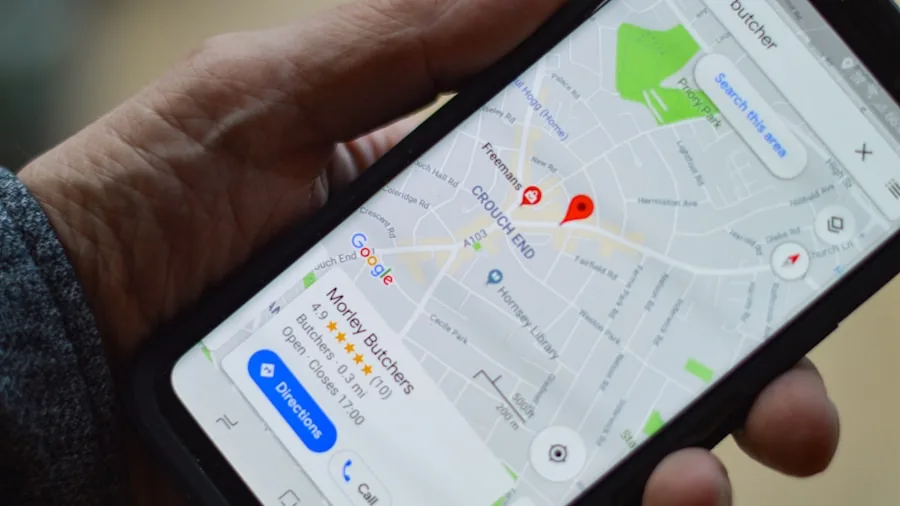
Apple Maps has long competed with Google Maps for user attention and location data. By introducing advertising, Apple creates a new revenue stream while simultaneously improving the competitive position of its mapping service. The move acknowledges that location-based advertising represents enormous commercial value and that businesses want direct pathways to reach consumers actively searching for their services.
For many shoppers, security and privacy when managing personal location data remains a concern. Apple has historically differentiated itself by emphasizing privacy protections compared to competitors. How the company balances its new advertising business model with user privacy expectations will shape consumer confidence in the platform going forward.
Preparing for the Changes Ahead
When ads begin rolling out to your Apple Maps experience, approach search results with awareness that paid placements may appear alongside organic results. Developing the habit of reviewing multiple results rather than automatically selecting the first option helps you find businesses that genuinely match your preferences and location needs. Like any search platform introducing advertising, becoming familiar with the new layout takes time, but the underlying functionality of the app remains unchanged.
Users who prefer to minimize exposure to advertising might explore Apple Maps settings to understand what customization options become available. Similarly, understanding that business reviews and ratings still reflect genuine customer feedback means you can still use these signals to evaluate quality, even when ads are rolling out prominently. Mobile navigation products like portable devices with extended battery life continue to pair well with Apple Maps for outdoor activities where connectivity matters.
This advertising expansion also raises questions about data collection and targeting. Businesses purchasing ads may gain insights into search patterns and user behavior. Remaining informed about how Apple handles this data and what privacy controls users retain becomes increasingly important as the service evolves. For those concerned about minimizing ad targeting, reviewing your Apple account privacy settings ensures you maintain appropriate control over your data sharing preferences.
The introduction of ads rolling out across Apple Maps represents a natural evolution for the platform as Apple seeks additional revenue sources. By understanding how these changes function and remaining intentional about your search behavior, you can continue using the app effectively while being mindful of the commercial considerations now shaping its results. As the rollout progresses, staying informed helps you adapt to the changing landscape of location-based information services.
About the author
Ava is REMOVU's laptop writer, balancing speed, battery life, and build quality against price across the whole range. She helps readers find the sweet spot as each new chip shifts what a dollar buys.