Apple Announces A20 Pro Chip With 2nm Design: What Shoppers Should Know
Apple's new A20 Pro brings 2nm technology and major performance gains to three iPhone models. Here's what buyers should know.
 By Eleanor Garcia
Updated September 10, 2026
By Eleanor Garcia
Updated September 10, 2026
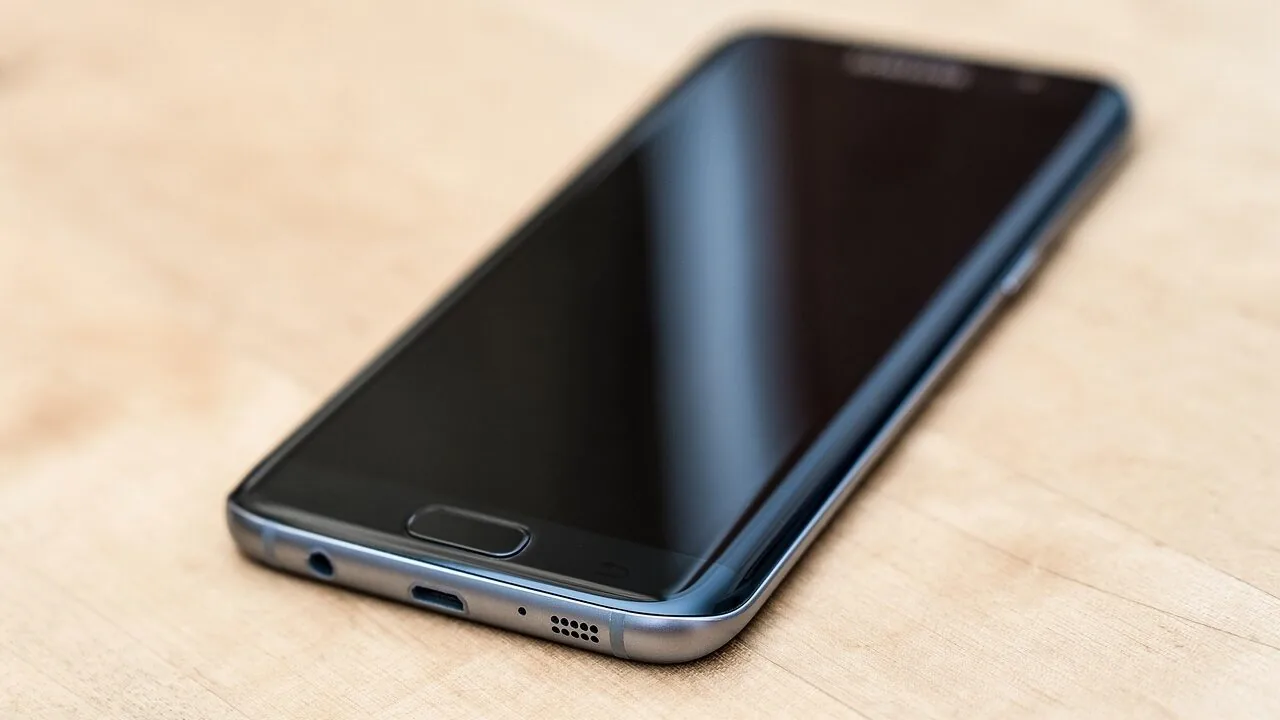
Apple Announces A20 Pro Chip With 2nm Design: What Shoppers Should Know
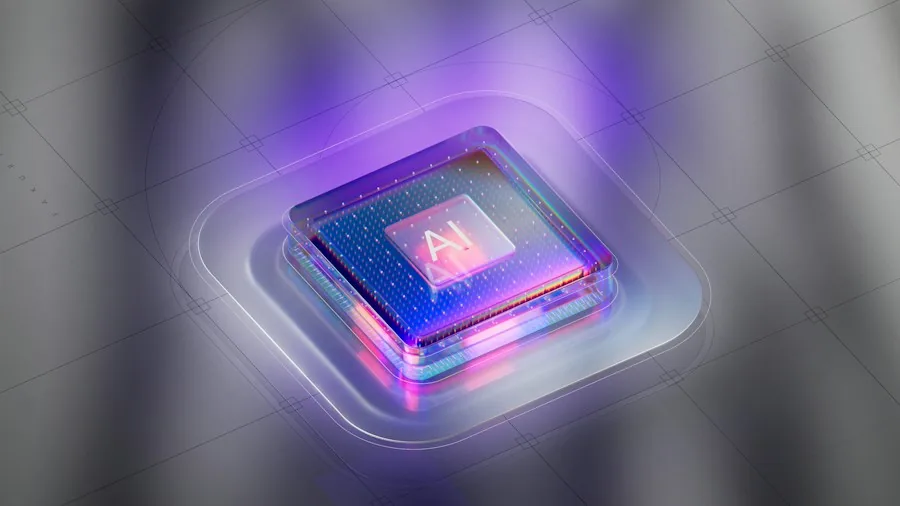
Apple unveiled its next generation processor at the “Surprise and Shine” event, introducing the A20 Pro chip to power three new iPhone models: the iPhone Duo, iPhone 18 Pro, and iPhone 18 Pro Max. This processor represents a significant leap forward in mobile computing, built on cutting edge 2nm technology that will reshape what you can expect from your next iPhone purchase.
What Makes the A20 Pro Different
The A20 Pro marks Apple’s first chip constructed on 2nm architecture, meaning transistors are now smaller and more densely packed than ever before. This fundamental shift in manufacturing allows Apple to fit more processing power into the same physical space while consuming less energy. For shoppers, this translates to devices that perform more efficiently and maintain battery life during demanding tasks.
The chip features six CPU cores, including two high performance supercores that operate 20% faster than previous generations. Four efficiency cores handle lighter workloads, automatically managing power consumption based on what you’re doing. All cores integrate neural accelerators specifically designed for artificial intelligence tasks that require instant responsiveness.
Graphics and AI Performance Upgrades
The GPU now includes seven cores, delivering up to a 40% performance increase over earlier versions. This matters if you enjoy mobile gaming, video editing, or apps that rely on graphics intensive processing. The improvement means smoother frame rates and more realistic visuals without stuttering or lag.
Apple also overhauled its Neural Engine, the dedicated AI processor built into the chip. The new version performs 8 bit floating point calculations twice as fast as before, enabling advanced artificial intelligence features including running large language models directly on your phone. Apple announces regular updates to its ecosystem services, and this chip infrastructure supports those innovations without requiring constant cloud processing.
The Neural Engine itself doubled, now containing 32 cores for twice the overall compute power. For practical purposes, this means AI powered features will run faster and more smoothly, whether that’s advanced photo processing, real time translation, or intelligent voice commands.
Memory and Thermal Improvements
Apple increased memory bandwidth by 50%, achieved through what the company describes as the widest memory interface ever placed in an iPhone. Bandwidth refers to how quickly data moves between the processor and memory, so this upgrade means your phone handles multiple apps simultaneously with less delay.
The internal layout changed significantly through a new packaging design borrowed from Apple’s desktop M series chips. The memory now sits directly alongside the silicon die, separate from the main processor’s thermal zone. This architecture allows silicon to connect directly to a next generation vapor chamber, the cooling system inside the phone. Better cooling means sustained performance during intensive activities without the processor slowing down due to heat.
Special Features for the iPhone Duo
Since the iPhone Duo features two displays, Apple engineered a custom display engine into the A20 Pro that manages both screens simultaneously. This engine enables smooth transitions between displays and blends pixels around the under display camera area, maintaining visual consistency across both screens. Apple continues innovating across its product lineup with specialized features tailored to each device’s unique design.
What This Means for Buyers
If you’re considering upgrading to an iPhone 18 Pro, iPhone 18 Pro Max, or the new iPhone Duo, the A20 Pro chip delivers tangible benefits beyond raw speed numbers. Apps launch faster, multitasking feels smoother, and battery life extends further because the chip accomplishes more work per unit of energy.
For photography enthusiasts, the enhanced GPU and Neural Engine enable real time computational photography at higher quality levels. Video creators gain faster rendering and export times. Gamers experience better graphics fidelity and higher frame rates. Even casual users benefit from improved responsiveness when scrolling through social media or streaming content.
The 2nm manufacturing process also signals Apple’s continued commitment to efficiency. Smaller transistors create less waste heat, reducing the thermal load on your device’s cooling systems. Over time, this can help preserve battery health since heat is one of the primary factors degrading lithium ion batteries.
When You’ll See These Devices
The iPhone 18 Pro and iPhone 18 Pro Max, along with the innovative dual display iPhone Duo, will arrive in stores with the A20 Pro chip as the standard processor. Apple announces new hardware regularly with updated processing technology that shapes the mobile landscape.
Whether you prioritize photography, gaming, productivity, or everyday performance, the A20 Pro chip represents a meaningful step forward in what mobile devices can accomplish. The 2nm architecture, enhanced memory bandwidth, improved cooling, and dedicated AI capabilities create a more capable phone than previous generations could offer.
About the author
Eleanor covers smartphones for REMOVU, balancing cameras, battery life, and software support against price. She helps readers find the best value as the field shifts with every release.