Apple Announces App Store Price Changes in Four Countries What Shoppers Should Know
Five countries see app pricing updates in August and September. Here's what changes and when.
 By Ava Herrera
Updated August 28, 2026
By Ava Herrera
Updated August 28, 2026

What Just Happened
Apple has confirmed updates to how it prices applications and in-app purchases across multiple international markets. The company announced two separate implementation waves, starting immediately and continuing into mid-September. The changes affect consumers and developers in Morocco, the Republic of the Congo, Tanzania, Israel, and Indonesia, reflecting shifts in tax requirements and currency valuations in these regions.
The first phase took effect on August 27 and adjusts developer financial proceeds to reflect newly introduced or modified tax regulations. Morocco and the Republic of the Congo are implementing value-added tax (VAT) systems at 20 percent and 18 percent respectively. Tanzania is raising its digital sales tax rate from 2 percent to 3 percent. These adjustments determine how much money developers retain after transactions, but they may also influence the prices consumers ultimately see for apps and features.
The second phase begins September 14 and will recalibrate app pricing in Israel, Indonesia, Morocco, and the Republic of the Congo. Apple clarifies that if a developer has designated one of these countries as their primary pricing base, the cost on that regional storefront remains static. However, pricing adjusts on other storefronts to maintain consistency with the developer’s chosen baseline. This means some apps may become more expensive or less expensive depending on your location.
How This Affects You as a Shopper
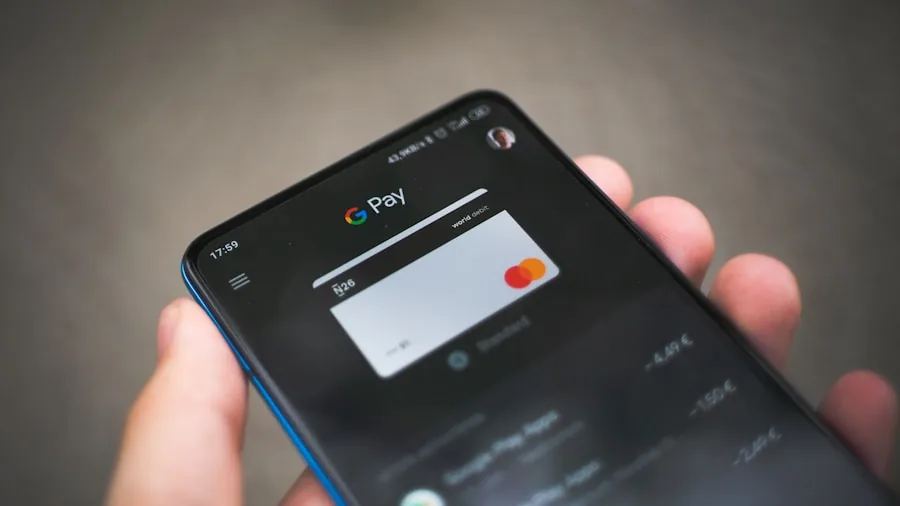
If you regularly download apps or purchase in-app features, these updates may impact what you pay. The direction and size of price shifts depend on which country serves as your app store region and which developer manages the app you want.
In regions where new taxes are being introduced, app prices could increase since developers often pass tax obligations to consumers. Conversely, in markets where currency has weakened against the dollar, prices might decrease. The specifics remain unavailable in Apple’s official announcement, but the company notes that developers already have access to recalculated pricing through Apple’s App Store Connect management system.
One protective measure applies to recurring charges: prices for auto-renewable subscriptions will not change as a result of these updates. If you subscribe to apps through recurring monthly or annual plans, your billing remains stable through these adjustments. Additionally, developers who manually set prices rather than relying on Apple’s automatic equalization tool retain full control and can choose whether to implement any changes at all.
Understanding the Bigger Picture
Apple frames these adjustments as routine operations that account for evolving tax laws and shifts in foreign currency values. The company makes similar modifications regularly to keep pricing fair and compliant across its global storefront ecosystem. These moves allow developers to operate legally in new tax environments while maintaining reasonable price parity across regions.
For context on how Apple manages international commerce, Apple Announces Sneaky Sasquatch Updates and Merchandise showed how the company scales product launches across multiple markets simultaneously. Developers benefit from Apple’s infrastructure that automates these global pricing considerations.
The timing of the September 14 implementation gives developers two weeks to prepare users in affected markets. Some may choose to communicate pricing changes directly to their customer base, while others may allow the updates to take effect silently within the App Store.
What You Should Do
Monitor your app purchases if you use services from these five countries or have billing addresses there. Before the September 14 deadline, review any subscriptions you maintain, as the timing coincides with the broader pricing adjustment window. While most individual apps probably won’t shift dramatically, cumulative cost changes across multiple subscriptions could affect your monthly technology budget.
If you notice unexpected price increases after mid-September on apps downloaded from these regions, the cause likely traces to these announced adjustments rather than arbitrary developer decisions. Understanding the regulatory context helps clarify why costs change.
For developers and app creators, the message is clear: update your pricing strategy within the next few weeks if you plan to take advantage of these new currency and tax frameworks. Apple Announces New Mac Mini with M6 and M5 Pro Chips demonstrated Apple’s commitment to transparent communication about major shifts affecting users and creators alike.
These price adjustments represent Apple’s effort to balance compliance with local regulations while maintaining equitable access to its app ecosystem. As a consumer, staying informed about when and where these changes occur helps you anticipate any shifts to your regular app spending.
About the author
Ava is REMOVU's laptop writer, balancing speed, battery life, and build quality against price across the whole range. She helps readers find the sweet spot as each new chip shifts what a dollar buys.